


Culture
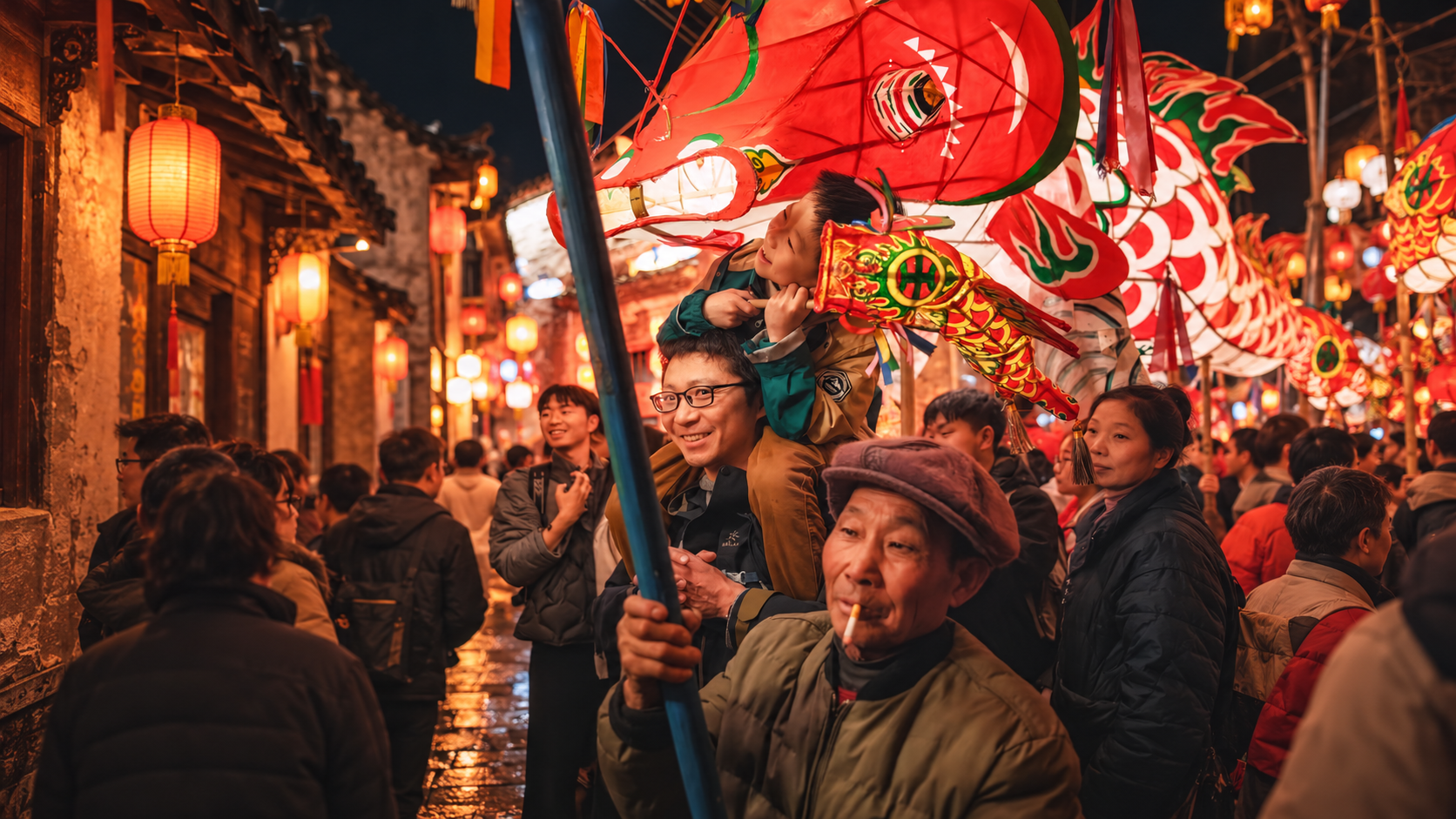
Thousands of years are not a number, they are daily life. Look at the Terracotta Warriors and Horses in Xi'an, chat with an old man in an alley in Beijing, and watch a bonfire party in a village in Yunnan. Every cultural site we arrange has storytellers on site.
Beyond the scenery,
Get closer to daily life in China.
From the lights under the eaves to listening to the rain in the courtyard, from the years in ancient buildings to the encounters between people. Follow the four images to understand the humanistic fragments worth stopping during the journey.
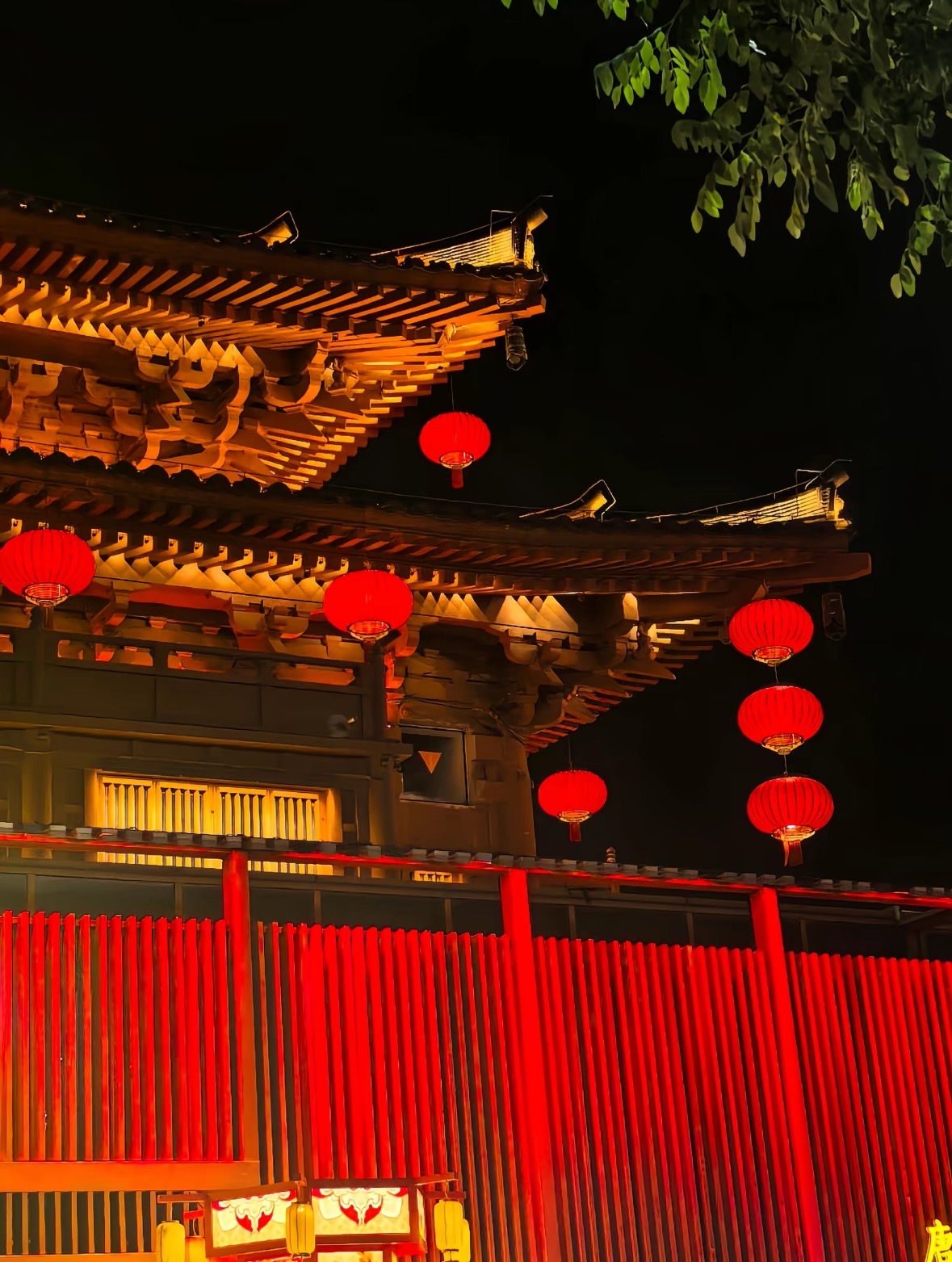
The lights are on,
The story has warmth.
The cornices, wooden windows, and red lanterns are the Chinese colors that can be seen at a glance during the journey. Getting closer, the excitement of festivals, the smell of food in the streets and the gathering of neighbors make life outside the building slowly unfold.
The reunions during the Spring Festival, the lights of the Lantern Festival, and the customs of the Dragon Boat Festival carry people's expectations for family ties and health. Slow down, walk around an old street, get a taste of the local flavor, and listen to the locals talk about how these customs continue to this day.
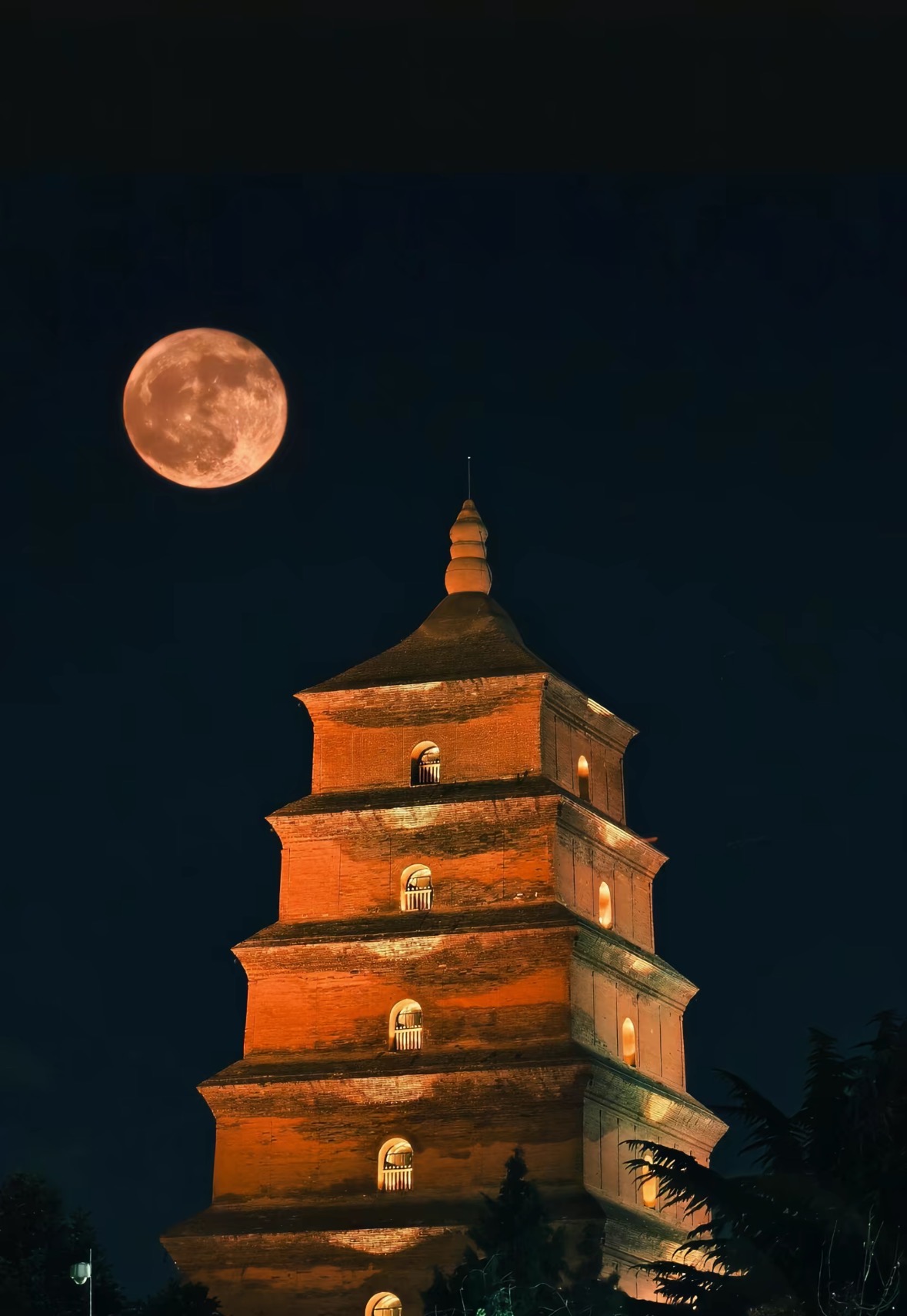
and thousands of years,
Meet quietly.
An ancient tower, a section of city wall, and a ruins are all the entrances to understanding a city. The texture of bricks and stones, the proportions of buildings and the order of space record the aesthetics of different eras and also leave traces of people’s lives.
From Xi'an's historical sites to Beijing's palaces and alleys, cultural travel is more than just seeing ancient buildings. Leave some time for explanation and observation to understand why they were built, how they have passed through the years, and how they accompany today's cities.
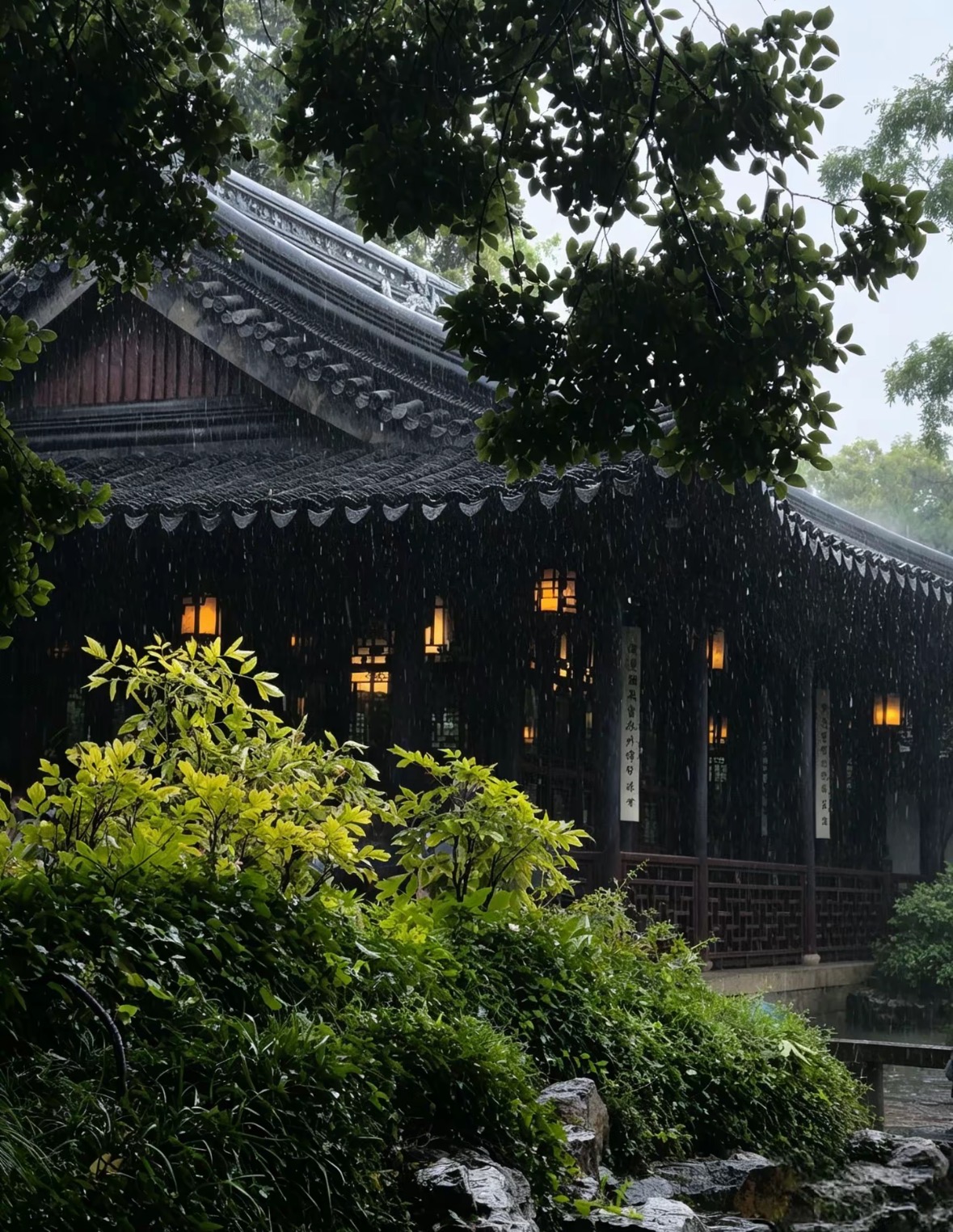
A courtyard,
It hides the sense of proportion in life.
The rain falls on the eaves, and the shadows of trees reflect on the windows. The beauty of traditional Chinese architecture lies not only in the beams, columns and roofs, but also in the way people interact with nature: a window that borrows the scenery, a zigzag corridor, and a courtyard left with vegetation are all worth a closer look.
The garden uses rocks, flowing water, flowers and trees to create layers, while the residences carry the memories of family and neighborhood. Walk into these spaces and feel how the architecture responds to climate, topography and daily needs, making a walk a process of understanding local life.
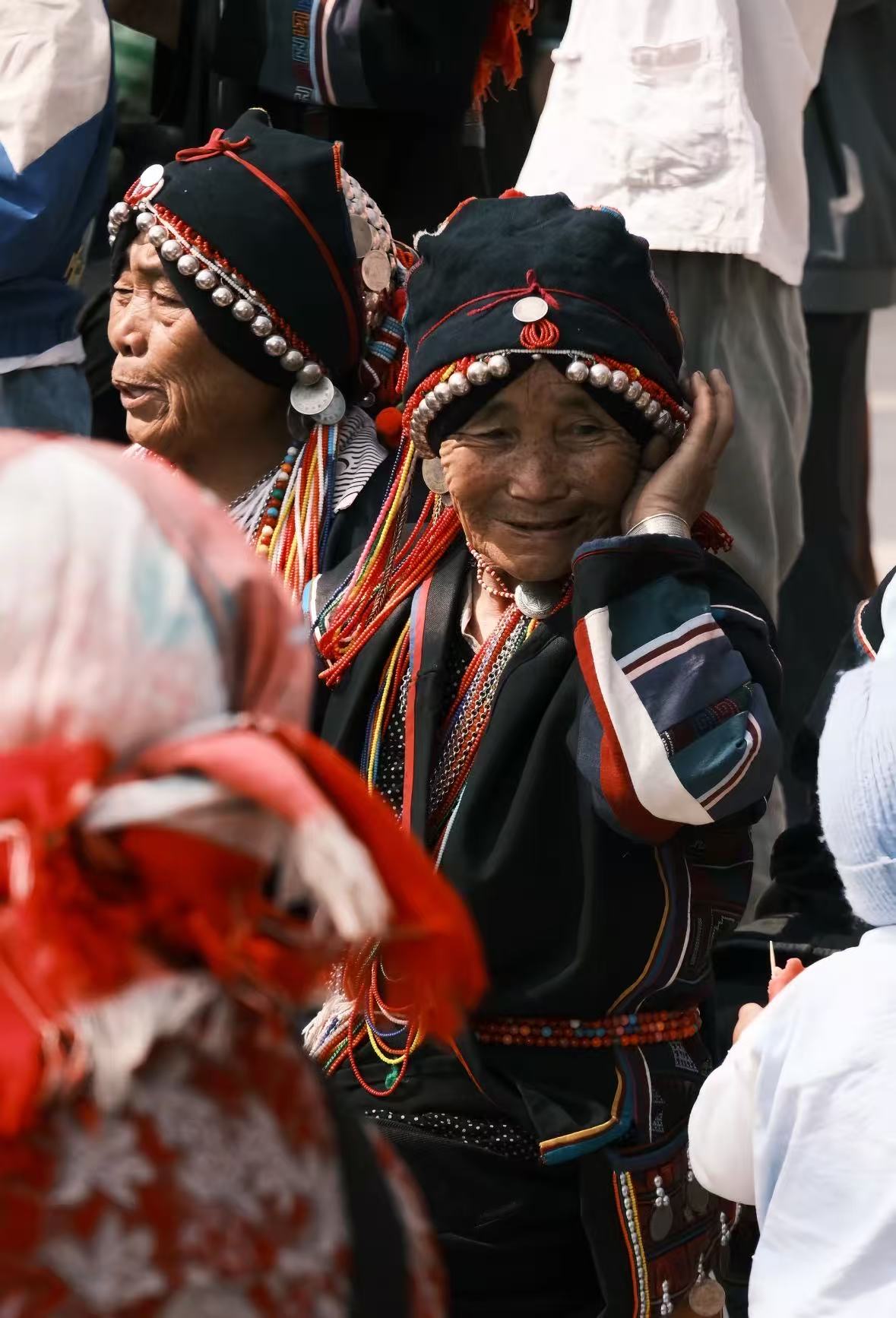
favor,
It is the temperature of the journey.
Clothing, crafts, language and festivals give different places their own cultural qualities. Culture also continues in family gatherings, daily labor and neighborhood conversations; the people living here give a journey a real warmth.
Approach local life with respect and curiosity, listen to a story, learn about a craft, or have a few chats in the market. Ask for permission before photographing people, communicate with an equal attitude, and let the journey leave behind scenery and moments of mutual understanding.
Read the full Humanities introduction
The charm of China's tourism lies not only in its vast and magnificent natural scenery, but also in its long history, rich regional culture and warm daily life. From the palace walls of the ancient capitals in the north to the small bridges and flowing water in the water towns in the south of the Yangtze River; from the ethnic villages in the southwest to the streets and lanes of commercial ports in coastal cities, all parts of China have unique humanistic qualities. Travelers can enjoy the scenery among mountains, rivers, lakes and seas, and gradually get to know this land through architecture, food, art, festivals and people-to-people exchanges. Humanistic tourism in China is not only a journey to understand history and culture, but also an experience of getting closer to local life and experiencing different values and lifestyles.
The long history has given a profound foundation to China’s cultural landscape. Many cities retain the marks of different eras. A city gate, an ancient street, or a ruins may all carry rich stories. In Beijing, the palace layout and central axis of the Forbidden City display the order and aesthetics of traditional architecture, while hutongs and courtyards retain the memory of life in the old city. In Xi'an, the terracotta warriors and horses, ancient city walls and historical relics allow visitors to feel the scale and creativity of ancient civilization. In cities such as Luoyang, Nanjing, and Hangzhou, history is also integrated into urban space in different ways. To understand these places is not just to see ancient buildings, but also to understand why they were formed and how they affect today's life.
Chinese traditional architecture is an important window for observing humanistic culture. Palaces, temples, gardens, and residential buildings each have their own characteristics and reflect different functional needs and life ideals. Suzhou gardens create rich layers of limited space through rocks, waterscapes, flowers and trees, and winding paths, reflecting the aesthetic pursuit of harmony between man and nature; the whitewashed walls and black tiles of Huizhou folk houses and the layout of streets record the traces of local society and business development; Fujian earth buildings use unique architectural forms to present a way of living together and protecting homes together. Walking into these buildings, visitors can not only appreciate the external beauty, but also understand the cultural connotations about family, neighborhood and life order.
The vast geographical space has allowed China to form a rich regional culture.
North and south, coastal and inland, plains and mountainous areas all have differences in language, food, architecture and rhythm of life. Life in the Jiangnan water towns is closely connected with rivers. The characteristics of business exchanges and openness and tolerance can be seen in Lingnan culture, while the southwest region has diverse ethnic traditions. Regional differences make travel in China full of layers. Even two adjacent places may have different dialects, flavors and customs. For tourists, retaining curiosity and carefully observing the lives of local people can often gain more profound feelings than rushing to check in attractions.
National culture is a distinctive component of China’s cultural tourism. In regions such as Yunnan, the costumes, music, dances, festivals and handicrafts of different ethnic groups provide diverse experiences for travel. Visitors can walk into Bai villages to learn about tie-dying, observe architectural details in traditional houses, and learn about local products and living habits through local markets. These cultures not only exist in stage performances, but also continue in family life, work methods and community activities. When experiencing national culture, respect local etiquette, ask for permission before photographing people, and communicate with an equal attitude, which can make travel a more meaningful mutual understanding.
Traditional festivals allow visitors to see the connections between people, families and communities in Chinese culture. The reunions of the Spring Festival, the lights of the Lantern Festival, the customs of the Dragon Boat Festival and the moon appreciation of the Mid-Autumn Festival all carry people's expectations for family affection, health and a better life. Different regions may celebrate the same festival in different ways. Some places retain dragon and lion dances, and some places hold temple fairs or local folk activities. In addition to the excitement of festivals, there are also details such as preparing food, decorating homes, and visiting relatives and friends. These daily actions show how culture is passed down from generation to generation, and also allow travelers to feel that Chinese society values reunion and emotional connection.
Food is one of the most direct ways to understand China. The climate, products, historical exchanges and living habits of various places jointly shape the rich local flavor. Cantonese morning tea is not only a meal, but also a way of life to get together with family and friends; the spicy taste of Sichuan cuisine reflects the distinctive local characteristics; Jiangnan cuisine often looks for delicate combinations between ingredients and seasons; Yunnan’s local ingredients and the variety of pasta in the north show the dietary wisdom in different environments. From street food to home-cooked table fare, food connects memories of place and hospitality. When tasting local food, hearing about the origin of a dish can also turn an ordinary meal into a travel experience with a story.
Traditional handicrafts and arts add a sense of participation to Chinese cultural travel. Techniques such as ceramics, embroidery, wood carving, paper cutting, weaving and dyeing embody the experience and aesthetics of the craftsmen, and are closely related to local life. Calligraphy, painting, opera and traditional music express emotions and thoughts through different forms. Visitors can learn about the development of these arts in the museum, or walk into the workshop to observe how materials are transformed into works by hands, or try simple production processes themselves. When people understand the time and patience required for a work, it is easier to appreciate the value of traditional skills and the persistence of the inheritors in contemporary life.
The daily life of Chinese people is also a cultural landscape worth experiencing in detail. The early morning vegetable market, walking and exercising in the park, conversations in street teahouses, and the lively night markets in the evening all present the real rhythm of life in different places. In these scenes, visitors can see how people work, rest and get along with each other, and can also feel the respective temperatures of the city and the countryside. Sometimes, a shopkeeper’s introduction to food, a resident’s enthusiastic directions, or a casual chat are more memorable than a photo of a scenic spot. The meaning of cultural travel is often hidden in these naturally occurring encounters.
Contemporary China's urban culture has also brought new content to travel. Museums, art galleries, urban bookstores, creative districts and public cultural spaces give visitors the opportunity to understand today's China. In some cities, traditional streets and modern buildings are intertwined, old factories have been transformed into art spaces, and local culture has entered daily life through new designs and expressions. Travelers can visit historical sites, experience modern transportation, and enter communities with local characteristics all in the same day. This diversity shows the continuation and change of Chinese culture, and also allows people to see that history does not stay in the past, but is constantly gaining new expressions in the contemporary era.
A more in-depth cultural experience requires reasonable itinerary arrangements and appropriate stay time. Instead of rushing to many scenic spots in one day, it is better to choose a few representative places, cooperate with explanations, walks and exchanges, and slowly understand the culture. Set aside time for walking along an old street, time for tasting a local meal, and space for people and things you meet by chance. Tourists of different ages, interests and travel habits can choose an experience that suits them, making the journey not only informative, but also relaxing and comfortable.
China's cultural tourism is a rich experience composed of historical heritage, local traditions and contemporary life. Landscapes give various places different looks, culture gives these places unique characters, and the people living there make the journey full of real warmth. When you enter China, you can not only enjoy the magnificent scenery, but also listen to stories, taste flavors, learn craftsmanship, and see life. When travelers are willing to slow down and get to know every place with respect and curiosity, they will gain not only photos along the way, but also a more specific, vivid and in-depth understanding of China.
Take the fragments that touch you,
Become the next journey.
Tell us about the architecture, culture and daily experiences you are interested in, and let’s discuss an itinerary that suits you.