at your own pace
Tell the consultant whether you want to take it slow or explore as much as possible. Reserve time for rest and transportation to plan your trip more leisurely.
 CTG TravelCTG TRAVEL
 Kunming KanghuiCo-creation partnerPlan your trip
Chinese stories in red walls and alleys
plan mineBeijingjourneyDestination introduction · Retain from the original site
Beijing is a city worth getting to know slowly. There are stately palaces, the stretching Great Wall and ancient alleys, as well as bustling neighborhoods, rich art spaces and vibrant modern life. As the capital of China and a famous historical and cultural city, Beijing retains the imprints of different eras in the city, allowing tourists to experience the magnificence of royal buildings, the intimacy of old city streets and the diversity of contemporary cities in a journey. When you come to Beijing, you can enjoy famous attractions, or you can get involved in daily life and discover the character of this city during a meal, a performance or a street stroll.
To understand Beijing, you can start from the city’s central axis. This important axis running through the old city connects many representative buildings and public spaces, reflecting the order and aesthetics of traditional Chinese capital planning. From Yongding Gate to the Bell and Drum Tower, the architectural layout and spatial changes along the way show the history of urban development. Tourists do not have to walk the entire route at once. They can choose a section and explore slowly with explanations. By observing the relationship between buildings from different locations, it is easier to understand the overall layout of Beijing's old city than to visit a certain scenic spot alone, and you can also appreciate the solemn and open temperament of this city.
The Forbidden City is a very representative destination in Beijing travel. Walking into the red walls and yellow tiles, the wide courtyards, progressive palaces and exquisite architectural details together create a distinct visual impression. The charm of the Forbidden City lies not only in the scale of the building, but also in the history and art preserved in it. From the layout of the palace to the decoration of the roof, from the exhibition of artifacts to the stories of palace life, it is worth understanding in detail. When visiting, instead of rushing to visit all areas, it is better to choose the focus according to your interests, explain and observe the details, and connect the buildings in front of you with historical figures, institutions and life, and gain a deeper experience.
Jingshan, adjacent to the Forbidden City, provides tourists with another angle to observe the old city. Climbing to the top of the mountain, you can overlook the architectural complex of the Forbidden City and feel the layers between the palace roof and the city blocks. Beihai Park shows the beauty of combining classical gardens with lake views. The white pagoda, lake, pavilions and trees set off each other, making it suitable for slowing down after a busy visit. Beijing’s historical landscape is not limited to grand buildings, but also spaces where you can walk, stay and appreciate the seasonal changes, allowing travel to strike a balance between knowledge and leisure.
The Temple of Heaven presents another unique architectural beauty. The shape and color of the Hall of Prayer for Good Harvests echo with the surrounding space, showing a distinct traditional aesthetic. This was once a place where emperors of the Ming and Qing Dynasties worshiped heaven and prayed for grain. Understanding its purpose and layout can help visitors understand the cultural concepts behind the architecture. Nowadays, the Temple of Heaven Park has also been integrated into the daily life of citizens. Walking on the forest road, you can feel the tranquility brought by the ancient trees, and you can also see people walking and exercising. Historical buildings and current life coexist in the same garden, giving this place both cultural depth and a friendly atmosphere of life.
The Summer Palace combines the scale of an imperial garden with landscapes. The openness of Kunming Lake, the ups and downs of Wanshou Mountain, and the layout of promenades, bridges and pavilions constitute a rich tourist experience. Walking along the lake, you can enjoy the scenery from different angles; observing the paintings on the promenade, you can also discover many cultural and artistic details. It is suitable to set aside sufficient time in the Summer Palace and choose a route according to your physical strength. You can visit the main buildings and stop by the lake. Seasons, weather and light will change the atmosphere in the garden, giving the same landscape a different aesthetic.
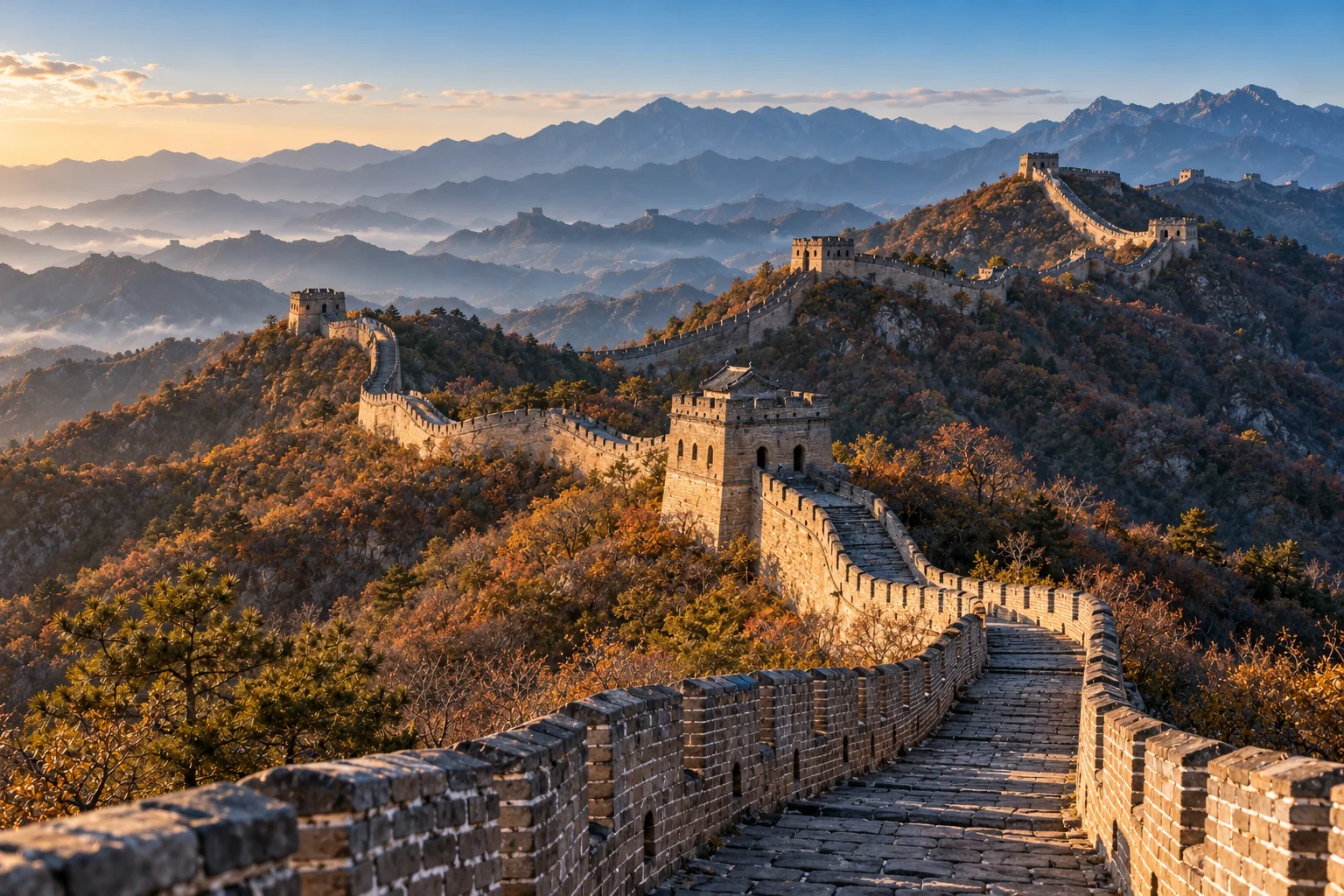
The Great Wall is an important part of travel around Beijing. The city wall undulates along the mountain, and the watch towers intersect with the mountains in the distance, showing a magnificent and powerful scene. Different tourist areas such as Badaling and Mutianyu each have their own environment and route characteristics, and can be selected according to the age, physical strength and interests of the travelers. Climbing the Great Wall, in addition to taking photos, is also worth observing the relationship between the wall structure, the location of the passes and the mountain environment, and understanding its historical role. Some sections of the Great Wall have steep slopes. Properly arranging walking distance and rest time can make the tour more comfortable and allow you to enjoy the scenery along the way.
If you want to get to know the friendly side of Beijing, hutongs and old streets are good entrances. The water surface, streets and traditional houses around Shichahai give people a sense of urban scale that is different from the broad streets. A door, a tree, or a small shop in an alley may carry the memory of life in the old city. While strolling, you can look at the courtyard gates and brick carvings, listen to the conversations on the street, and feel the connection between the residents and the neighborhood. Hutongs are also places where people actually live. Keeping quiet and respecting private space when visiting can better preserve the charm of urban life.
Beijing’s food adds a distinct local flavor to the journey. Peking duck is well-known for its unique way of making and eating. The combination of pancakes, shredded green onions and sauces makes a meal full of participation. Shabu-shabu mutton, fried noodles and a variety of traditional snacks can also help tourists understand local tastes. Some foods have a mild taste, while others require getting used to. You can choose based on your personal preference. In addition to tasting famous dishes, you can also experience the simple and lively side of Beijing life by walking into everyday restaurants and trying a breakfast familiar to locals.
Cultural experience can make a trip to Beijing more vivid. Visitors can try Peking Opera mask painting, paper-cutting or traditional hand-making in suitable workshops, and learn about patterns and techniques through hands-on participation; they can also enter the theater to enjoy Peking Opera, folk art and other performances, and feel the charm of language, music and stage art. When participating in an experience, understanding the background first and then trying it out is often more rewarding than simply completing a souvenir. An explanation or an exchange may make an originally unfamiliar culture easier to understand and leave more specific travel memories.
Beijing also has rich museum and art resources. Cultural venues such as the National Museum of China provide visitors with a window into history and art; museums with different themes are suitable for in-depth exploration based on personal interests. For parent-child families, it is more effective to choose a theme that is suitable for children to understand than to arrange too many exhibition halls. Art lovers can also enter art spaces such as 798 and experience the atmosphere created by the combination of exhibitions, design and old buildings. These places allow people to see that Beijing not only cherishes its history, but also constantly develops new cultural expressions.
The vitality of contemporary Beijing is reflected in different neighborhoods and public spaces. The bustling business district, specialty bookstores, cafes and city parks provide tourists with a variety of leisure options. After visiting the historic sights, plan some free time for a stroll to see the modern architecture, explore the neighborhoods, or sit back and observe city life. Ancient and modern coexist in Beijing, and together they form the face of today's city. Travel doesn’t always have to revolve around scenic spots. Sometimes you can discover places you like just by stopping at a random stop.
Each of the four seasons in Beijing has its own characteristics. Spring is suitable for flower viewing and garden walks, summer is full of greenery, autumn can be admired with red leaves and clear skies, and winter has another quiet ancient capital feel. When arranging your itinerary, you can combine the season and interests to reasonably combine historical buildings, gardens, alleys, the Great Wall and cultural experiences, and confirm the opening and reservation information of attractions before traveling. Allowing time for transportation, meals, and rest can make the journey more leisurely.
The appeal of traveling to Beijing lies in the variety of ways it provides to understand China. Palaces and city walls tell history, gardens and streets present aesthetics, food and art connect life, and communication between people brings warmth to these experiences. Whether it’s your first time in Beijing or a second visit, you can always find a new angle of observation. Walk slowly, look carefully, and allow time to experience daily life, so that you can harvest your own travel stories in this heavy and vivid city.
From a scenery, approach a place. Along these attractions and experiences, find a stop that makes your heart beat, and leave some imagination for the next part of your journey.
The red walls and golden roofs unfold layer by layer, and the courtyards and palaces form a neat order. Slow down the tour and look for the intricate details among the majestic architecture.
The city wall undulates along the mountain, and the mountains in the distance spread out in the light. As you walk and look around, you will appreciate the interdependence of architecture and mountains.
Blue glazed tiles, red columns and white bases contrast with each other. Go around the building and look closely at the proportions and lines, and feel the orderly beauty of the ancient building.
Lakes, mountains and pavilions together constitute the garden scenery. Walk slowly along the lake, letting the distant scenery alternate with the shadows of trees and columns nearby.
The towers, red walls and open sky form a solemn urban scene. Take some time to observe the outline of the building and understand the connection between this space and Beijing.
The pavilions on the hill and the cascading eaves echo each other, and the trees add greenery to the building. Climb up the steps and view the old city from different locations.
From the building to the exhibition hall, you can understand the stories of different eras with the help of artifacts and exhibitions. Pick a topic that interests you and allow time for a closer look.
The lakeshore, tree shadows and light on the water give the old city an extra stretch. Take a walk along the waterfront and into the nearby streets to experience daily life.
The structure of modern buildings and the green space set off each other, showing another face of Beijing. Pay attention to the architectural lines and enjoy walking in the open spaces.
Travel time, travel companions’ physical stamina, preferred experiences and accommodation preferences are all worthy of careful discussion during planning.
Tell the consultant whether you want to take it slow or explore as much as possible. Reserve time for rest and transportation to plan your trip more leisurely.
Nature, humanities, food or photography, let practical arrangeable experiences meet your interests.
The specific cost is determined by the date, number of people, accommodation and service content. After confirming the detailed quotation and fee inclusions, proceed with the reservation.
Submit a request for travel inquiries only. The consultant will communicate the actual arrangements with you and no automatic booking or payment will be made here.
Chat on WhatsApp Check our credentialsYou don’t need every detail worked out. Share your ideas, and we’ll help you shape the journey.
Yes. Tell us your desired travel pace, travel time and travel companions’ preferences, and our consultant will communicate with you about the appropriate direction.
Communicate your needs first, and then the consultant will provide a specific itinerary and quotation. The items included and not included in the fee and the applicable conditions need to be explained item by item when confirming the plan.
No. Submitting the form represents a travel advisory only. Specific bookings are subject to the itinerary, quotation, contract and actual booking process confirmed by both parties.
You can view the original site’s license information on the qualifications page. Before making a formal reservation, please check the operating entity, license, payment entity and corresponding authorization materials on the contract.
Please contact an advisor directly. The actual processing methods and possible fees are subject to the contract, product terms and supplier rules you confirmed.