at your own pace
Tell the consultant whether you want to take it slow or explore as much as possible. Reserve time for rest and transportation to plan your trip more leisurely.
 CTG TravelCTG TRAVEL
 Kunming KanghuiCo-creation partnerPlan your trip
Discover the old and the new at the corner of the city
plan mineShanghaijourneyDestination introduction · Retain from the original site
Shanghai is a city suitable for getting to know while walking. There are distinct urban outlines on both sides of the Huangpu River, blocks and buildings that retain historical memories, gardens, art spaces, ancient Jiangnan towns and rich food culture. High-rise buildings and old streets, prosperity and tranquility are naturally intertwined in this city. When you come to Shanghai, you can appreciate the momentum of the modern city, or you can walk into the streets and alleys, observe a window, a porch, a small shop, and feel the joy of life in the details. The attraction of Shanghai tourism comes not only from its well-known attractions, but also from its open, diverse and changing urban temperament.
The Huangpu River is an important starting point for understanding Shanghai. This river runs through the city, connecting the different architectural landscapes on both sides of the bank, and also allows people to intuitively feel the development and changes of Shanghai. Walking along the riverside promenade, you can enjoy the wide water surface, passing ships and the ever-changing city skyline. During the day, the shape and details of the building are clearer; in the evening, the sky and river gradually change color, and the city lights light up one after another, presenting another atmosphere. Whether you choose to walk along the shore or take a boat tour, you can experience the relationship between the Huangpu River and Shanghai from different angles.
The Bund is one of Shanghai's most representative landscapes. The historical buildings lined up along the river each have different facades, decorations and structural features, and together they form a distinctive street scene. When visiting the Bund, in addition to looking at Pudong from a distance, it is also worth turning around to look at the details of these buildings and understand their connection with the city's business, finance and social life. Stones, doors, windows, carvings and architectural outlines all record the traces of the times. Walking slowly along with the explanation can make the scenery in front of you more story-telling, and make it easier to understand how Shanghai developed from the riverside to what it is today.
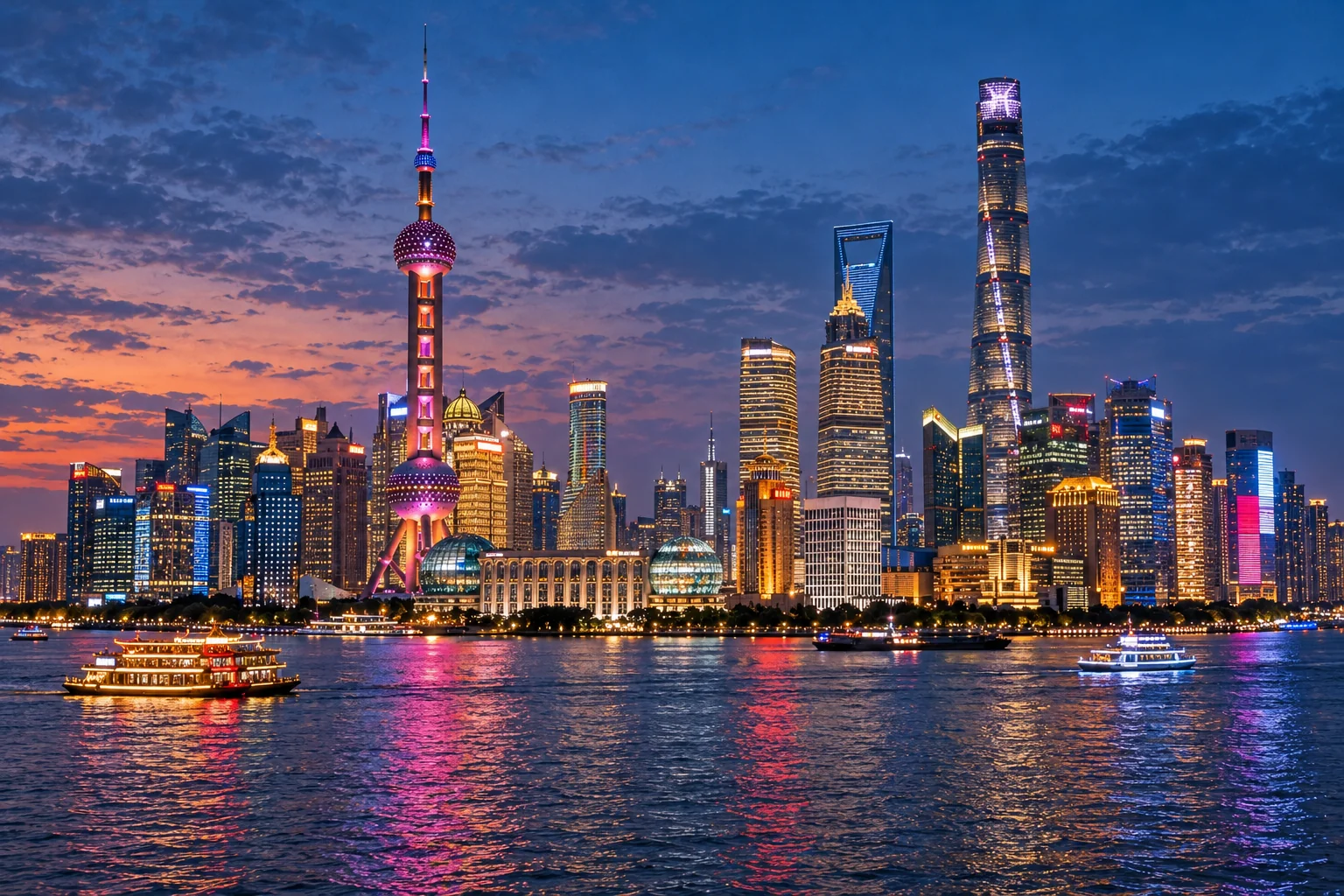
Lujiazui on the other side of the Huangpu River shows the modern urban side of Shanghai. The Oriental Pearl Tower and surrounding high-rise buildings together form a recognizable skyline, becoming many tourists' first impression of Shanghai. Walking into this area, you can feel the scale of modern buildings up close, and you can also choose a suitable viewing space to observe the river flow, roads and urban layout from a height. In addition to high-rise buildings, the riverside trail is also worth a stop. Feeling the breeze on the riverside and watching the buildings reflected on the water can make the compact city tour more relaxing and allow tourists to calmly enjoy the scenery on both sides of the river.
Yuyuan Garden and the surrounding old city area bring the experience of traditional gardens and local culture to Shanghai travel. The rocks, water features, pavilions and winding paths in the garden organize the limited space into rich layers, reflecting the aesthetics of Jiangnan gardens. When visiting, you can pay attention to how door openings frame the scenery, how cloisters connect different courtyards, and how buildings and plants complement each other. The surrounding neighborhoods have traditional-style buildings, restaurants and various shops, which are suitable for viewing while walking. The liveliness here and the exquisiteness inside the garden jointly present another aspect of Shanghai's urban culture.
The charm of Shanghai is also hidden in its walkable historical districts. Wukang Road, Sinan Road and the Hengfu area have buildings of different ages and layered streetscapes. Trees, walls, balconies and corner shops form a natural urban scene. When you come to these places, you don't have to rush to find every photo spot. You can observe the architectural details along the way, walk into a bookstore or cafe, and feel the rhythm of the neighborhood. Some buildings still have people living in or working there, so respecting daily life and private space when appreciating the appearance can also make travel closer to the real temperament of this neighborhood.
Shikumen and lanes are important clues to understanding the memory of life in Shanghai. Shikumen residences combine different architectural elements with urban living needs to form unique doorways, layouts and street spaces. Lanes once hosted the lives of many families, and also preserved stories of neighborhood interactions and urban changes. Today, some of the relevant neighborhoods have been updated to incorporate dining, design, commercial and cultural activities. Visitors can observe how traditional buildings are reused in these spaces and feel the connection between history and contemporary life. Understanding the residential story behind a building is often more rewarding than just looking at the exterior.
Neighborhoods such as Nanjing Road and Huaihai Road present Shanghai's bustling commercial life. The different shops, buildings and street atmosphere make shopping a city observation. It’s a great place for shopping, window shopping, looking for specialty dining, or taking a break on the street. Shanghai's business culture is not only reflected in large shopping malls. Time-honored brands, independent shops and daily business in the streets also have their own interests. Choose a section to walk slowly based on your own interests. You can not only feel the vitality of the city, but also find it easier to discover unexpected little surprises.
Food is an indispensable part of understanding Shanghai. Local cuisine attaches great importance to seasoning and cooking, braised dishes, seasonal ingredients and home-cooked flavors, showing the characteristics of local food. Food such as pan-fried vegetables, steamed dumplings, and noodles with scallion oil provide tourists with the opportunity to easily get close to local tastes. Shanghai also brings together food from all over China and different countries, allowing a journey to have a variety of taste experiences. In addition to choosing well-known restaurants, trying a neighborhood breakfast or walking into an ordinary noodle shop can also feel the warmth of daily life, allowing food to be naturally connected with travel memories.
Museums and art spaces add cultural depth to Shanghai travel. Venues such as the Shanghai Museum can help tourists understand history, art and traditional crafts; exhibition halls with different themes are suitable for selection based on personal interests. There are also rich art spaces and exhibitions along the Huangpu River and in other areas of the city. When visiting, you don’t need to pursue seeing all the exhibition halls at once. It is often more rewarding to choose a few topics of interest and set aside time for observation and understanding. For parent-child families, it can also be arranged around content that children are familiar with or curious about, making cultural visits a process of communication and discovery.
Shanghai also has leisure options suitable for families, friends and tourists with different interests. The theme park can bring a whole day of entertainment experience, the city park is suitable for walking and relaxing, and the riverside public space allows people to experience the open river view. Tourists who like cultural activities can focus on theater, music and performances; tourists who like hands-on participation can also choose pottery, painting or local culture-related experiences. Different projects require different time and physical effort. A reasonable combination of indoor and outdoor activities can make the trip more comfortable and preserve the content that each traveler likes.
If you want to experience the Jiangnan Water Town, you can include ancient towns such as Zhujiajiao in your trip. Rivers, stone bridges, waterside streets and traditional houses together create a scene that is different from the city center. Walking slowly along the river, you can observe the relationship between water and architecture, check out the small shops by the bridge, taste local food, and experience water excursions according to your interests. The ancient town is suitable for free time to stay and find quiet corners outside the lively streets. This arrangement allows Shanghai travel to combine the prosperity of a modern city with the delicacy and soothingness of life in a water town.
Shanghai has its own atmosphere in different seasons. Spring is suitable for city walks and flower viewing, summer can be arranged for outdoor activities in cooler periods, autumn is suitable for walking along neighborhoods and riverside trails, and winter can be more combined with museums, exhibitions and indoor experiences. When planning your itinerary, you can connect attractions by region to leave room for transportation, meals and rest, and confirm venue openings and reservation arrangements in advance. Keeping an itinerary every day that is not rushed will make it easier to feel the details of the city.
The wonderful thing about Shanghai travel is that it can accommodate a variety of travel methods. You can admire the city skyline on the riverside, feel the traditional aesthetics in the gardens, search for life memories in the old streets, or enter the art space and learn about contemporary culture. It is not only suitable for tourists who come to China for the first time to establish an impression of the modern city, but also suitable for those who visit again to explore slowly. Slow down and let the stories of buildings, food, streets and people enter the journey together, and Shanghai will present a more vivid, rich and memorable side.
From a scenery, approach a place. Along these attractions and experiences, find a stop that makes your heart beat, and leave some imagination for the next part of your journey.
Take a walk along the river bank and watch the building lights and water reflections reflect each other. The outline of the city unfolds with each step, and each section of the river bank has a different perspective.
The distinct silhouette of the tower blends into the Pudong skyline, and the lights at night add to the layering. Looking from afar on the river bank, you can get to know Shanghai’s distinctive urban landscape.
Traditional pavilions and light reflections form a lively landscape surrounding the garden. Pay attention to the eaves and decorative details, and also walk into the streets to feel the atmosphere of the old city.
Entering the exhibition hall from the building, focus on artifacts and art. Choose an exhibition that interests you and take a closer look at the materials, patterns and traces of creation.
Starting from the exhibition space and interactive experience, bring curiosity into the journey. Let observation and questioning become fun that parents and children can share together.
Castles, colors and themed scenes make a day trip full of imagination. Plan your itinerary according to your own interests and enjoy exploring with your fellow travelers.
Observe the animals' postures and movements, and also pay attention to their surroundings. If you look patiently for a while, you can often find more fun than taking a group photo.
The rides and the open sky combine to create a vibrant scene. Choose a project that suits you and make your trip more relaxed and joyful.
The river passes between white walls and black tiles, and boats, bridges and reflections on the water are connected to each other. Walk along the waterside and feel the leisurely pace of Jiangnan Ancient Town.
Travel time, travel companions’ physical stamina, preferred experiences and accommodation preferences are all worthy of careful discussion during planning.
Tell the consultant whether you want to take it slow or explore as much as possible. Reserve time for rest and transportation to plan your trip more leisurely.
Nature, humanities, food or photography, let practical arrangeable experiences meet your interests.
The specific cost is determined by the date, number of people, accommodation and service content. After confirming the detailed quotation and fee inclusions, proceed with the reservation.
Submit a request for travel inquiries only. The consultant will communicate the actual arrangements with you and no automatic booking or payment will be made here.
Chat on WhatsApp Check our credentialsYou don’t need every detail worked out. Share your ideas, and we’ll help you shape the journey.
Yes. Tell us your desired travel pace, travel time and travel companions’ preferences, and our consultant will communicate with you about the appropriate direction.
Communicate your needs first, and then the consultant will provide a specific itinerary and quotation. The items included and not included in the fee and the applicable conditions need to be explained item by item when confirming the plan.
No. Submitting the form represents a travel advisory only. Specific bookings are subject to the itinerary, quotation, contract and actual booking process confirmed by both parties.
You can view the original site’s license information on the qualifications page. Before making a formal reservation, please check the operating entity, license, payment entity and corresponding authorization materials on the contract.
Please contact an advisor directly. The actual processing methods and possible fees are subject to the contract, product terms and supplier rules you confirmed.