at your own pace
Tell the consultant whether you want to take it slow or explore as much as possible. Reserve time for rest and transportation to plan your trip more leisurely.
 CTG TravelCTG TRAVEL
 Kunming KanghuiCo-creation partnerPlan your trip
Along the plateau, towards the distance in my heart
plan minetibetjourneyDestination introduction · Retain from the original site
Tibet is a plateau land with magnificent natural landscapes and profound humanistic traditions. There are rolling snow-capped mountains, vast grasslands, clear lakes and deep river valleys, as well as historic buildings, rich art and a unique way of life. From Lhasa to Shigatse, from Shannan to Linzhi, and then to the distant Ali, different regions present distinctive landscapes and cultural characteristics. When you come to Tibet, you can feel the vastness of the world among mountains and lakes, and you can also learn about local life through streets, paintings, food, and interactions between people. The charm of traveling in Tibet lies not only in the magnificent vistas, but also in the details that require calmness to observe and understand.
Lhasa is the first stop for many tourists to get to know Tibet. Mountains surround the city, and traditional neighborhoods are intertwined with modern life to form a rich urban landscape. Walking on the streets, you can see buildings, shops and daily interactions, and you can also feel that the environment here is different from that of low-altitude cities. When you first arrive in Lhasa, it is appropriate to slow down your pace first, allowing time for rest and acclimatization to the altitude, and then gradually arrange your visit. To get to know a city, you don’t have to start with dense tourist attractions. A relaxing walk or a delicious meal can also allow the journey to unfold naturally.
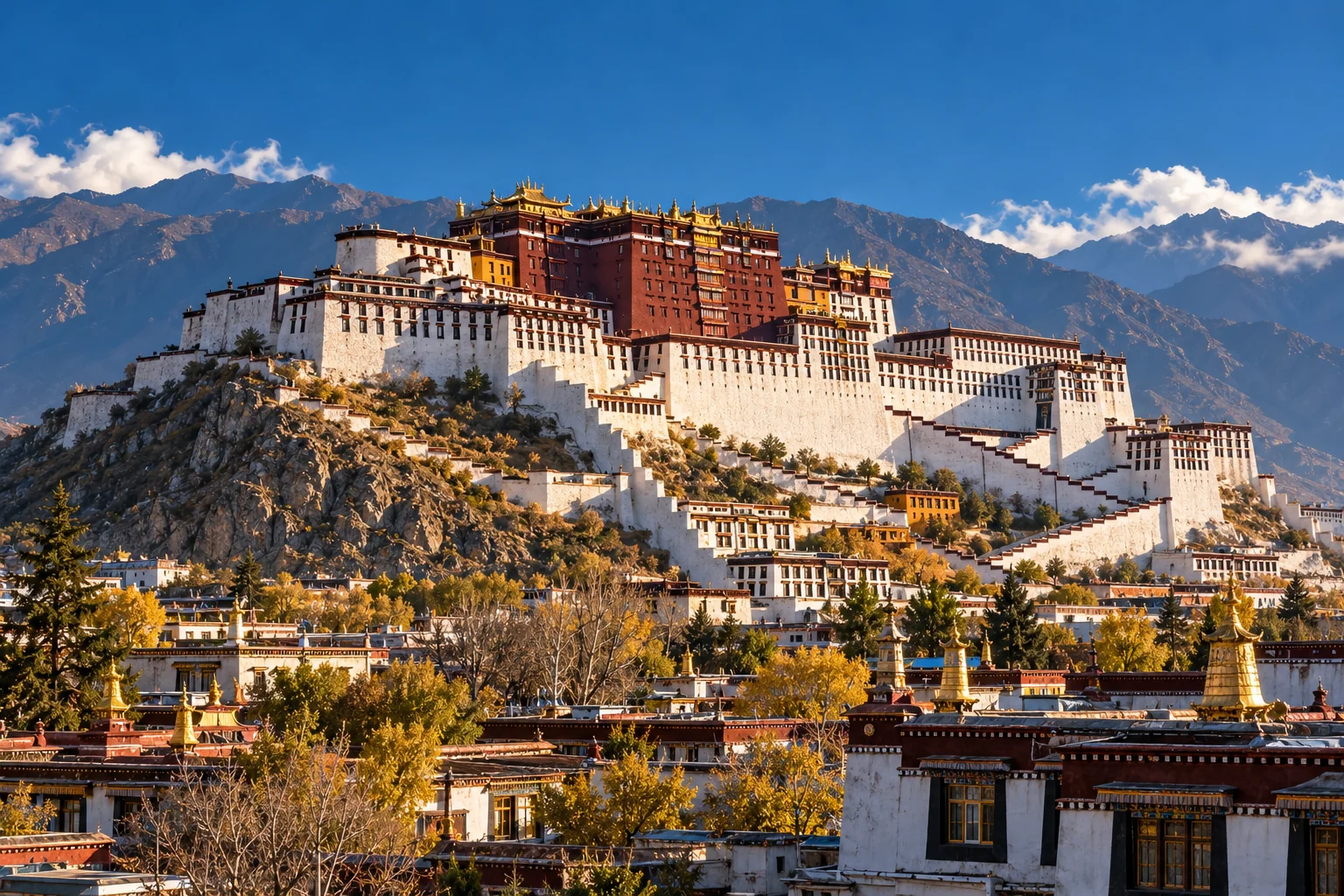
The Potala Palace is a representative architectural landscape in Tibet. The palace complex built against the mountain presents a solemn momentum with its progressive spaces, red and white walls and distinctive outlines. When looking from a distance, you can feel the relationship between the building and the mountain; when you get closer, you have the opportunity to observe the structure, decoration and artistic details. The Potala Palace carries rich historical and cultural content. Understanding its use and development through explanations will make it easier to understand the space in front of you. Following the on-site arrangements and etiquette when visiting will also help you understand the true significance of this building.
The Jokhang Temple and Barkhor Street area provide tourists with a window into the history and life of Lhasa. The temple building is closely connected with the surrounding streets and alleys, and religious activities, business transactions, and residents' daily life together constitute a vivid space. Walking slowly along Barkhor Street, you can see traditional buildings, local products and handicrafts, and you can also learn about the formation and changes of the neighborhood through explanations. It is not only a tourist destination, but also a place where people live and carry out religious activities. Respecting local customs and asking permission before photographing people can make viewing and communication more natural.
Tibetan temple art includes paintings, sculptures, architectural decorations and various crafts. Character images, patterns and colors often have specific cultural meanings and need to be understood in context. Thangka is a representative art form and is closely related to Tibetan culture and religious traditions. Visiting an exhibition or a painter's workshop can help you understand the materials, composition and production steps, as well as appreciate the patience behind the fine lines. A complete traditional thangka requires long-term study. A short-term experience is suitable for starting from basic aspects such as line drawing and color mixing, allowing tourists to establish a preliminary understanding and respect the cultural connotation carried by the work.
Yamdrok Yongcuo shows the beauty of lakes on the Tibetan plateau. The lake and the surrounding mountains complement each other, and the shoreline extends zigzag along with the terrain, forming a variety of viewing angles. When the weather is clear, the water surface shows vivid blue layers; when the cloud shadows move, the color of the lake changes again. During the tour, you can choose a suitable viewing location to stay and appreciate the relationship between the lake, distant mountains and the sky. The beauty here is not only the colors in the photos, but also the feeling of the wind, light and space when you are on the plateau. Watching slowly can often leave a better impression than rushing to a scene.
Namtso presents an open and powerful scene with its vast lake and distant snow-capped mountains. The lakeshore, grassland and mountains together form a distinct layer, allowing people to intuitively feel the natural scale of the plateau. The altitude here is high, so tour arrangements need to take into account physical condition, weather and road conditions, leaving room for rest. When admiring the lake scenery, you can observe the rocks on the shore, changes in the water surface, and plants, and also learn about the lake's ecology and its significance in local culture. Nature and humanity complement each other and can make a viewing journey more profound.
Shigatse adds history and urban culture to Tibet travel. The architectural complex, courtyards and artistic decoration of Tashilhunpo Temple provide tourists with opportunities to understand related religious culture. When visiting, you can pay attention to how the building organizes space, how paintings and sculptures are integrated into the temple, and you can also understand the uses of different areas through explanations. City neighborhoods, markets and local restaurants reflect today's life. Combining temple visits with daily walks can make the image of Shigatse more complete and avoid knowing a place through a single attraction.
Mount Everest and the surrounding areas are an important part of Tibet's magnificent natural landscape. The snowy peaks, mountains and plateau environment together form a powerful picture. The terrain and views along the way are constantly changing, making the road itself a part of the journey. Travel here is greatly affected by altitude, weather and traffic conditions. It is suitable to choose a route that suits your physical condition after fully understanding the actual arrangements. You don’t have to pursue a certain extreme position to appreciate the snow-capped mountains. If you watch carefully in a suitable viewing area, you can also feel the power and beauty of the mountains.
Nyingchi presents another natural temperament of Tibet. River valleys, forests and snow-capped mountains in some areas here are intertwined, and the landscape is rich in layers, which is sharply different from the vast plateau. Peach blossoms in spring add color to some villages and valleys, but the specific flowering period will be affected by weather and region. The lakes and mountains of Basongcuo, and the terrain and rivers of the Yarlung Zangbo Grand Canyon all provide different viewing contents. When weather conditions are suitable, looking at Namjagbarwa Peak from a distance is also an exciting experience; even if the snow-capped peaks are obscured by clouds, the forests, villages and river valleys along the way are worth appreciating.
Shannan provides important clues for understanding Tibetan history. Cultural landscapes such as Samye Temple give visitors the opportunity to learn about temple architecture, art and historical development; Yumbulakang and its surrounding environment present a scene of buildings and mountains contrasting with each other. When visiting these places, it is suitable to first understand the background and then observe the relationship between layout, decoration and terrain. Historical stories are not only present on the display boards, but also preserved in the architecture and local memory. Through reliable explanation and communication, the originally unfamiliar names can gradually become clear and concrete understandings.
Ali shows the vast and vast landscape of western Tibet. Between the mountains, lakes and vast plateaus, the sense of distance and space is particularly clear. Places such as Kailash and Manasarovar not only have natural landscapes, but also carry important meanings in different cultures. The ruins of the Guge Kingdom provide a window into the local history through the remaining buildings, caves and art. Ali journeys usually require sufficient time and preparation, and are suitable for careful selection based on physical condition and travel experience. Respect the environment and culture, and be patient while exploring.
Local food is a way to get closer to Tibetan life. Butter tea, sweet tea, tsampa, different noodles and home-cooked dishes each have their own flavors and eating habits. For your first taste, you can start with a small amount and slowly choose according to taste. Sit in the teahouse for a while, watch how people talk and rest, and feel the friendly daily atmosphere. Eating does not have to be about specialties. It is equally important to choose familiar and suitable meals during the trip. A cup of tea and a hot meal often add a touch of life warmth to a magnificent journey through mountains and rivers.
Handicrafts and cultural exchanges add a sense of participation to Tibet travel. In a suitable workshop or exhibition space, you can learn about Tibetan incense, fabrics and other traditional productions, and observe how materials pass through the hands to form works. A good experience will introduce the background, demonstrate the process, and allow time for questions and communication. Through the narration of craftsmen, visitors can understand the connection between craftsmanship and local life. The simple step of trying it yourself can be more memorable than buying an ordinary souvenir, making culture something concrete that can be learned and felt.
There are obvious differences in altitude, climate and traffic conditions across Tibet. The itinerary should be gradual and avoid arranging too much physical activity when you first arrive. Allowing time for rest, weather changes and traffic, and knowing whether plateau travel is suitable for you based on your own circumstances, can also make the experience more leisurely. Some areas involve access procedures, and tourists with different identities may have different requirements. You should confirm the actual conditions and reception arrangements of the selected route before departure.
The excitement of Tibet tourism lies in the rich experience composed of magnificent nature and profound culture. You can feel the breeze by the lake, enjoy the vistas in front of the snow-capped mountains, observe life in the streets, or get to know the stories of the locals through a thangka, a cup of tea and an exchange. If you move forward slowly with curiosity and respect, Tibet will become a travel memory filled with landscapes, culture, and feelings that is worthy of long-term recollection.
From a scenery, approach a place. Along these attractions and experiences, find a stop that makes your heart beat, and leave some imagination for the next part of your journey.
Layered architecture and bright colors create an unforgettable silhouette. Look at it from different angles, and then understand the story of this building through explanations.
Courtyards, golden roofs and detailed decorations show rich architectural layers. Observe quietly and respect the visiting order and cultural customs here.
The buildings are spread out along the terrain, and the courtyards and roads are connected to each other. Walk inside and take a closer look at the progressive relationship between eaves, colors and space.
The lake and the hillside meet under the vast sky, and the color of the water changes with the light. Stop at the viewing area and let your sight slowly stretch into the distance along the lake shore.
The blue lake surface and distant mountain peaks together form an open plateau scenery. Watch the cloud shadows, listen to the lake breeze, and spend some time between vastness and tranquility.
The scenery in the center of the lake contrasts with the surrounding mountains and forests, and the water surface presents delicate colors. You can see the lake and mountains as a whole from a distance, and you can also see the reflections and the greenery on the shore up close.
The river flows through deep valleys, and the mountains extend into the distance. Standing at the viewing point, you can feel the scale created by the river and the mountains.
The plateau valleys and distant peaks form a magnificent view. Leave the view to when the weather is suitable, and the itinerary also leaves room for rest and adaptation.
Snow lines and rock walls outline clear textures on the mountain. Look at this mountain peak from a distance and feel the power of the plateau scenery in quiet viewing.
Travel time, travel companions’ physical stamina, preferred experiences and accommodation preferences are all worthy of careful discussion during planning.
Tell the consultant whether you want to take it slow or explore as much as possible. Reserve time for rest and transportation to plan your trip more leisurely.
Nature, humanities, food or photography, let practical arrangeable experiences meet your interests.
The specific cost is determined by the date, number of people, accommodation and service content. After confirming the detailed quotation and fee inclusions, proceed with the reservation.
Submit a request for travel inquiries only. The consultant will communicate the actual arrangements with you and no automatic booking or payment will be made here.
Chat on WhatsApp Check our credentialsYou don’t need every detail worked out. Share your ideas, and we’ll help you shape the journey.
Yes. Tell us your desired travel pace, travel time and travel companions’ preferences, and our consultant will communicate with you about the appropriate direction.
Communicate your needs first, and then the consultant will provide a specific itinerary and quotation. The items included and not included in the fee and the applicable conditions need to be explained item by item when confirming the plan.
No. Submitting the form represents a travel advisory only. Specific bookings are subject to the itinerary, quotation, contract and actual booking process confirmed by both parties.
You can view the original site’s license information on the qualifications page. Before making a formal reservation, please check the operating entity, license, payment entity and corresponding authorization materials on the contract.
Please contact an advisor directly. The actual processing methods and possible fees are subject to the contract, product terms and supplier rules you confirmed.