


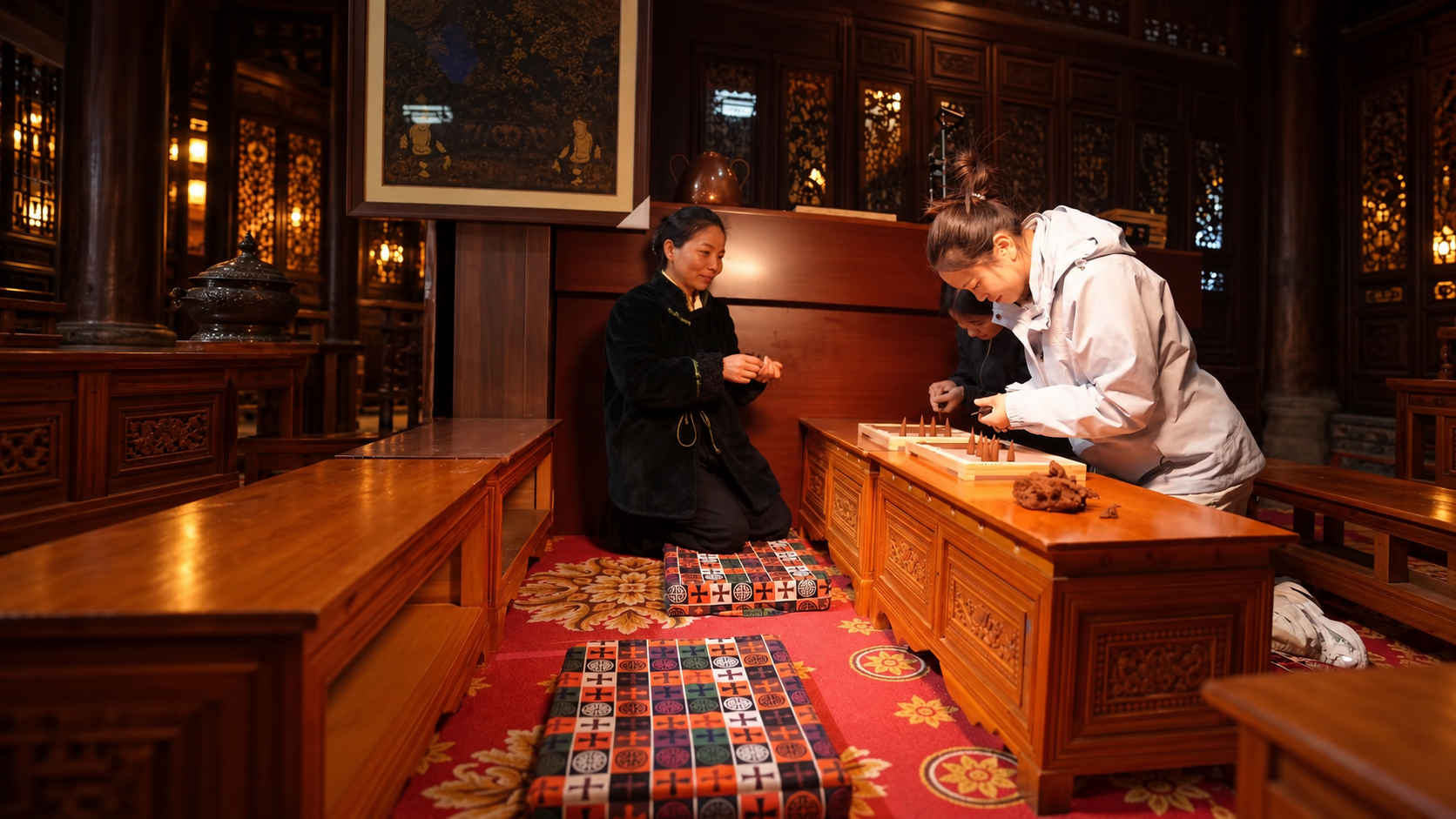
Experiences
Traveling shouldn’t just be about “seeing”. Learning Sichuan cuisine, wearing national costumes, going to a local market early in the morning, taking a green train - these little things are often the things that guests can't finish talking about after returning home. Experiences customized to your interests
Participate with your own hands,
Let the journey leave its mark.
From blue and white fabrics to fine brush paintings, from ceramic decoration to pattern creation. Slow down the pace, follow the demonstrations and give it a try, and get closer to local craftsmanship and daily life through participation.
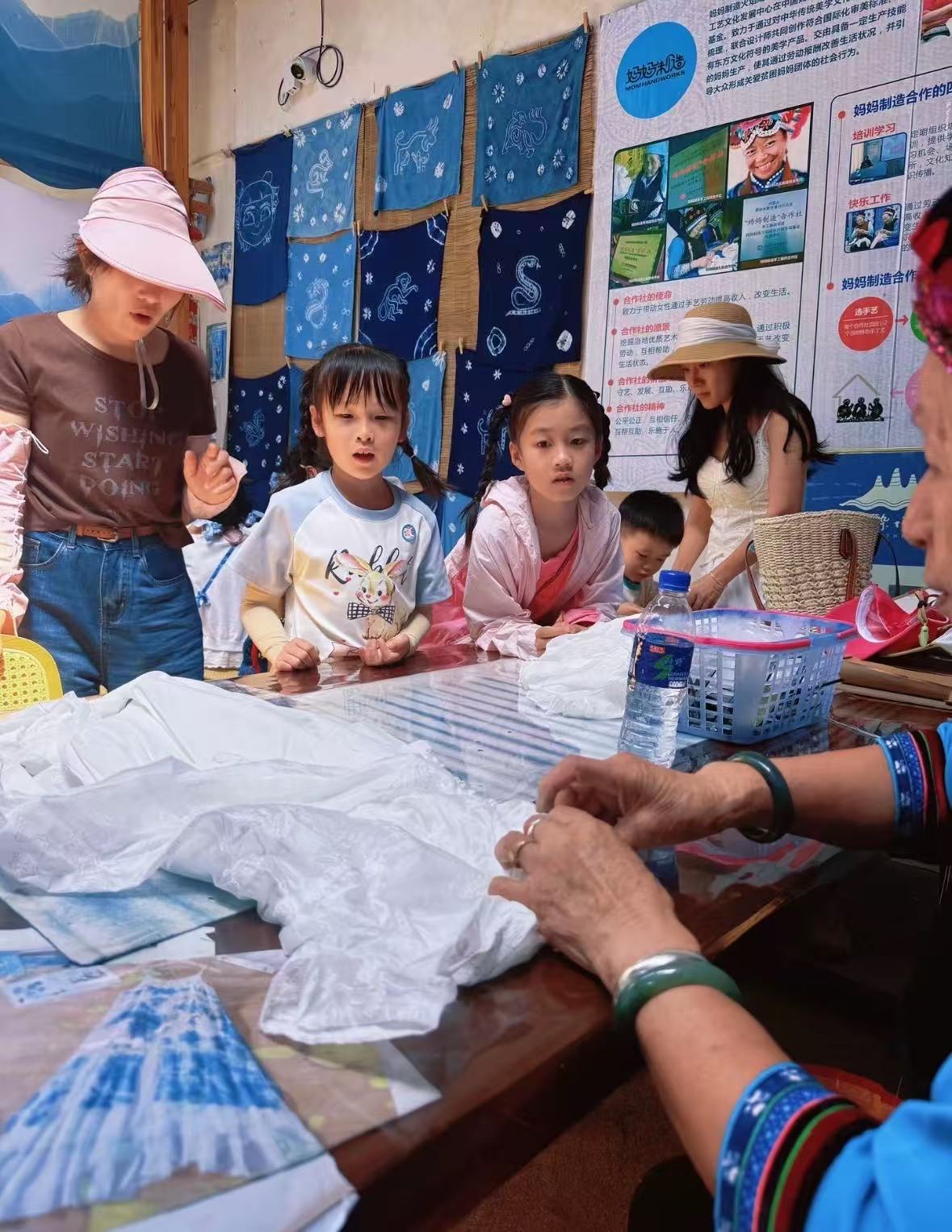
a piece of white cloth,
Unlock shared discovery.
Gather around the workbench and watch how a piece of white cloth is folded and tied, leaving different patterns. Adults and children try it out together. Through hands-on experience and communication, they learn about fabric craftsmanship and leave a shared memory of this journey.
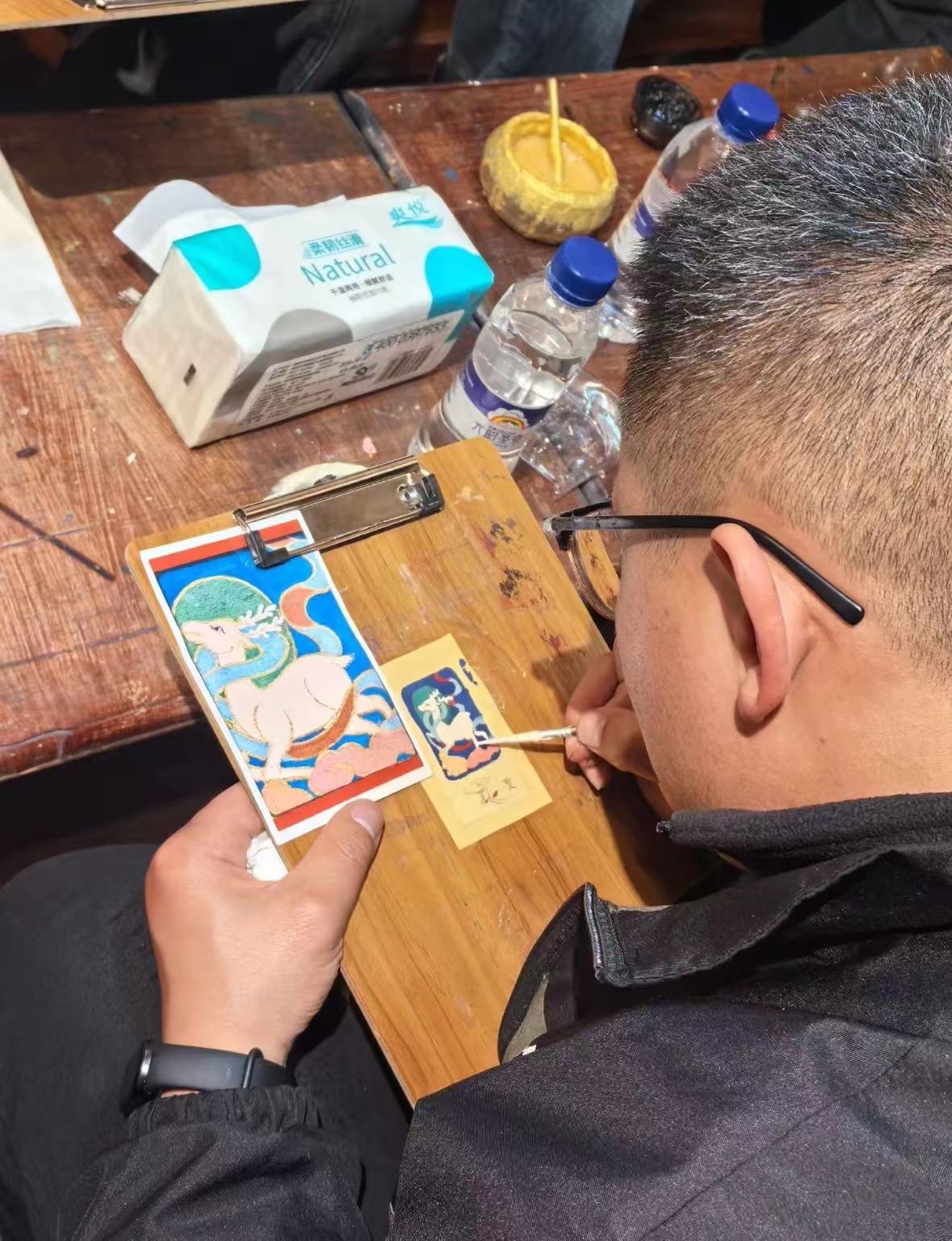
Draw one stroke at a time,
Get closer to traditional colors.
Choose colors, observe lines, and then slowly draw the pattern in front of you. The process of copying by hand makes the patterns that were originally only seen in the showcase become concrete; there is no need to pursue proficiency, and the concentrated strokes are the joy of experience.
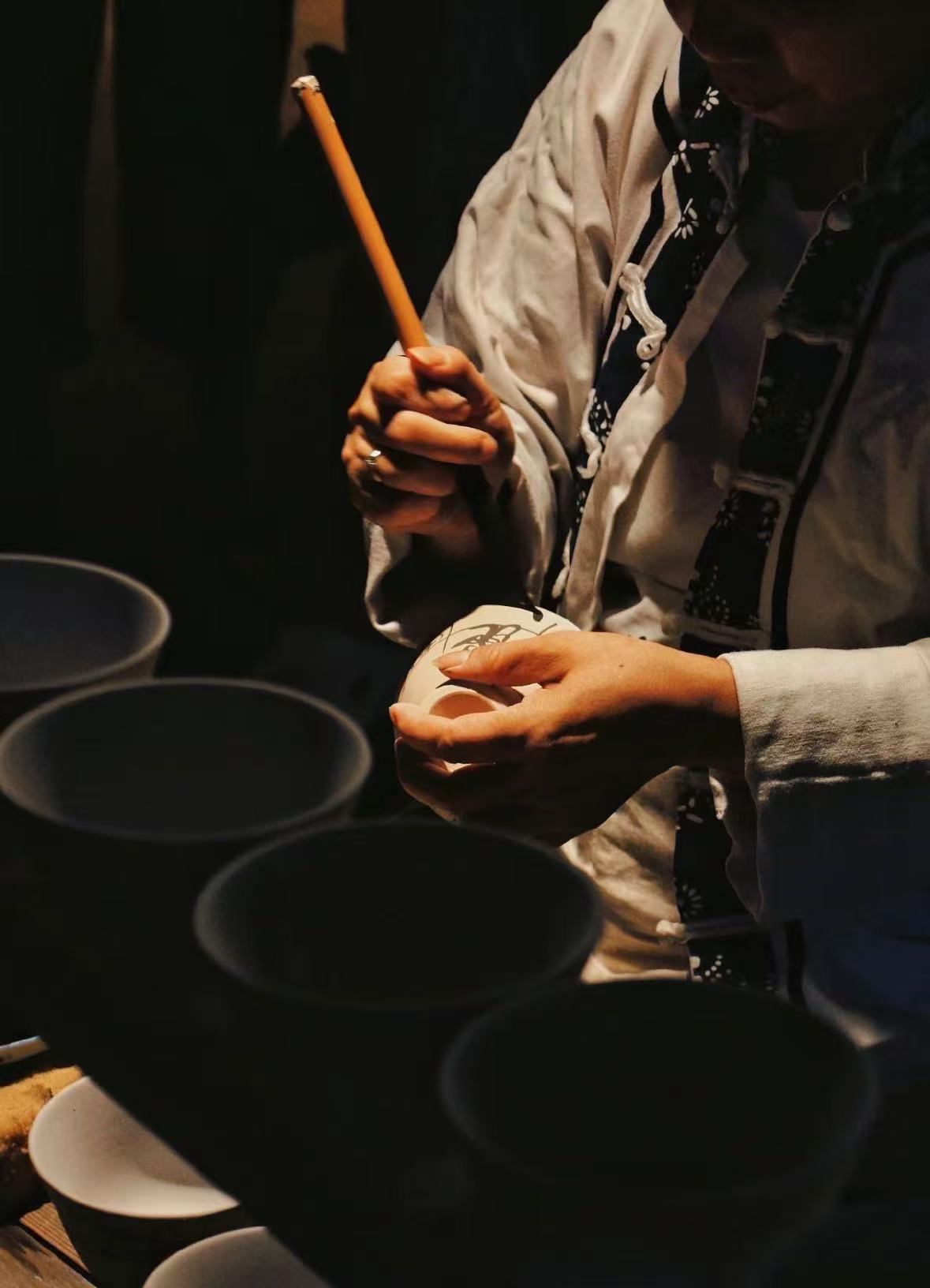
Fingertips put pen to paper,
Let the utensils have a heart.
Hold an object, feel its curvature and texture, and then try to leave your own patterns with a pen. From observing demonstrations to painting decorations by hand, you can experience the subtle relationship between hand strength, pen direction and materials.
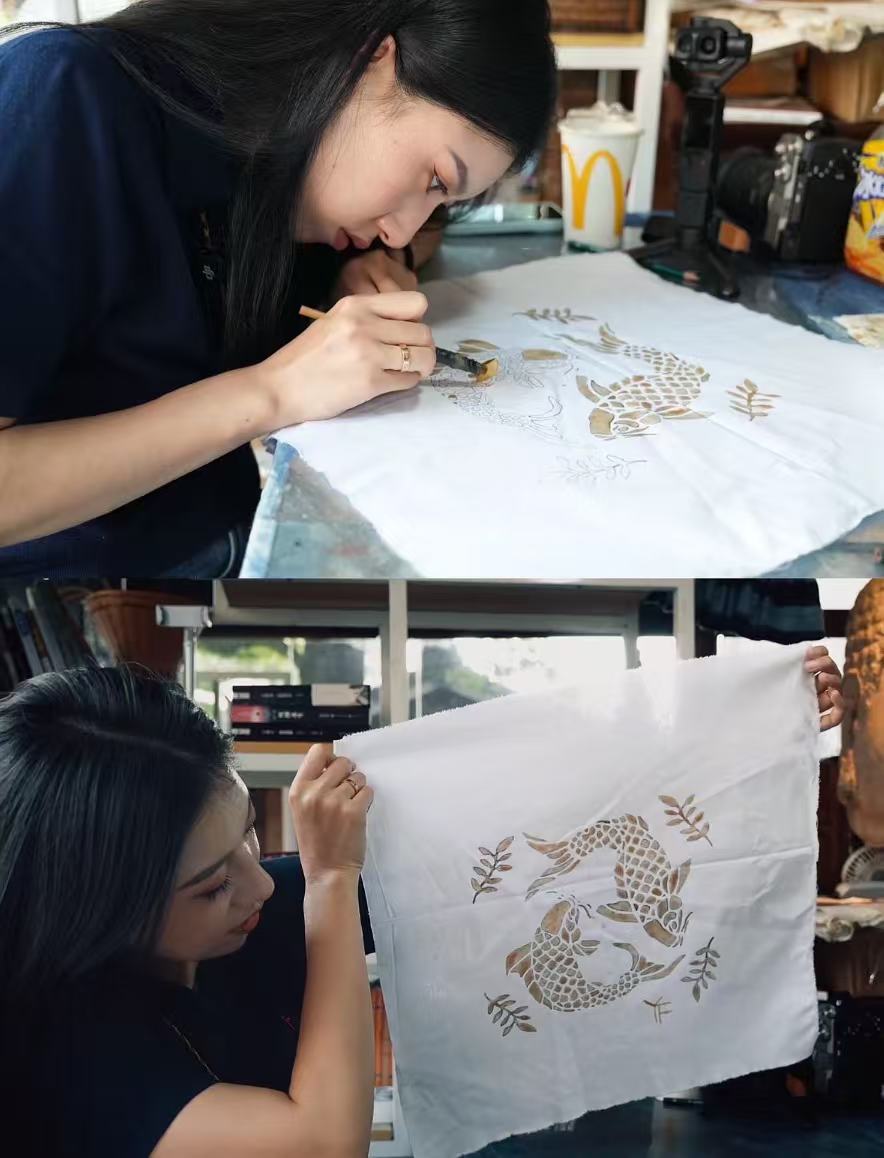
Put your favorite pattern,
Leave on one side of fabric.
Choose a pattern you like, slowly draw and color it, and watch it grow from an outline into a complete work. The concentration during production and the joy after completion make a hand-made experience a fragment that can be recalled repeatedly during the journey.
Read the full experience introduction
The excitement of traveling in China lies not only in appreciating the mountains and rivers and visiting historical sites, but also in personally participating in local cultural experiences. How a piece of white cloth is dyed with a blue and white pattern, how a thangka is presented through fine lines and colors, and how a ball of soil gradually takes shape on the rotating pottery wheel. These processes make culture concrete and vivid. Visitors can enter villages, workshops and art spaces, learn materials and techniques under the guidance of local teachers, and create a work with a personal imprint. This kind of trip can not only gain hands-on fun, but also gain a deeper understanding of a place through communication with craftsmen.
In Dali, Yunnan, Bai tie-dyeing is a representative experience. When entering the tie-dye workshop, visitors can start from a plain white cotton cloth, design their own pattern by folding, bundling or sewing, and then put the cloth into the dyeing solution. The parts that are tightly tied and the parts that are fully exposed to the dye solution will form different colors and levels. Once the fabric is dyed, cleaned and unfolded, a blue and white pattern gradually emerges. The most anticipated moment is the moment when the cords are unwound: seemingly simple folding and bundling may bring unexpected effects. The final handkerchief, scarf or bag is not only a souvenir of the trip, but also a record of the creative process.
The appeal of tie-dye is that it allows tourists to realize the experience and ingenuity in traditional crafts. The density of the pattern, the tightness of the threads, and the dyeing process will all affect the finished product. Local teachers often introduce common patterns with samples and talk about the connection between this craft and local life. Sit down in the courtyard and communicate while making, it is easier to leave an impression than rushing to watch a display. For parent-child tourists, tie-dyeing also provides an opportunity for co-creation. Adults and children can design their own designs and compare the changes in the works, allowing the cultural experience to be naturally integrated into the time together.
Thangka-related experiences are suitable for tourists who want to learn about traditional paintings and are willing to calm down and observe the details. Thangka is closely related to Tibetan culture and religious traditions, and its subject matter, composition, proportion and color have corresponding regulations. When participating in the experience, you can first listen to the teacher's introduction to the cultural background of thangka, understand the painting materials and basic steps, and then try outlining, color mixing or partial coloring according to the course schedule. Complete traditional thangka production requires long-term study and a lot of time. The significance of the short-term course is mainly to establish a preliminary understanding, experience the artist's patience with lines, colors and details, and understand the cultural connotation carried by the work with a respectful attitude.
Pottery is also a popular experience when traveling to China. In places like Jingdezhen, tourists can get in touch with the craft of porcelain making and try drawing, kneading, or painting porcelain. It is an intuitive and interesting feeling to place your hands on the wet soil, adjust the strength as the pottery wheel rotates, and watch the shape of the pot slowly rise. The first time you make it, you may not be able to get a very neat work, but the process of trimming the walls and shaping the contours can help people understand the technology behind a cup and bowl for daily use. If you choose the painting experience, you can draw flowers, plants, landscapes or personal favorite patterns during the journey on the utensils. Works that need to be fired usually have to wait for completion according to the workshop's arrangements, leaving a special expectation for the journey.
Batik and weaving and dyeing experiences allow visitors to understand fabric art from another perspective. In Guizhou and other places, some workshops will introduce how to use wax to draw patterns on the cloth, and then dye and remove the wax to form the pattern. Compared with tie-dye, batik emphasizes the lines and layout in the drawing process, and different techniques also show their own aesthetics. Experiences such as weaving and embroidery allow people to observe the details of the interweaving of warp and weft or the passing of needle and thread. A seemingly ordinary piece of cloth or embroidery often requires repeated practice to complete. After trying it with their own hands, tourists can more easily understand the value of handmade products and the long-term experience accumulated by craftsmen.
The experience of traditional Chinese calligraphy and painting provides a quiet and focused moment during the journey. By rolling out the rice paper and understanding the characteristics of the brush, ink and paper, and then starting to practice with simple strokes or flowers and plants, visitors can feel the relationship between the strength of the brush and the changes in ink. Calligraphy is not just about writing words, but also involves structure, rhythm and gestures; ink painting also expresses artistic conception through shades, white spaces and lines. Even if you have no foundation, you can complete a simple work under the guidance of a teacher, leaving your name, blessings or travel feelings on the paper, and gain an experience different from daily writing.
Paper cutting, printmaking and seal making are also suitable for participating in travel. Paper-cutting starts with folding and cutting, turning ordinary paper into flowers, animals or auspicious patterns; traditional woodblock printing experience allows visitors to observe the process of inking, covering and rubbing, and understand how patterns are transferred from the layout to the paper; seal-related courses can introduce the basic knowledge of seal cutting and let people understand the relationship between text and composition. These projects usually have different difficulty options. Visitors can participate according to time and interest. While completing the works, they can understand the expression of traditional patterns and text art.
The tea culture experience combines hands-on participation with taste experience. In tea-producing areas or tea culture spaces, visitors can learn about the shapes and aromas of different tea leaves, observe brewing methods, and compare the effects of water temperature and steeping time on the taste. Some places also provide tea picking or tea making sessions in appropriate seasons, allowing people to understand the changes that tea undergoes from fresh leaves to finished products. Sit down and sip a cup of tea, listen to the locals talk about planting, making and drinking tea habits, and feel how the water and soil of a place affect daily life. The exchanges at the tea party often slow down the pace of travel and allow time for careful feelings.
Making local food is another experience that can easily bring tourists closer to local life. Follow the teacher to make dumplings, make dim sum, make rice or learn a local dish. You can learn about food culture from the ingredients and operation process. Mixing dough, mixing stuffing, shaping and cooking, every step contains experience and is often accompanied by stories about family and festivals. Compared with simply tasting it, it is easier to remember the characteristics of a food by making it with your own hands. Parents, children, friends or partners can participate together, creating relaxed interactions in collaboration, and finally sharing the results together, making a meal a vivid memory during the journey.
When choosing a cultural experience, it’s worth noting just what you can take away as a finished product, but also what you can learn in the process. A good experience usually clearly introduces the cultural background, materials and procedures, gives tourists appropriate hands-on opportunities, and also leaves time for communication and questions. Different projects require different levels of concentration and duration. Some are suitable for easy attempts, while others are more suitable for slow learning. Choose according to your age, interests and itinerary pace, and make the experience truly integrated into the trip to gain more fun.
From introduction to tie-dyeing and Thangka painting, to pottery, batik, calligraphy and painting, and local food, China's rich cultural experience provides tourists with a way to get closer to the local area. A hand-made work may not be perfect, but it preserves the mood at that time, the teacher's guidance and the memory of joint participation. When travel moves from viewing to participating, culture is no longer just an introduction in a showcase, but becomes a life content that can be touched, learned and communicated with. These fragments, done by hands and created by people, are often still remembered clearly after the journey is over.
Take the experience you are interested in,
Put it into the next journey.
Tell us what you want to try and work together to confirm the destination, available experiences and a pace that suits you.