


Yunnan · Lijiang
Blue Moon Valley
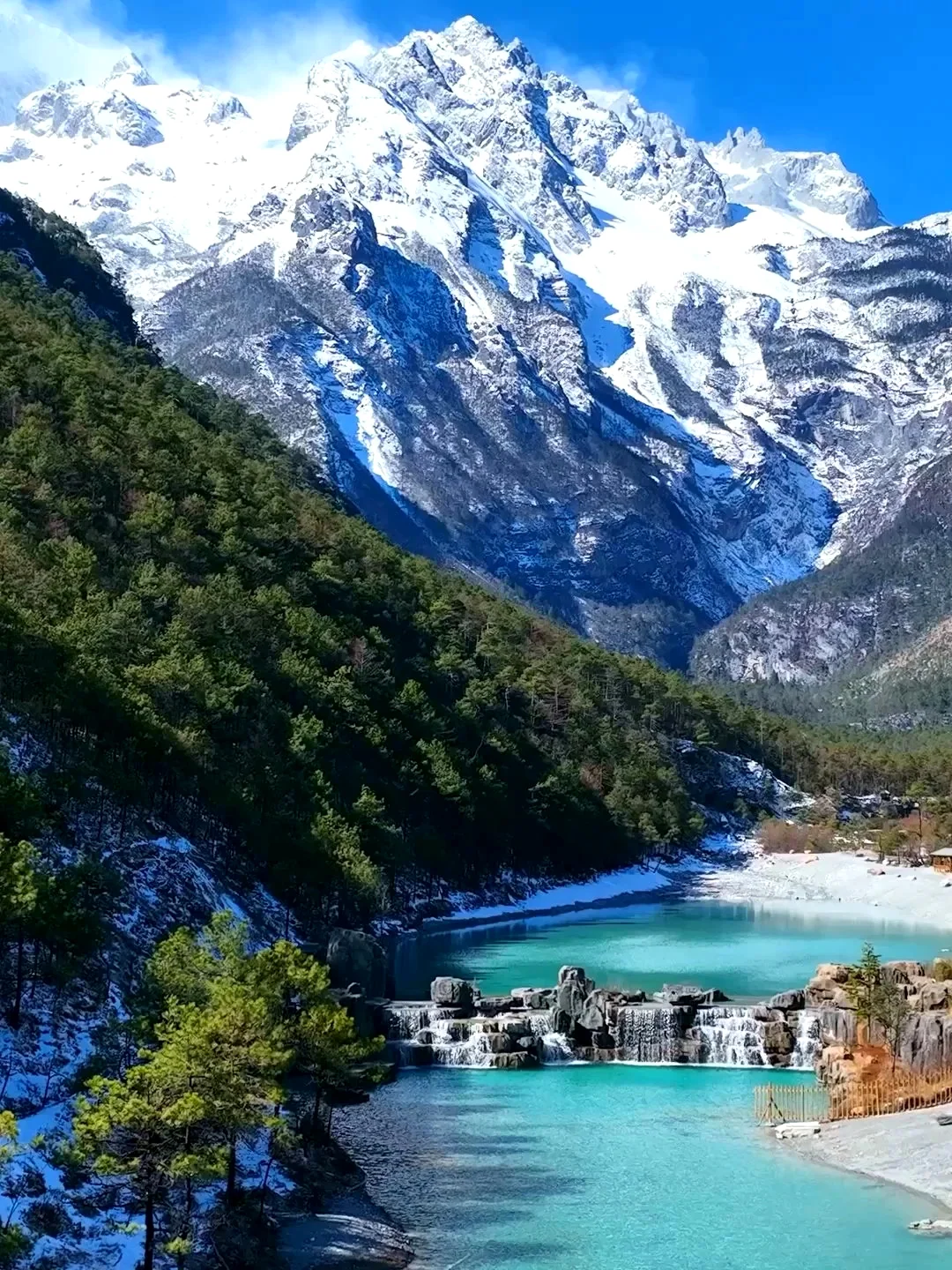
Blue Moon Valley is located in the Yulong Scenic Area in Lijiang. It is a stop for many tourists to get to know the water scenery at the foot of the mountain during their snow mountain itinerary. The lake, stepped water surface, trees and distant mountains together form layers. The blue and green colors are particularly eye-catching on sunny days. This is different from the ropeway experience high in the snowy mountains. It is more suitable for walking slowly along the open trails and observing the relationship between water and mountains from different angles. Set it aside as a stop-and-go tour so you can appreciate the details of the landscape better than just snapping photos between traffic connections.
The water color of Blue Moon Valley is the most intuitively attractive, but the color is not always the same as the promotional photo. Weather, light, water condition and viewing angle will all affect the visual experience. Cloudy days may be softer, and there may also be significant changes after rain. Rather than just looking for one saturated blue, look at the differences between the water near the bottom, the reflection on the shore, and the water beyond. The same water feature changes levels in just a few steps, and this subtle change is also a reason to walk slowly along the trail.
The path between the lake shore and the water allows visitors to constantly adjust their viewing distance. Close to the water's edge, you can see rocks, shallow water and small-scale currents; when you walk to an open position, trees and mountains become a complete background. The difference between different water surfaces brings sound and movement, and also enriches the experience beyond still photos. When shooting, you can alternately record panoramic views and details, so you don’t have to wait for a long time in the most crowded seats. It's usually easier to find a comfortable place to stay if you get out of the way and follow the direction of the tour.
Yulong in the distance provides an important background for Blue Moon Valley, but whether the peak is fully exposed depends on cloud cover and weather. Even if the mountain is obscured by clouds, nearby water features, woods and rocks can still become the focus of viewing. Snowy mountains, forests and valleys are not independent attractions. They together form an environment that changes from high to low. You can understand this connection through scenic spot explanations and signs, instead of simply attributing every water color or terrain to some romantic legend.
The tour of Blue Moon Valley needs to be coordinated with the traffic in the Yulong scenic area. Different ropeways, vehicles and walking sections cannot be mixed into the same project. After arriving, choose the length of your stay according to the open routes of the day. When taking elders and children with you, you can reduce repeated trips and arrange your rest at a suitable location. The weather in mountainous areas changes quickly, so it is better to add or remove clothing easily, and pay attention to sun protection on sunny days. Waterscapes are suitable for viewing. You should not enter the water, climb over guardrails or trample on shore vegetation for the purpose of taking pictures. Only by protecting a clean environment can the landscape continue to exist.
If activities high in the snowy mountains are also planned that day, Blue Moon Valley can be used as a slower-paced section, but it should still be adjusted according to your physical condition, and it is not necessary to complete all areas. If you prefer photography and nature observation, you can also reserve more time for the valley. The most moving part is that the water connects the distant mountains, the sky and the nearby trees: sometimes it is reflected clearly, sometimes it is broken by the wind, and sometimes it becomes quiet under the clouds. Seeing these changes, Blue Moon Valley is not just a photo of the "blue lake", but a warm memory of a trip to the snowy mountains.
Journeys that include this place
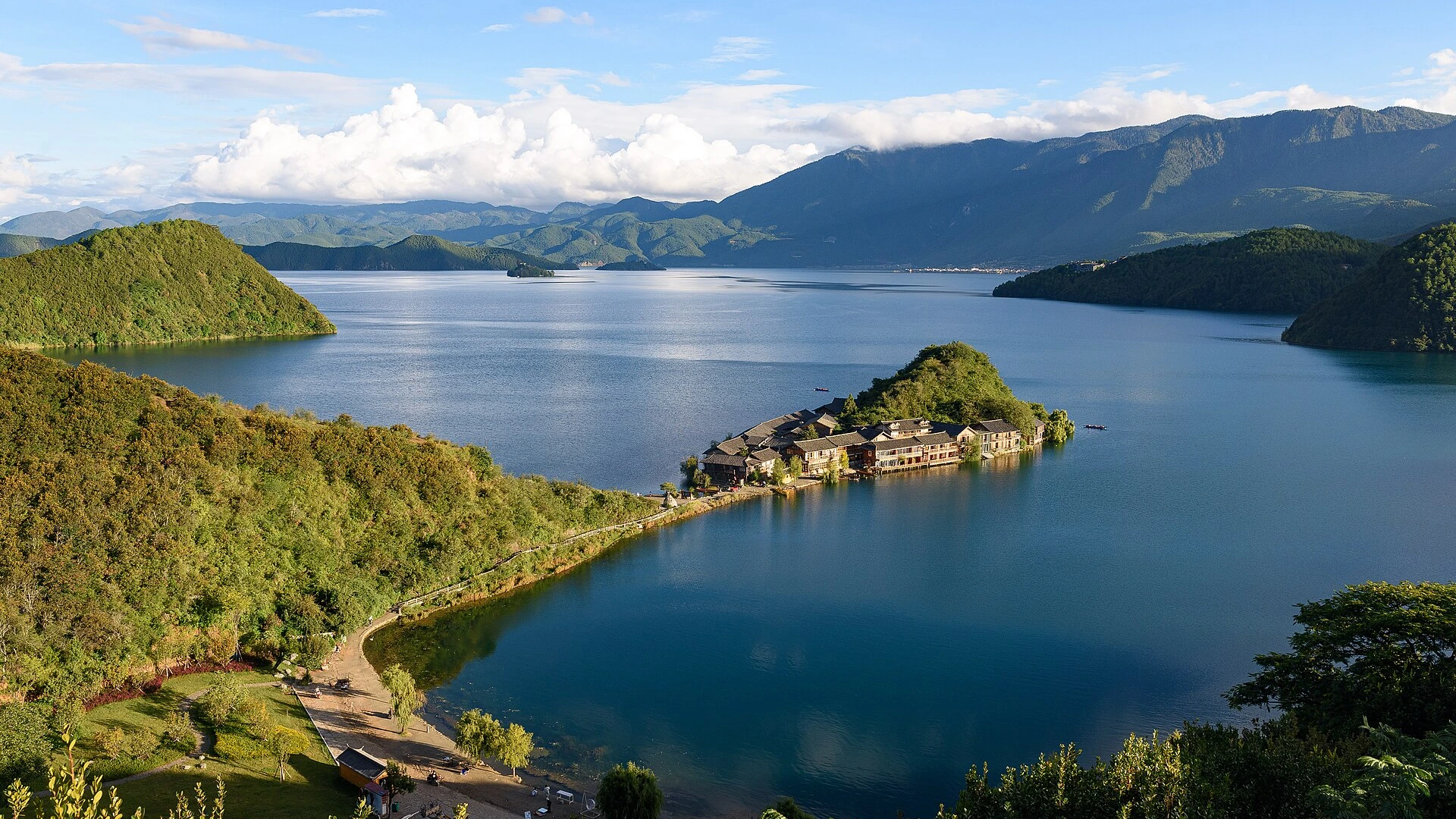
Kunming · Dali · Lijiang · Lugu Lake
Outside of Dali and Lijiang, stay one night on Lugu Lake, take a pig trough boat ride to see the lake, and walk into Caohai and Mosuo life.
View itinerary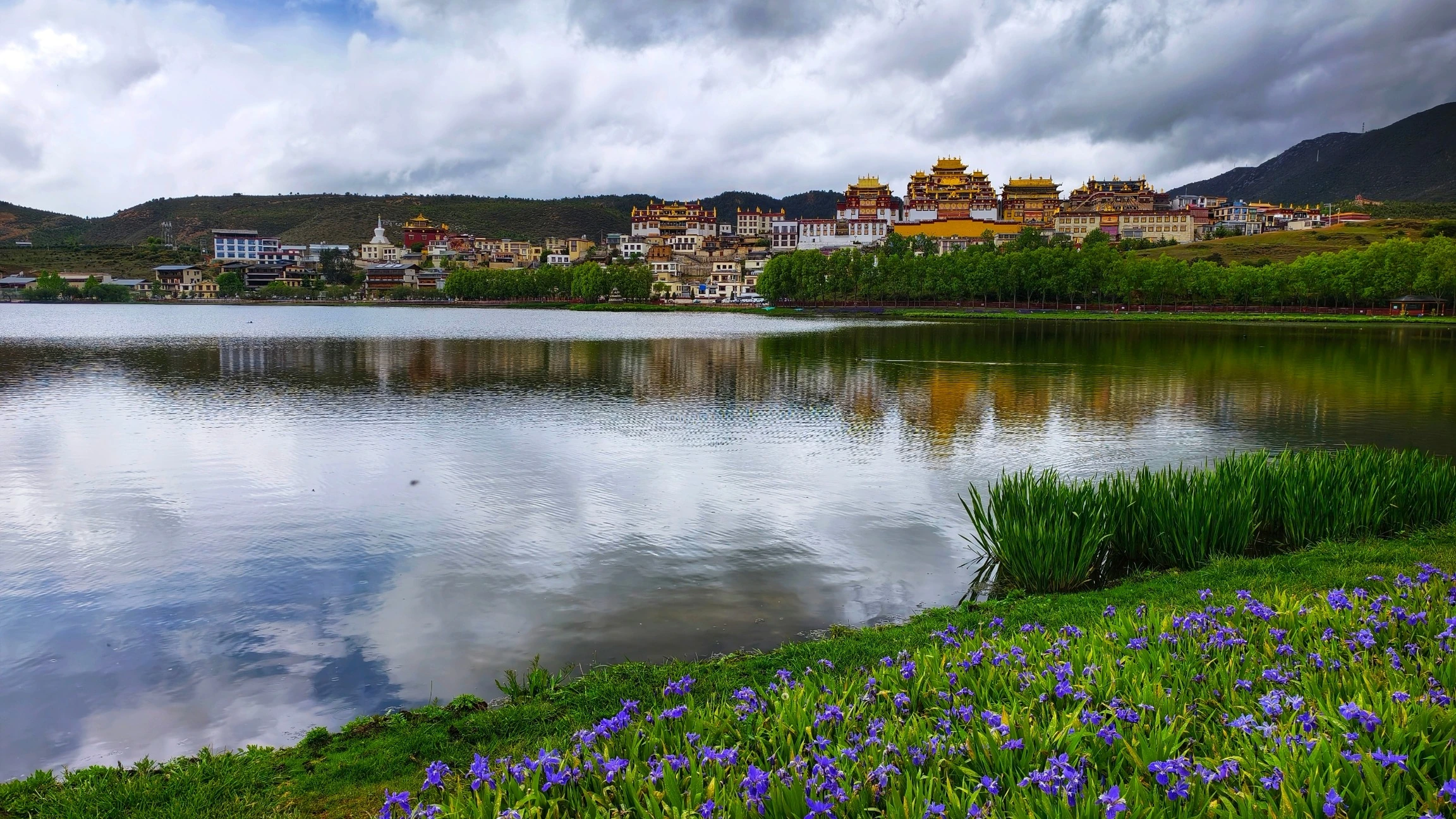
Kunming · Dali · Lijiang · Shangri-La
Starting from Erhai Lake and the ancient city, we enter Shangri-La via Tiger Leaping Gorge, and experience the other side of the plateau at Dukezong and Pudacuo.
View itinerary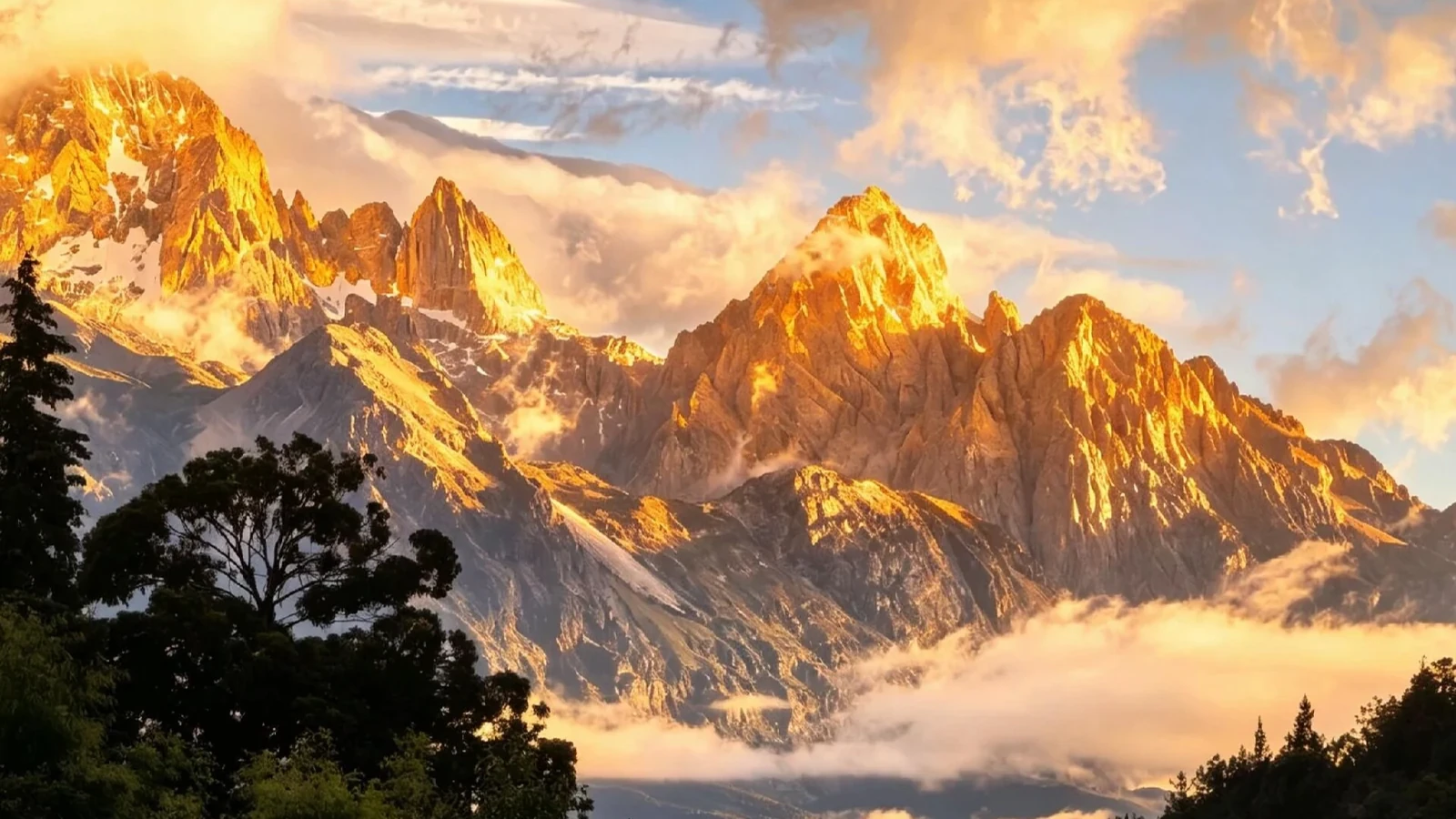
Kunming · Dali · Lijiang · Shangri-La · Lugu Lake
Nine days connect two kinds of scenery: first walk into the canyons and forests of Shangri-La, then stay overnight at Lugu Lake, and return to Lijiang to see the snow-capped mountains.
View itinerary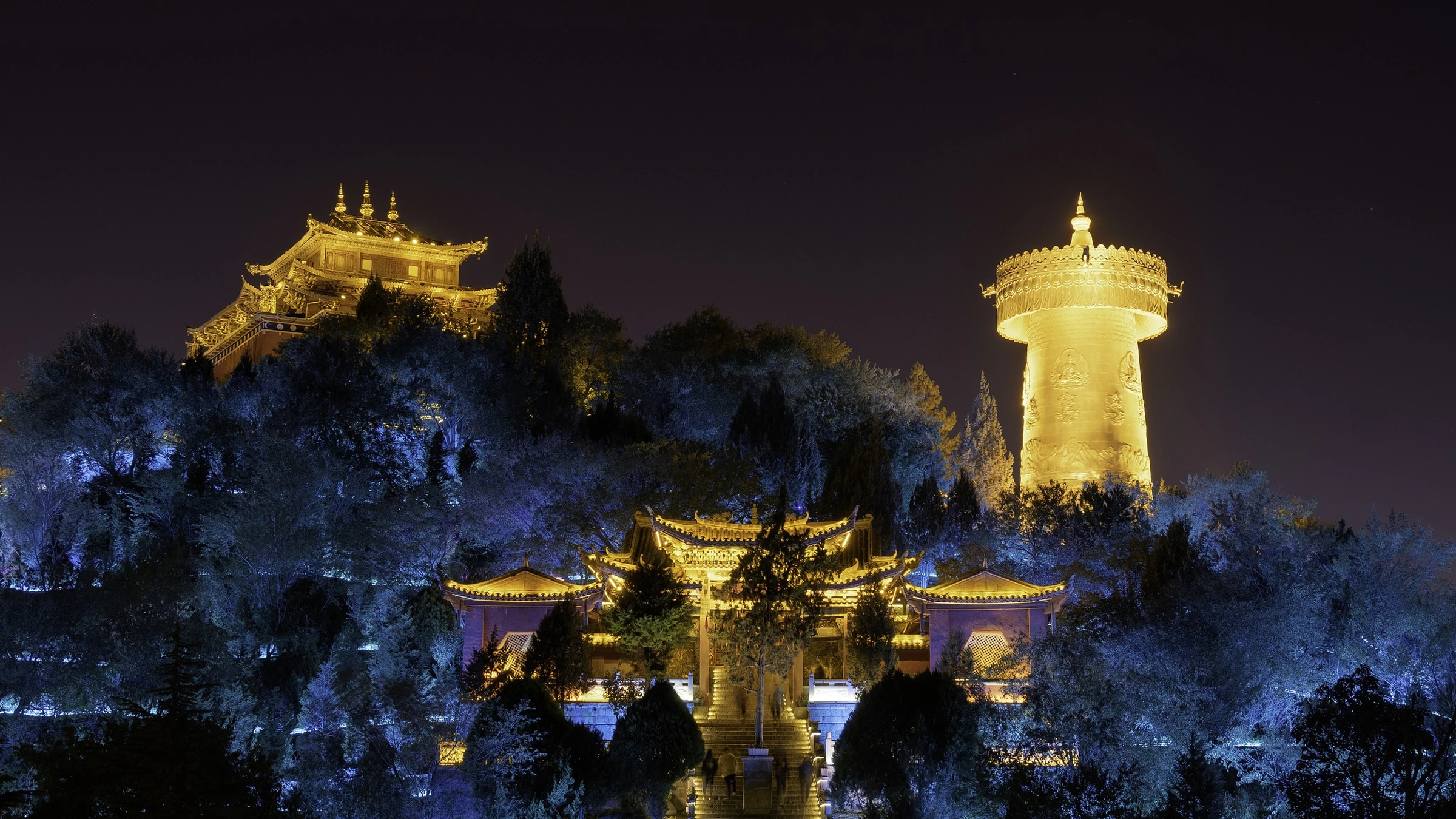
Kunming, Dali, Lijiang, Shangri-La and Lugu Lake in 10 days
Walk among the pinnacles of the Stone Forest, follow Erhai’s shores and cross Tiger Leaping Gorge on the way to the high plateau and Lugu Lake.
View itinerary
Yunnan Collection | Kunming, Dali and Lijiang in 6 Days
Walk the wetlands and old streets of Kunming, then take the train to Dali. Explore Bai villages on one shore of Erhai Lake and try tie-dye on the other before visiting Spruce Meadow, Blue Moon Valley and Shuhe in Lijiang.
View itinerary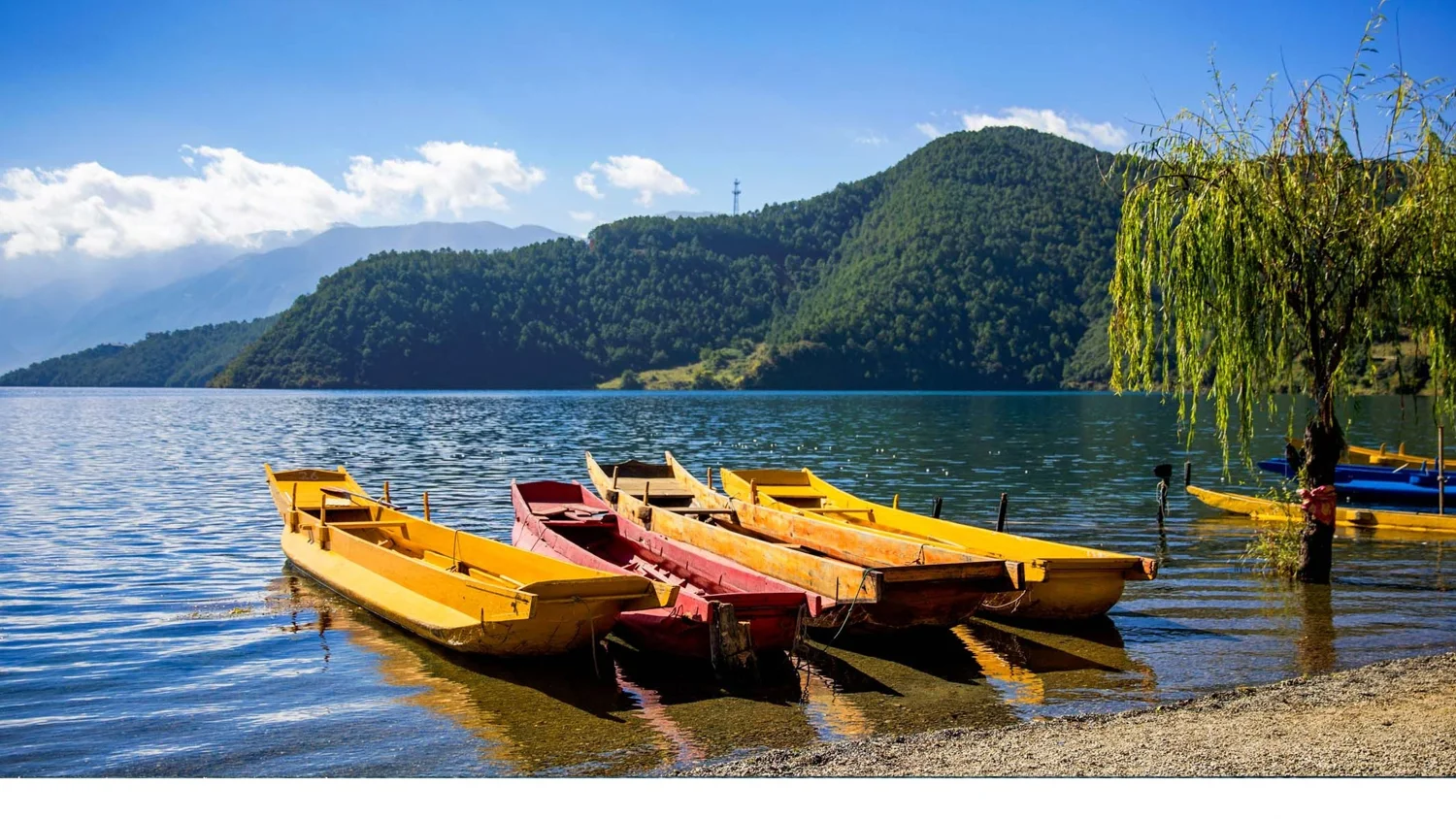
Yunnan Collection | Kunming, Dali, Lijiang and Lugu Lake in 8 Days
Continue beyond Erhai Lake and Jade Dragon Snow Mountain for a night at Lugu Lake. Take a wooden boat to Liwubi Island, visit a Mosuo village and cross the reed marsh on foot before the sleeper train from Lijiang back to Kunming.
View itinerary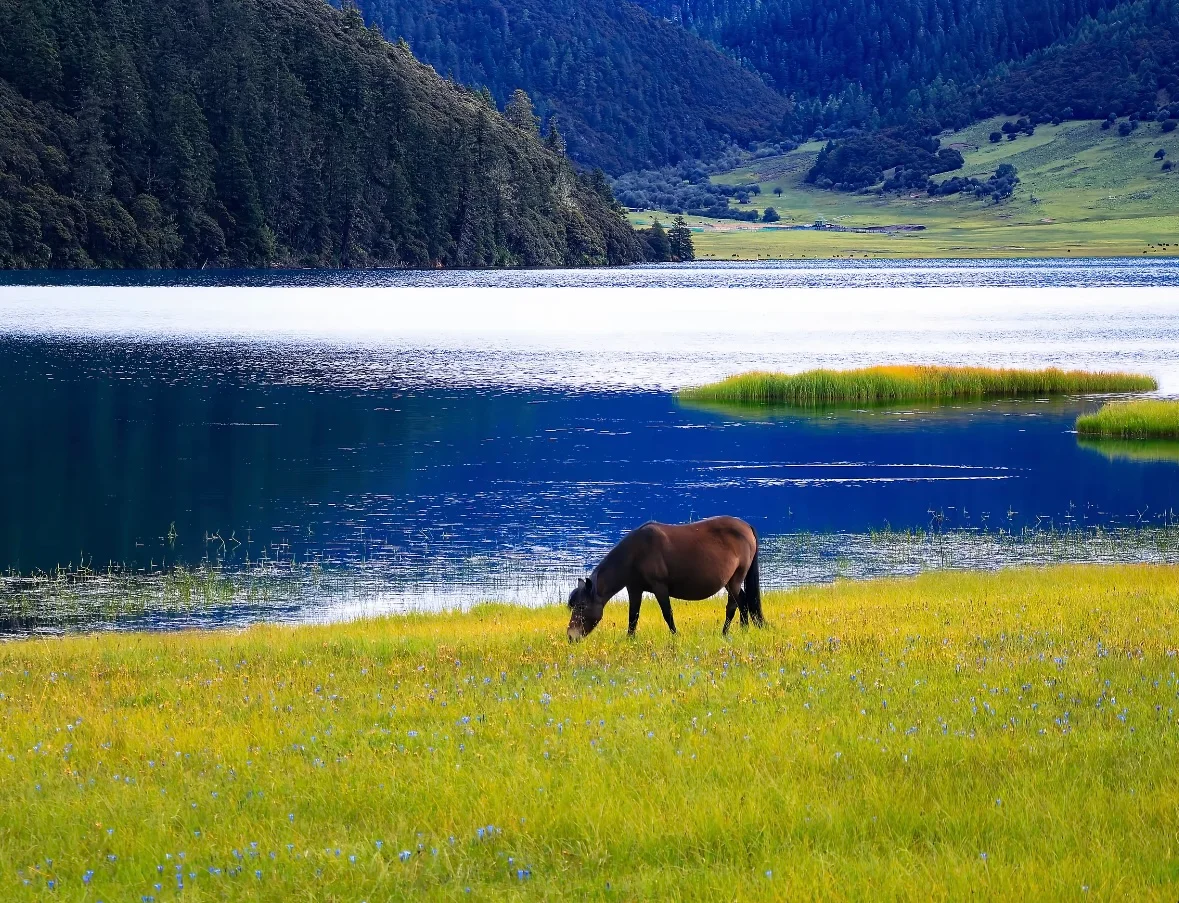
Yunnan Collection | Kunming, Dali, Lijiang and Shangri-La in 8 Days
Travel from Erhai Lake and Lijiang Old Town to the Jinsha River gorge and the forest lakes of Pudacuo. Spend the night in Shangri-La, then explore Dukezong and visit a Tibetan home before returning via Lijiang.
View itinerary