


Yunnan · Shangri-La
Meili
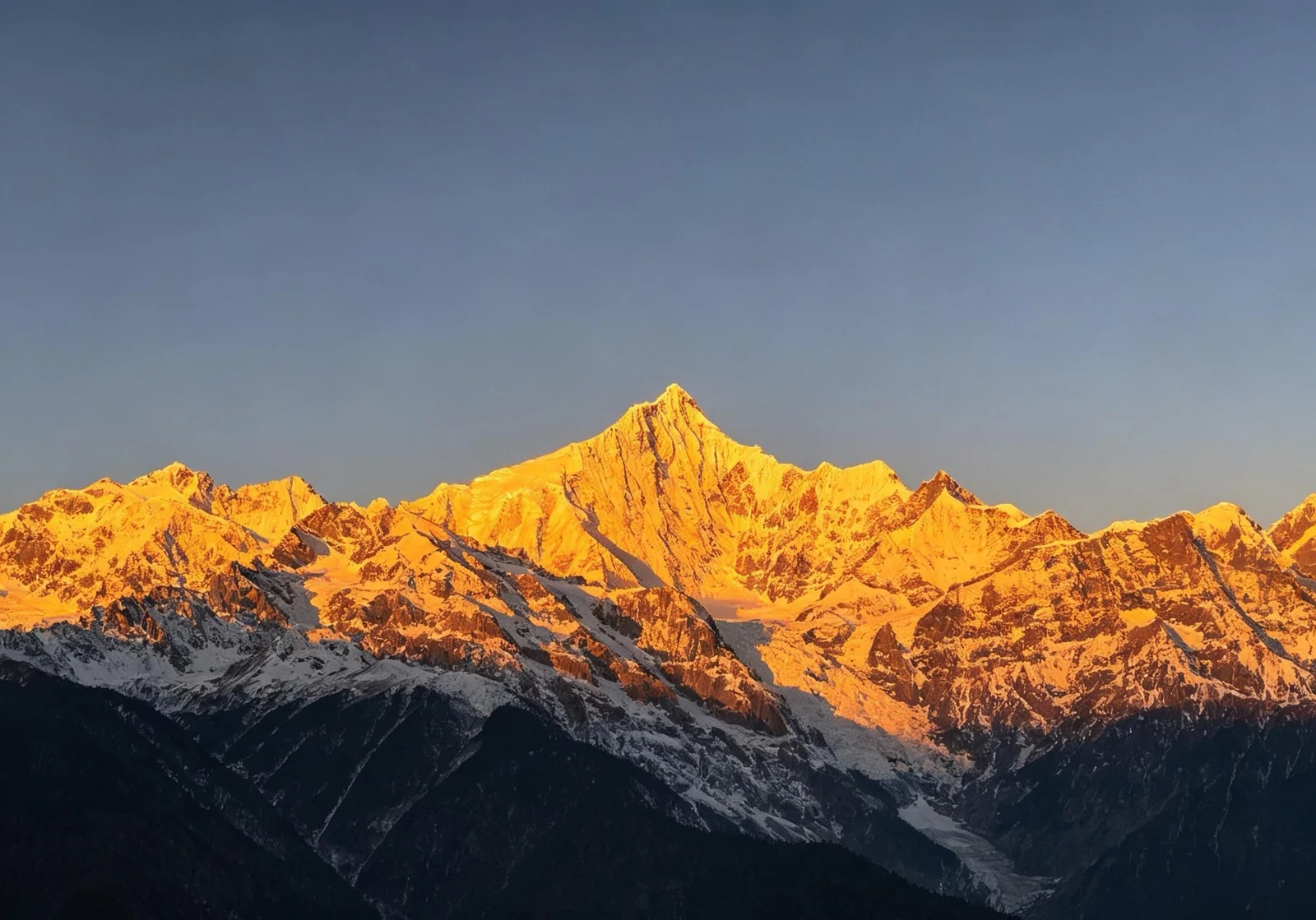
Meili is located in the Deqin area of Diqing, Yunnan. It is a highly recognizable snow peak group in the Hengduan Mountains. For most travelers, the way to get to know Meili is to look at it from the viewing area, rather than climbing to the top. The mountain rises upward from the deep valley, and the snow line, rock walls and clouds form a strong vertical scale. The main peak, Kawagebo, is of great significance in the local Tibetan culture, so the process of viewing the mountain also includes respect for local beliefs and the mountain environment.
Many people come to Meili because of the "Rizhao Jinshan". Before sunrise, the peaks often show a cool outline; if the weather and lighting conditions cooperate, the sunlight will gradually light up the snow peaks, and the color will also change in a short period of time. But this is not a regular show every day. Clouds and fog may cover the mountains all night long, or they may suddenly open up during the day. Rather than pin the success or failure of your trip on a few minutes of scenery, give yourself a little more time to observe what the mountains look like in different weather conditions.
The Feilai Temple area is a common mountain viewing area, and other locations along the way provide different angles. When choosing accommodation or a place to stay, you can first confirm the orientation, view and actual traffic conditions instead of just looking at room photos. The temperature is cooler in the early morning as you wait for the light, so warm clothes and hot drinks will make the experience more calm. When taking photos, you don’t have to constantly change the camera position, fix a safe position, and record the process of the same mountain peak from dark to bright. On the contrary, it is easier to see the subtle changes.
The villages, temples and mountain roads surrounding Meili together form a more complete local picture than the observation deck. Understanding how the mountains are called locally and how to understand the relationship between mountains and water will give the scenery in front of you more layers. When entering religious spaces, you should follow the on-site requirements and ask for permission before photographing people. Don’t simply treat activities with religious significance such as mountain climbing as ordinary hiking products, nor should you enter unopened mountain areas just to chase excitement.
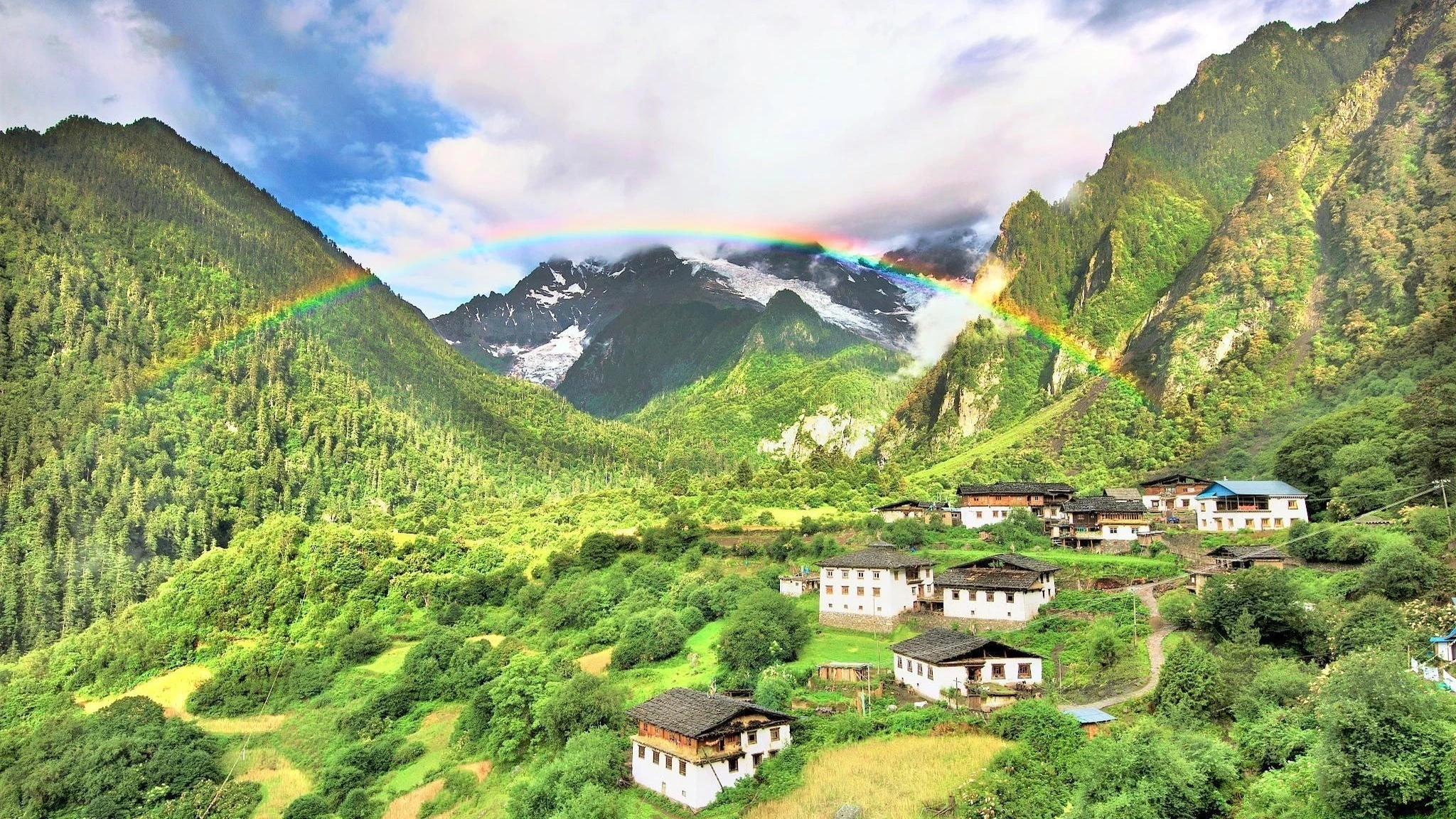
Yubeng often appears in Meili-related itineraries, but looking at the snow-capped mountains in the distance and hiking into Yubeng are arrangements of different intensities. The latter involves transport connections, walking, elevation changes and accommodation, and requires separate assessment of physical strength and weather. If you just want to see the snow-capped peaks quietly, it is enough to choose sightseeing and stay in the village. If you plan to hike, you should put rest, equipment and local route conditions first, and don't think of "it's all here" to temporarily add sections that exceed your capabilities.
Meili usually connects with Shangri-La, along the Jinsha River or in the direction of Lijiang. Mountain road itineraries cannot be estimated based on map distance alone. Flexibility must be reserved when encountering rain, snow, and road adjustments. After a continuous journey, it is more valuable to arrange a full night's rest than to add another viewing point. Whether you encounter the golden snow peaks or not, Meili is worth watching in a quiet way: letting your eyes rise from the valley to the clouds, understanding the scale of the mountains, and accepting that nature does not reveal its full face according to human plans.
Journeys that include this place
Lijiang, Meili Snow Mountain, Yubeng, Daocheng Yading and Lugu Lake
Starting in Lijiang, travel through Shangri-La and spend two nights in Yubeng to walk to the Sacred Waterfall and Ice Lake. Cross into Sichuan for Yading, then return to Lijiang by way of Lugu Lake.
View itinerary