



Yunnan · Lijiang
Yulong
Yulong is located in the north of Lijiang. On a clear day, you can see the continuous mountain peaks from the suburbs of the city. White peaks, dark rock walls, coniferous forests and foothill meadows stack up in layers, forming Lijiang’s highly recognizable skyline. This is not only a natural landscape, but also an important mountain in Naxi culture. When you come to the snow-capped mountains, what is worth paying attention to is not just "how high you reach", but how the trees, water flow, air and people's walking rhythm change with the change of altitude.
The experience of different tourist areas in the snowy mountains varies greatly. Yunshanping is famous for its forest planks, meadows and views of snowy peaks; other cableway areas may bring rock walls and ice and snow landscapes at higher altitudes. They are not the same program that can be interchanged at will, and appointments, transportation and physical requirements are different. When choosing a route, you should first figure out the area you want to go to, and then decide based on the conditions of the people traveling with you, instead of judging the entire snow mountain tour method based on just one photo.
Walking into the forest at the foot of the mountain, the scenery will change from the majestic peaks in the distance to the details up close. The moss on the tree trunks, the light spots in the forest and the vegetation on the edge of the meadow all show the layers of mountain ecology. When the weather is good, the snow-capped peaks may unfold clearly; when clouds and mists come in, the mountains will appear and disappear. The attraction here includes this variety. Even if you don't encounter the entire blue sky, you can still read the different expressions of the mountain between the trees, clouds and rock walls.
Blue Moon Valley is often connected with snow mountain tours. The contrast between the lake, white riverbed and distant mountain walls is perfect for slowing down after a major mountain tour. However, mountain cableway and valley walking are different experiences, and "visiting Blue Moon Valley" cannot be equated with climbing to a high-altitude viewing area. When arranging, you need to consider transfers, queuing and dining, and give each area time to really stop and admire the scenery instead of turning the whole day into a continuous train change.
High altitude and mountain weather are conditions that must be faced in trip design. You should choose a route according to your ability, slow down your walking speed, and prepare clothing suitable for temperature changes; if you experience obvious discomfort, you should stop ascending in time and seek on-site help. On sunny days, the sun is strong, but when the wind picks up, it can quickly turn cold. Ropeways and trails will be affected by weather and maintenance. The specific opening arrangements are subject to the information of the scenic spot on that day. It is not appropriate to regard a certain project as a promise that it will be completed.
Starting from Lijiang, the Yulong tour can be arranged separately from the foothill villages such as Baisha and Yuhu, forming two rhythms of seeing the mountains and understanding the local culture. When taking photos, you can not only take pictures of peaks, but also use forests, meadows or valley water as the foreground to give the mountains a clearer scale. Don’t enter closed areas to chase plane spots, and don’t ignore your physical sensations in the rush. Leaving room for snow-capped mountains can often lead to a more comfortable and complete memory than a full schedule.
Journeys that include this place
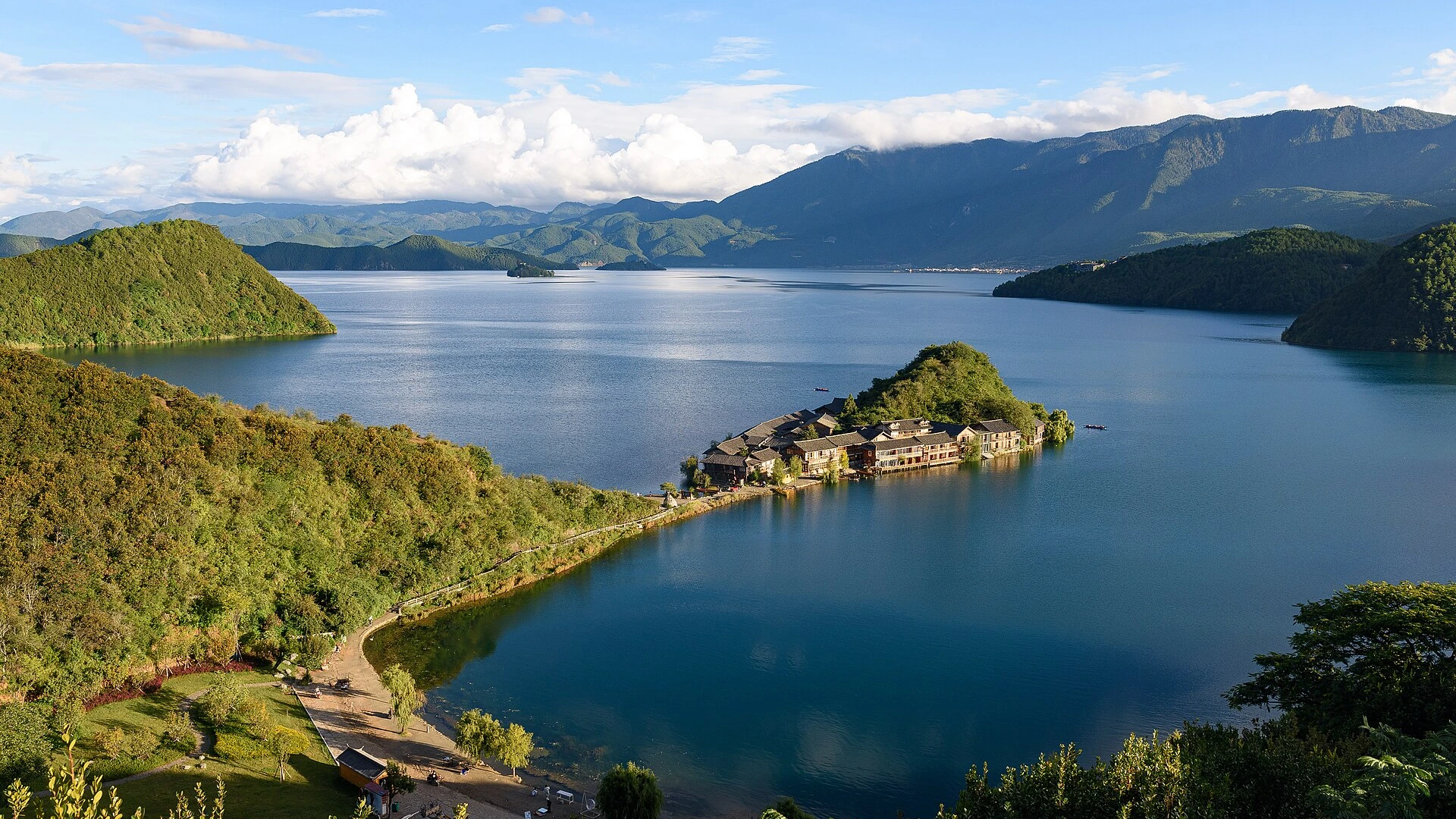
Kunming · Dali · Lijiang · Lugu Lake
Outside of Dali and Lijiang, stay one night on Lugu Lake, take a pig trough boat ride to see the lake, and walk into Caohai and Mosuo life.
View itinerary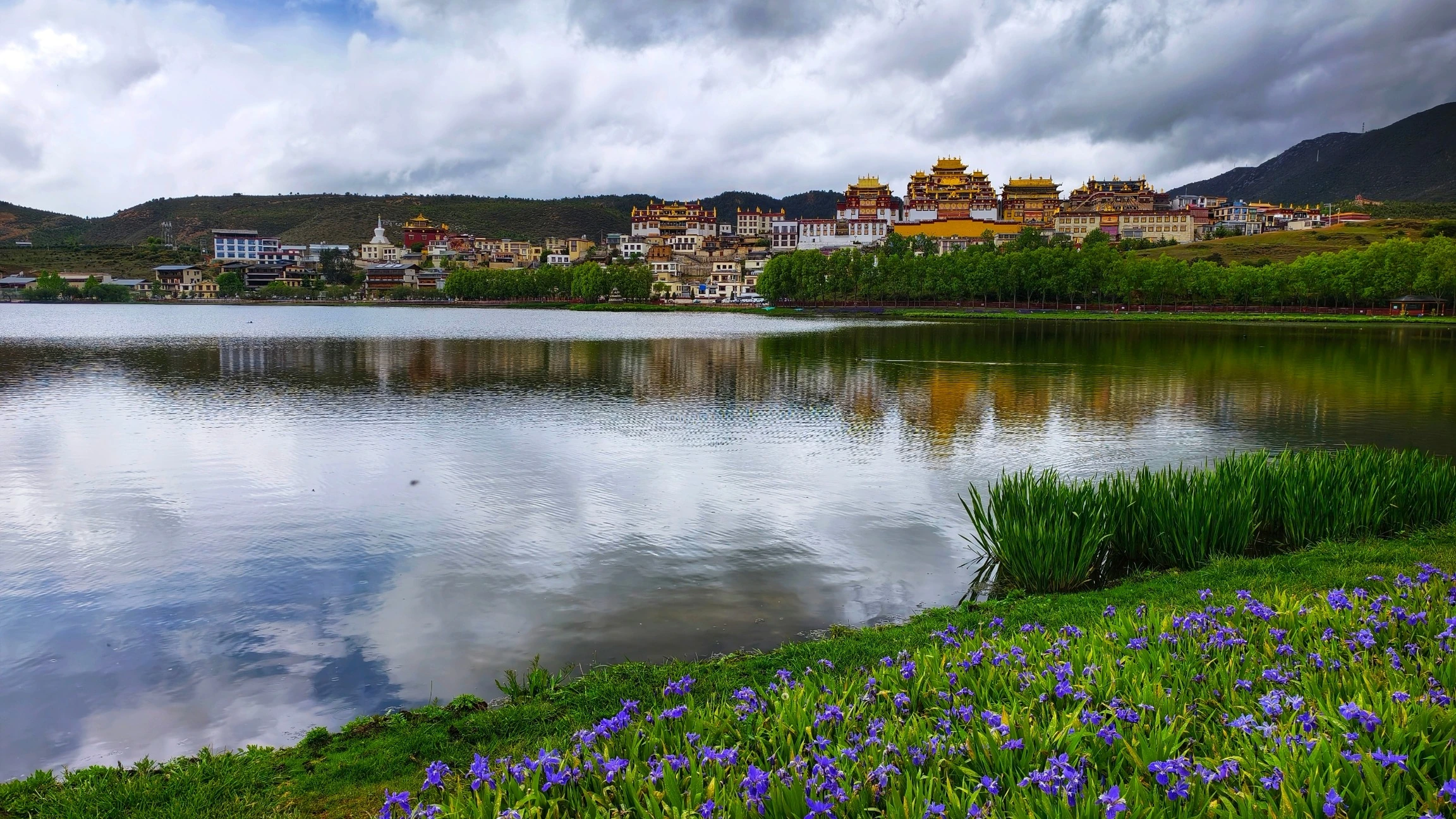
Kunming · Dali · Lijiang · Shangri-La
Starting from Erhai Lake and the ancient city, we enter Shangri-La via Tiger Leaping Gorge, and experience the other side of the plateau at Dukezong and Pudacuo.
View itinerary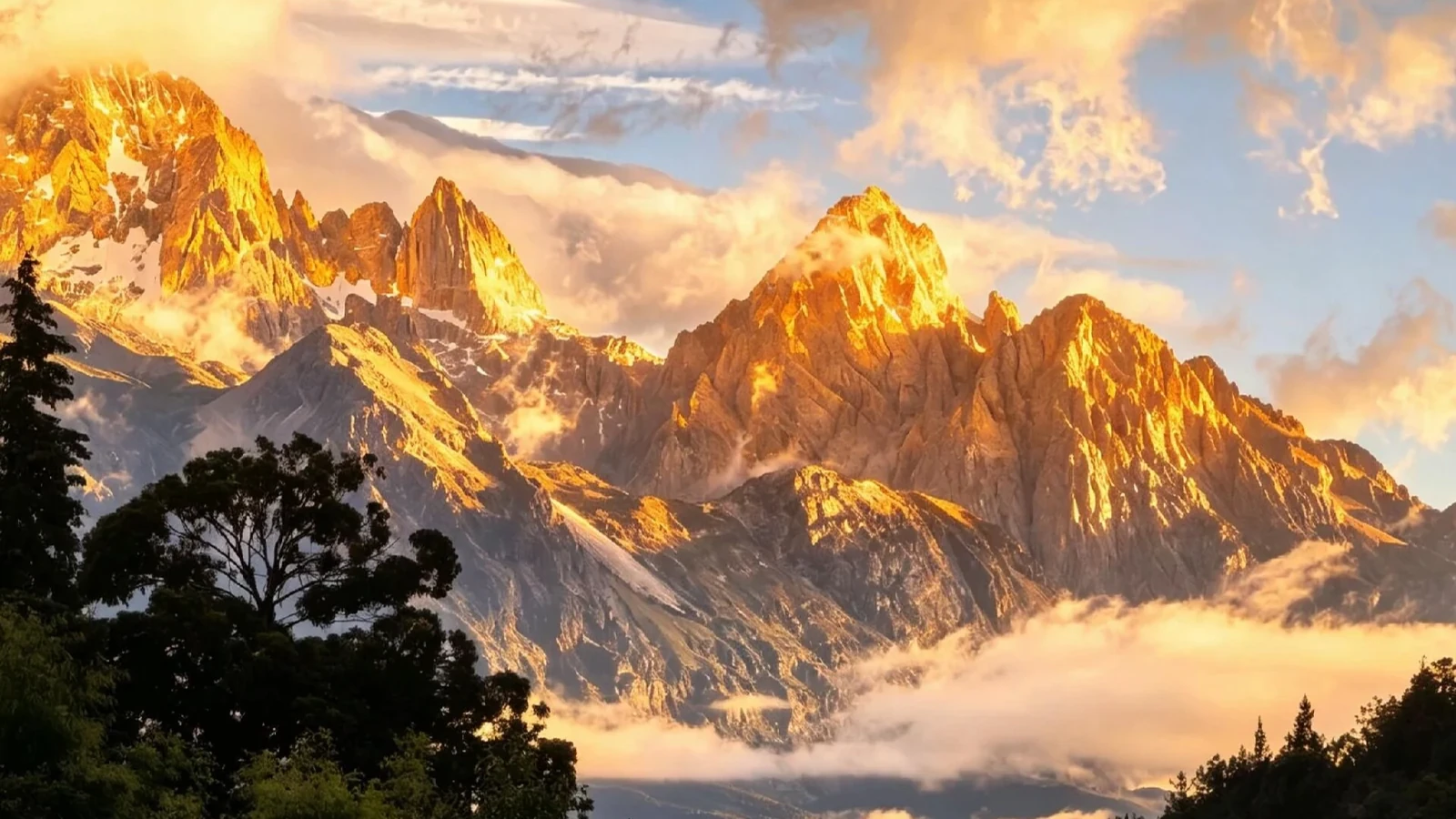
Kunming · Dali · Lijiang · Shangri-La · Lugu Lake
Nine days connect two kinds of scenery: first walk into the canyons and forests of Shangri-La, then stay overnight at Lugu Lake, and return to Lijiang to see the snow-capped mountains.
View itinerary
Kunming, Dali, Lijiang, Shangri-La and Lugu Lake in 10 days
Walk among the pinnacles of the Stone Forest, follow Erhai’s shores and cross Tiger Leaping Gorge on the way to the high plateau and Lugu Lake.
View itinerary
Yunnan Collection | Kunming, Dali and Lijiang in 6 Days
Walk the wetlands and old streets of Kunming, then take the train to Dali. Explore Bai villages on one shore of Erhai Lake and try tie-dye on the other before visiting Spruce Meadow, Blue Moon Valley and Shuhe in Lijiang.
View itinerary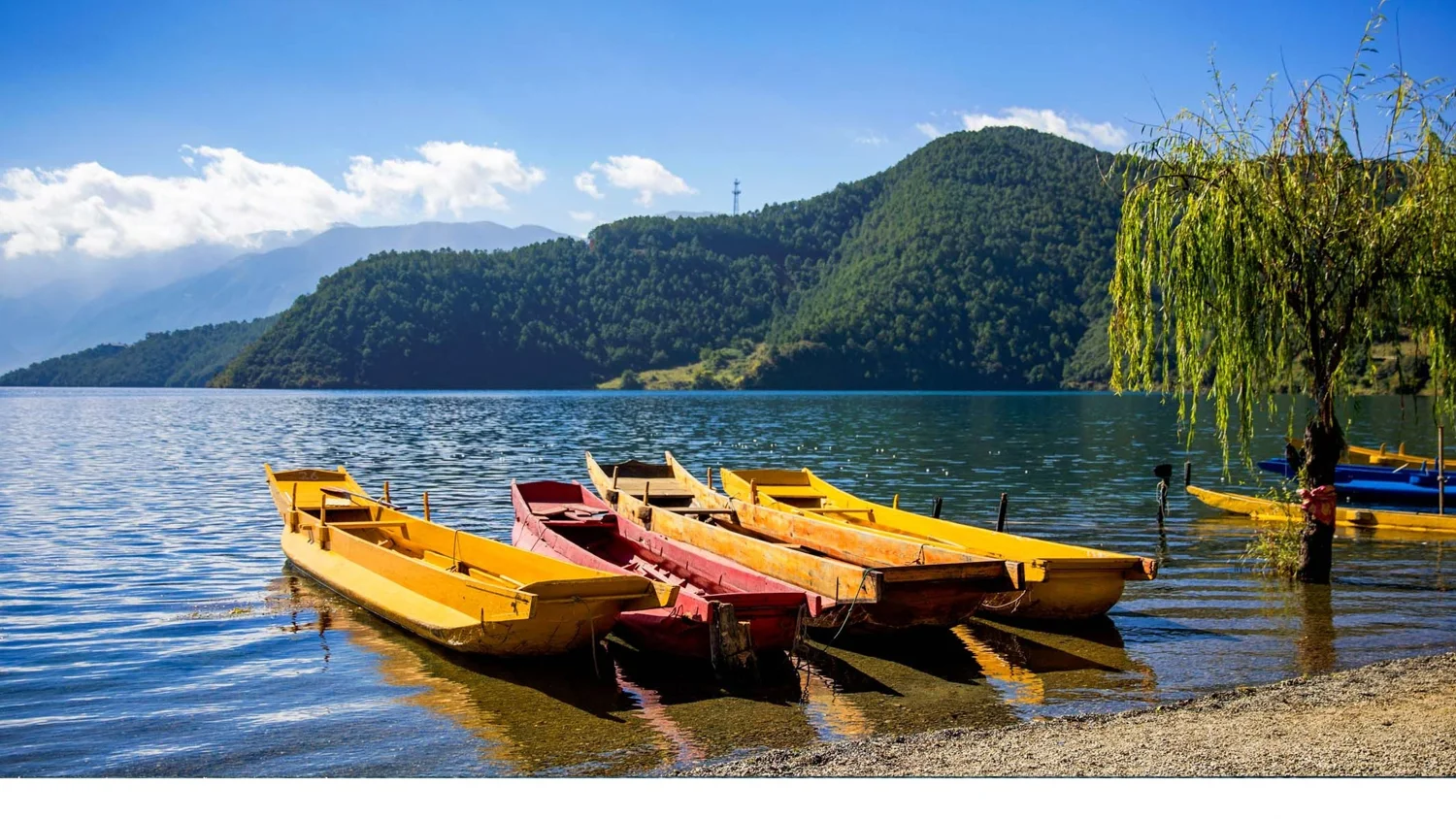
Yunnan Collection | Kunming, Dali, Lijiang and Lugu Lake in 8 Days
Continue beyond Erhai Lake and Jade Dragon Snow Mountain for a night at Lugu Lake. Take a wooden boat to Liwubi Island, visit a Mosuo village and cross the reed marsh on foot before the sleeper train from Lijiang back to Kunming.
View itinerary
Yunnan Collection | Kunming, Dali, Lijiang and Shangri-La in 8 Days
Travel from Erhai Lake and Lijiang Old Town to the Jinsha River gorge and the forest lakes of Pudacuo. Spend the night in Shangri-La, then explore Dukezong and visit a Tibetan home before returning via Lijiang.
View itinerary