



Yunnan · Shangri-La
Shangri-La
Shangri-La is located in Diqing, Yunnan. It is a stop for many people from the low-altitude areas of Yunnan to the plateau scenery. The attraction here is composed of cities, villages, monasteries, meadows, lakes and mountains, and is not a separate enclosed attraction. The name often reminds people of ideal places in literature, but the Shangri-La encountered during travel has real climate, transportation and residents' life. Entering with curiosity about a specific place makes it easier to see its rich and layered side than just looking for an imaginary "secret place".
Dukezong Ancient City is the entrance to understanding urban life. Walking along the street, you can see traditional architectural forms intertwined with today's shops, accommodation and public spaces. The ancient city has undergone changes and reconstructions, and it is not advisable to treat all appearances as intact history when visiting. You can walk the same stretch of street at different times and observe the difference in rhythm between morning, day and night. If you are interested in local history and Tibetan culture, it will be more helpful to combine formal exhibitions and explanations than making judgments based on architectural styles alone.
Temple culture is an important part of Shangri-La, and Songzanlin is also a representative stop in many itineraries. The building complex echoes the surrounding terrain, with roofs, courtyards and steps forming an unfolding space. The focus of the visit does not only need to be on the exterior photos, but also to understand the temple's position in local society, architectural uses and artistic expression. When entering the hall and filming, comply with on-site requirements, keep quiet, and do not interfere with religious activities. Respecting etiquette will change viewing from curiosity to more detailed understanding.
The meadows, wetlands and lakes outside the city show distinct seasonal changes. Napahai, Pudacuo and other places have their own characteristics. Water levels, vegetation colors, clouds and animal activities are not the same every day. The humidity of the rainy season and the clearness of winter can bring about completely different pictures. When choosing an itinerary, you can first determine whether you are more interested in easy sightseeing, nature observation, or a longer walk, and then arrange specific locations. Don’t estimate the intensity of your tour based only on the distance on the map. In a plateau environment, you may need more rest for short distances.
The altitude of Shangri-La is higher than that of Kunming, Dali and Lijiang City. After arriving, you should slow down your pace and arrange relaxing activities first. Warmth, sun protection and timely hydration can help you travel comfortably, but they cannot replace paying attention to your physical condition; if you experience obvious discomfort, you should stop reluctant activities and seek local professional help. Those traveling with elders, children or those with special health conditions can seek professional advice before departure. Travel arrangements should allow for fewer items, rather than completing all attractions as a must-achieve goal.
Shangri-La can be the end point of the Yunnan itinerary and can also connect to other areas in Diqing, but going to Meili and other places still requires additional planning of transportation and time. Staying overnight can transform a journey from a hurried transit into a real stopover, where you can slowly get to know the markets, food, and surrounding nature. What is worth cherishing here is not only the magnificence of the distant mountains and lakes, but also an ordinary day in a plateau city. Putting cultural understanding, natural observation and appropriate body rhythm together can form a complete and calm Shangri-La experience.
Journeys that include this place

Kunming · Dali · Lijiang · Shangri-La
Starting from Erhai Lake and the ancient city, we enter Shangri-La via Tiger Leaping Gorge, and experience the other side of the plateau at Dukezong and Pudacuo.
View itinerary
Kunming · Dali · Lijiang · Shangri-La · Lugu Lake
Nine days connect two kinds of scenery: first walk into the canyons and forests of Shangri-La, then stay overnight at Lugu Lake, and return to Lijiang to see the snow-capped mountains.
View itinerary
Kunming, Dali, Lijiang, Shangri-La and Lugu Lake in 10 days
Walk among the pinnacles of the Stone Forest, follow Erhai’s shores and cross Tiger Leaping Gorge on the way to the high plateau and Lugu Lake.
View itinerary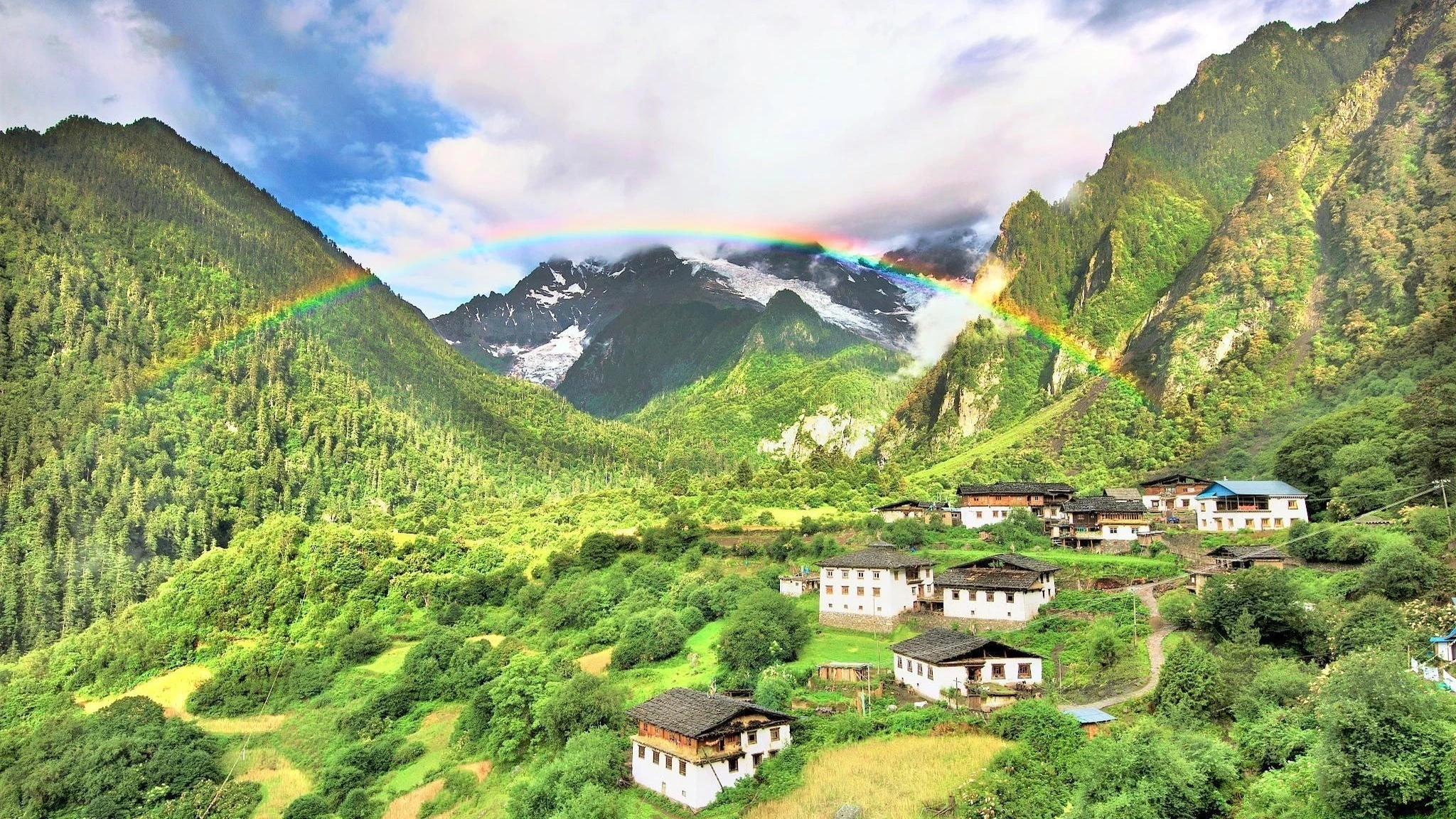
Lijiang, Meili Snow Mountain, Yubeng, Daocheng Yading and Lugu Lake
Starting in Lijiang, travel through Shangri-La and spend two nights in Yubeng to walk to the Sacred Waterfall and Ice Lake. Cross into Sichuan for Yading, then return to Lijiang by way of Lugu Lake.
View itinerary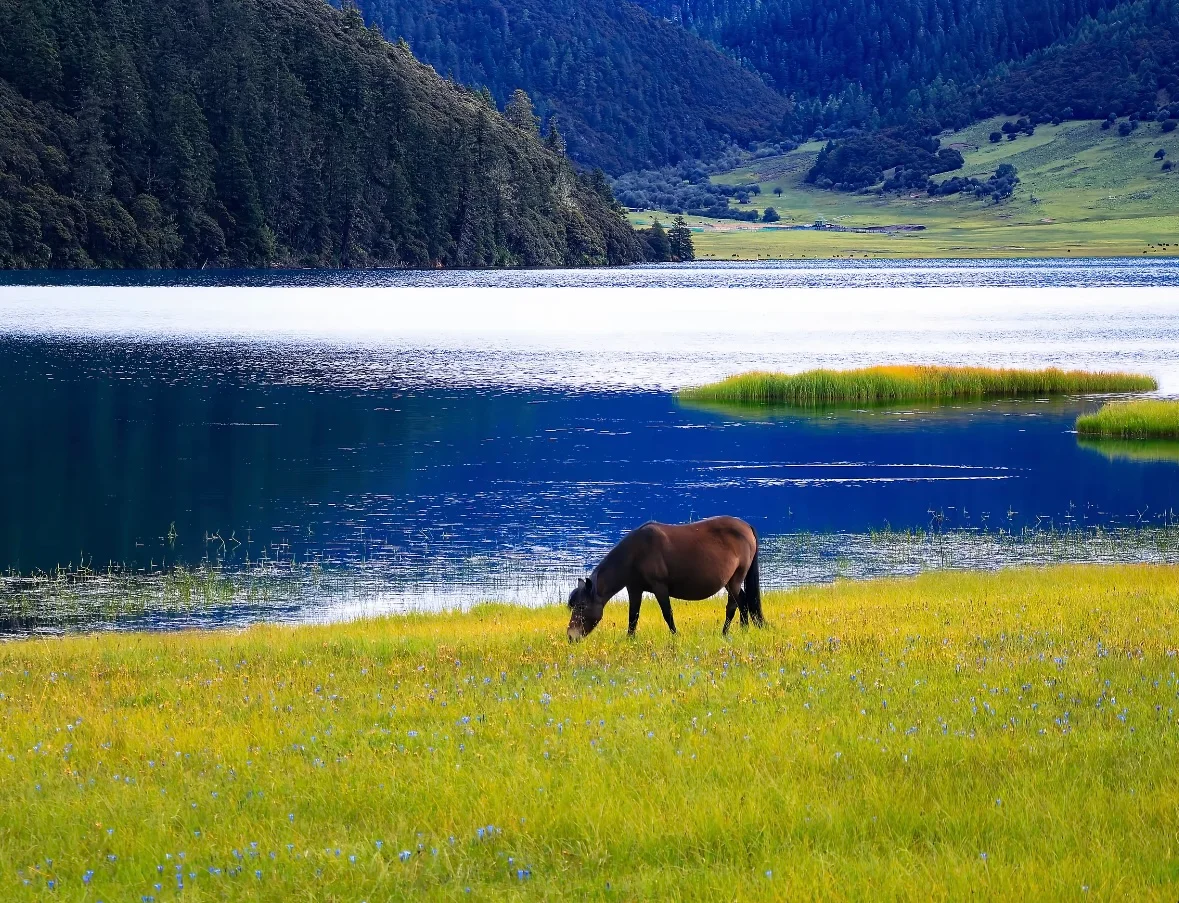
Yunnan Collection | Kunming, Dali, Lijiang and Shangri-La in 8 Days
Travel from Erhai Lake and Lijiang Old Town to the Jinsha River gorge and the forest lakes of Pudacuo. Spend the night in Shangri-La, then explore Dukezong and visit a Tibetan home before returning via Lijiang.
View itinerary