


Yunnan · Shangri-La
Tiger Leaping Gorge
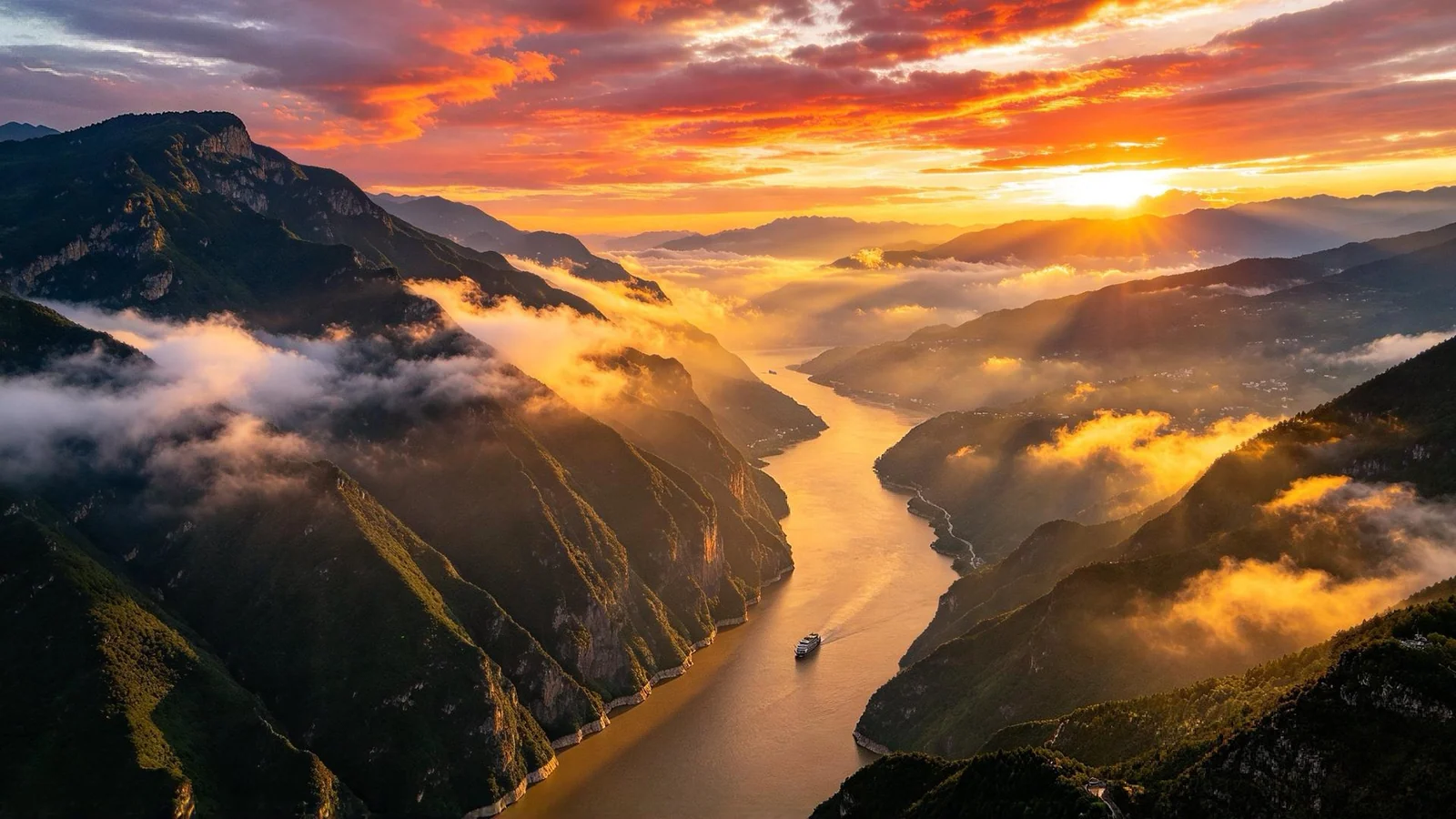
Tiger Leaping Gorge is located in the canyon area where the Jinsha River passes through Yulong and Haba Snow Mountain. The mountain rises suddenly, and the river is trapped between the rock walls. The sight and sound are powerful. When you come to the viewing area, you usually hear the continuous sound of water first, and then see the rapids hitting the rocks and rolling up the waves. Compared with many quiet lakes in Yunnan, Tiger Leaping Gorge presents another look after the river cuts into the mountains, allowing people to directly feel the scale of the terrain.
The grandeur of the canyon comes from the contrast between the height difference and the narrow channel. The hillsides in the distance rise upward layer by layer, but the river nearby turns and surges in a limited space. The waves, colors and sounds will change under different water conditions, and the perception during rainy season is different from that during dry periods. When watching, you can first look at the river surface, and then move your eyes to the mountains on both sides to understand why the same river creates such a strong sense of speed here, instead of just staring at a famous rock.
"Tiger Leaping Gorge Tour" is not a single activity. There are obvious differences in distance, physical strength, traffic and risks between common scenic sightseeing routes and high-road hiking and mid-section visits. When choosing an itinerary, be sure to confirm the specific area and walking method. Just because they are all called Tiger Leaping Gorge does not mean the experience is the same. Tourists who want to enjoy the scenery easily can choose a suitable open viewing route; those who plan to hike long distances need to plan the weather, accommodation, equipment and return points separately.
Walking down the formal trail or towards the observation deck, the perspective will gradually approach the river from overlooking the canyon. Every time you stop, you can see new proportions: the people beside the railing appear small, the rock wall continues to extend upward, and the river flows always forward. When taking photos, you can use people or trails as a reference for scale, or you can use parts of waves and dark rocks. Water mist and light and dark contrast may affect shooting, so there is no need to cross guardrails or approach dangerous edges in order to find a clear picture.
Tiger Leaping Gorge often appears in the itinerary between Lijiang and Shangri-La, but even if it is just a stopover on the way, you need to leave time for going up and down stairs, resting and transportation. The round trip to the canyon route is not completely flat, so you should first assess the intensity of the walk when bringing elders or children. In the event of rainfall, road adjustments or partial closures, it is more appropriate to change plans based on on-site arrangements. The purpose of looking at the canyon is to feel the relationship between the mountains and rivers, not to reach the lowest or most dangerous position that must be reached.
If you have enough time, you can divide the Tiger Leaping Gorge and Shangri-La plateau landscapes into different rhythms: first watch the rapids in the canyon, and then move slowly through lakes, forests and meadows. Two landscapes will make the diversity of the Hengduan Mountains clearer. Before leaving, you might as well put away your camera for a while and listen to the echo of the river for a while. Tiger Leaping Gorge What is most difficult to completely preserve in photos is the sound that surrounds the body, and the direct awareness of the natural force that arises when standing between the huge rock wall and the river.
Journeys that include this place
Kunming · Dali · Lijiang · Shangri-La
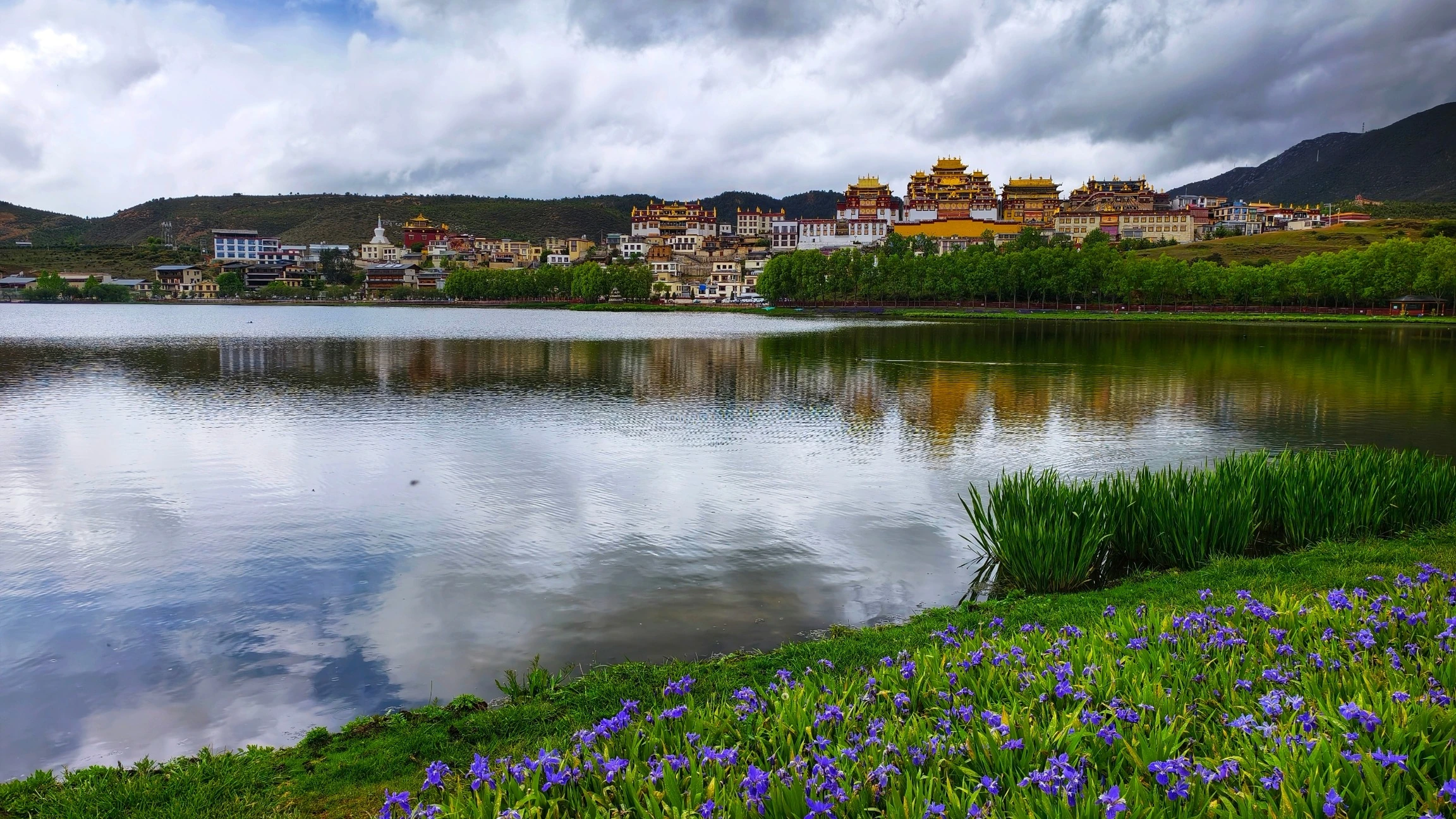
Starting from Erhai Lake and the ancient city, we enter Shangri-La via Tiger Leaping Gorge, and experience the other side of the plateau at Dukezong and Pudacuo.
View itinerary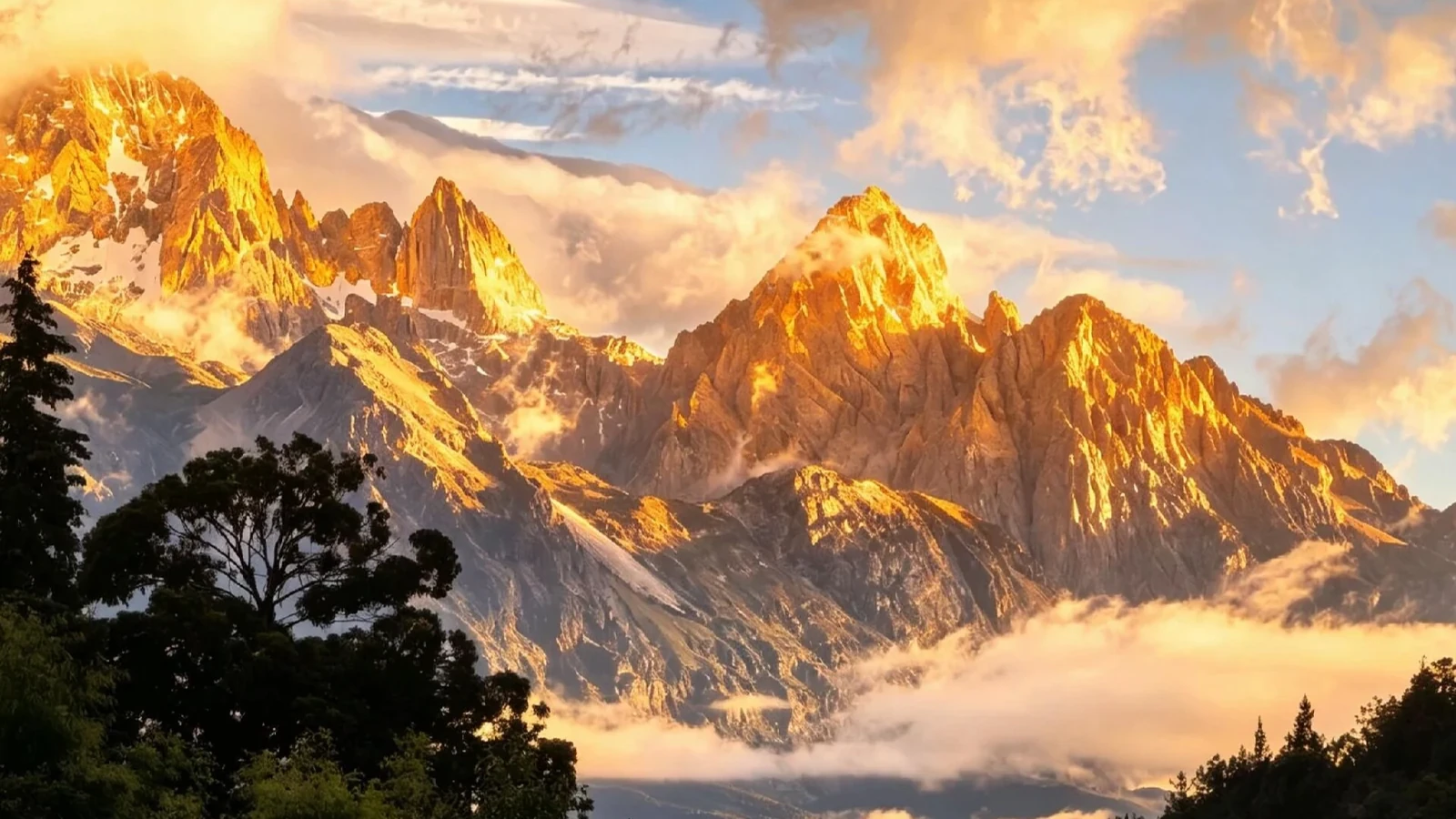
Kunming · Dali · Lijiang · Shangri-La · Lugu Lake
Nine days connect two kinds of scenery: first walk into the canyons and forests of Shangri-La, then stay overnight at Lugu Lake, and return to Lijiang to see the snow-capped mountains.
View itinerary
Kunming, Dali, Lijiang, Shangri-La and Lugu Lake in 10 days
Walk among the pinnacles of the Stone Forest, follow Erhai’s shores and cross Tiger Leaping Gorge on the way to the high plateau and Lugu Lake.
View itinerary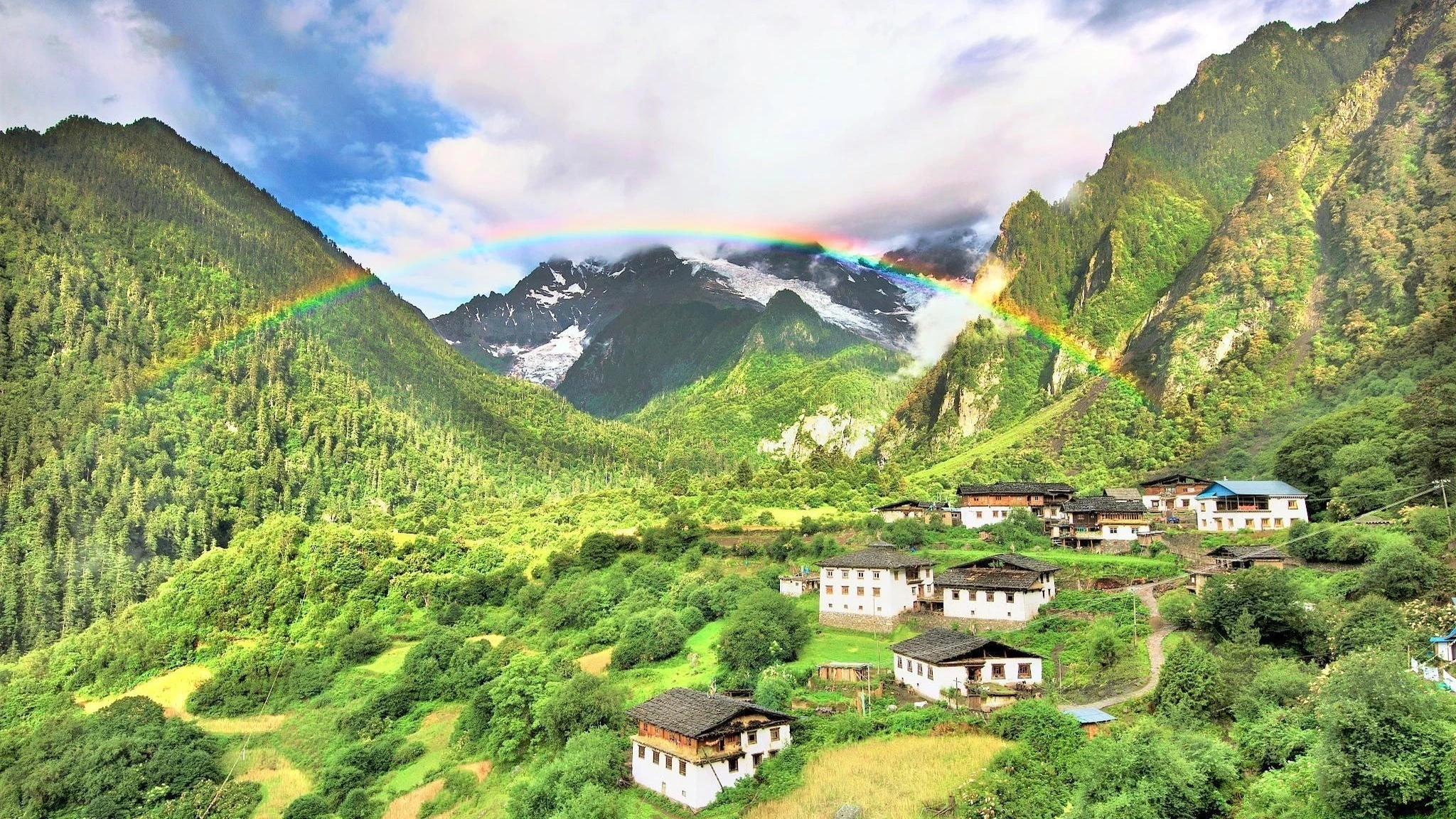
Lijiang, Meili Snow Mountain, Yubeng, Daocheng Yading and Lugu Lake
Starting in Lijiang, travel through Shangri-La and spend two nights in Yubeng to walk to the Sacred Waterfall and Ice Lake. Cross into Sichuan for Yading, then return to Lijiang by way of Lugu Lake.
View itinerary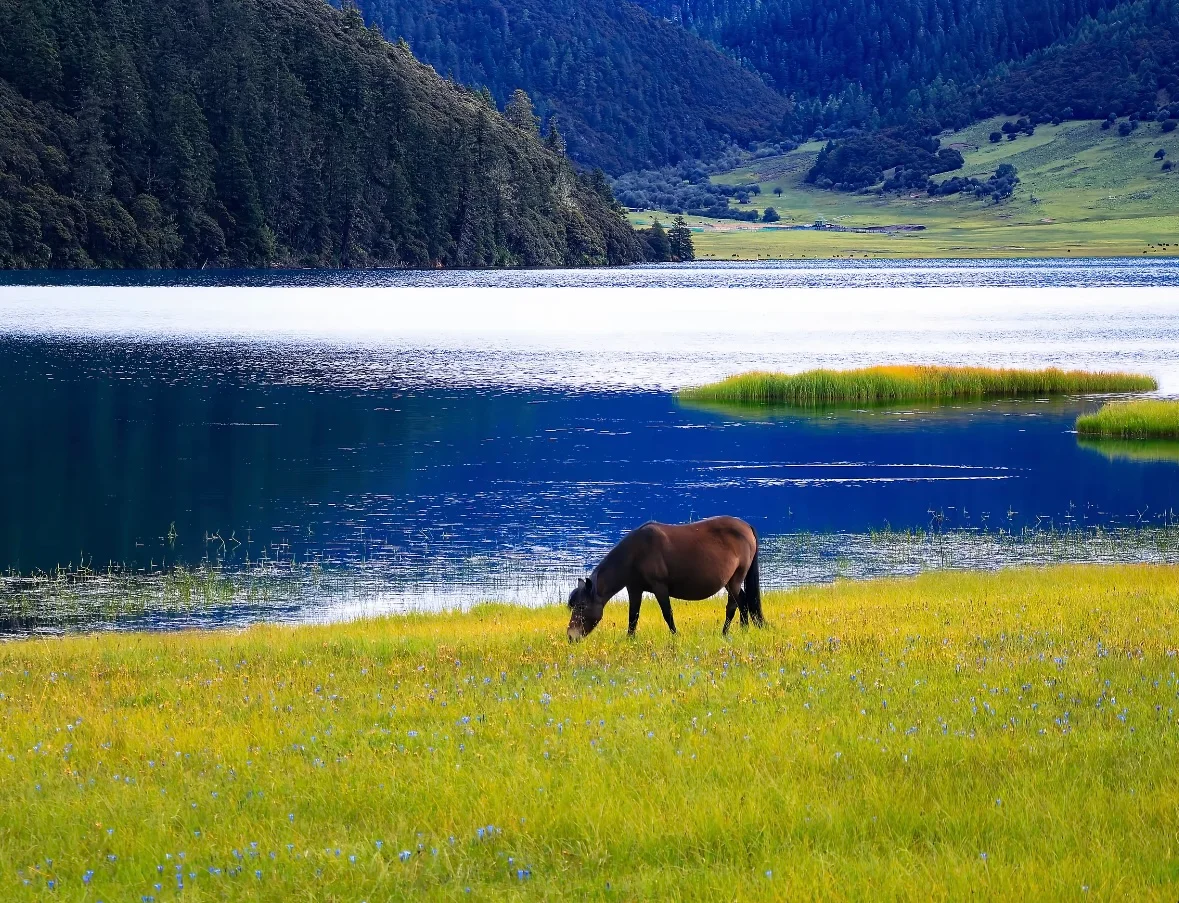
Yunnan Collection | Kunming, Dali, Lijiang and Shangri-La in 8 Days
Travel from Erhai Lake and Lijiang Old Town to the Jinsha River gorge and the forest lakes of Pudacuo. Spend the night in Shangri-La, then explore Dukezong and visit a Tibetan home before returning via Lijiang.
View itinerary