
Symbols of Yunnan
Fifteen windows into the province, through the objects people made, the roads they travelled and the traditions they still practise.
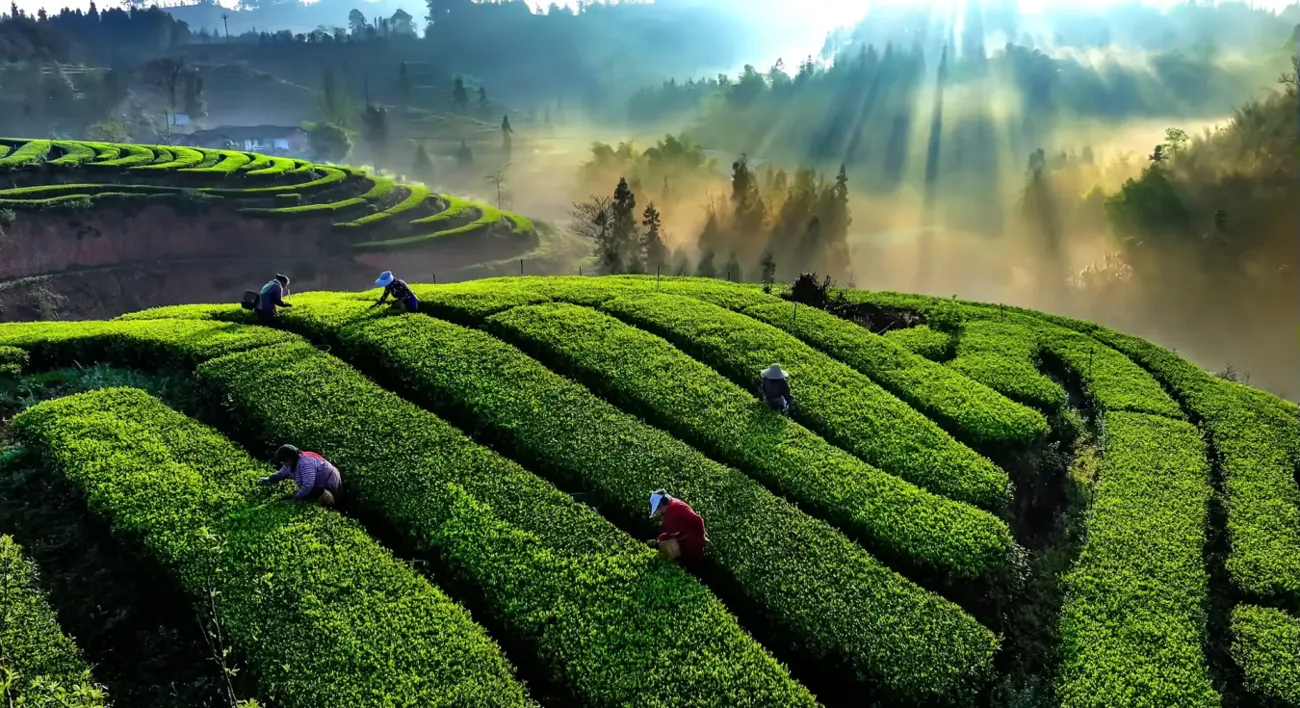
Pu’er tea
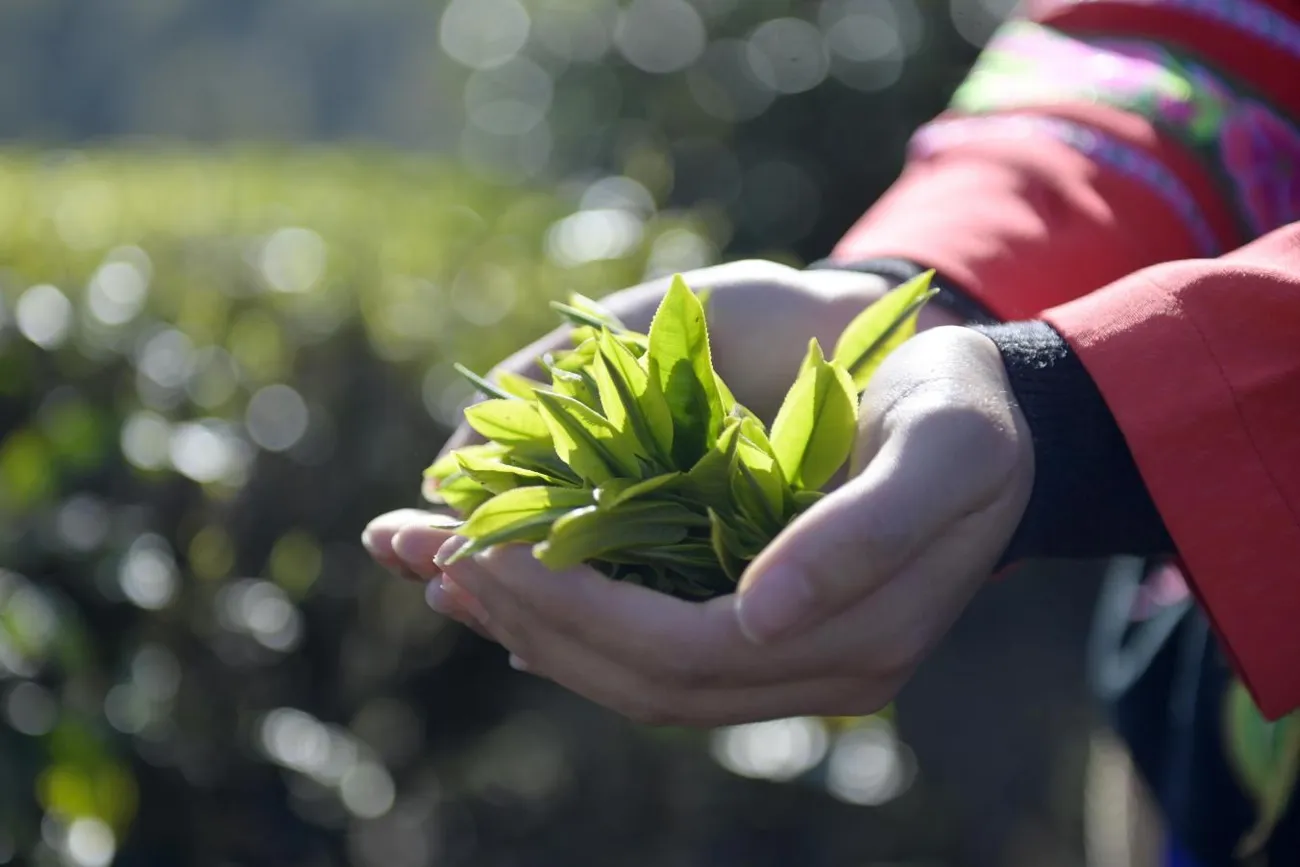
Caravans carried Yunnan tea from the growing hills to highland markets. A cup of Pu’er recalls the ties between growers, traders and households far apart.
Yuanmou Man
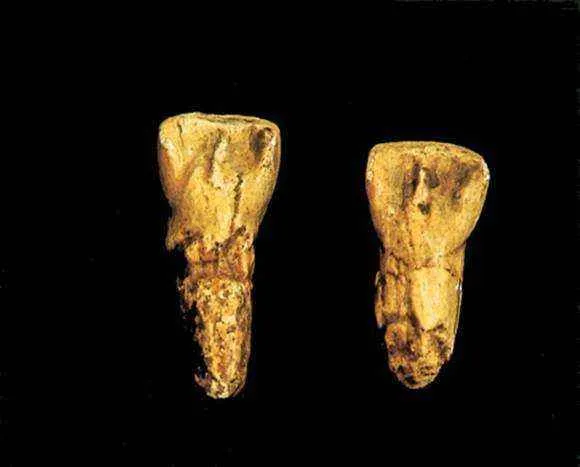
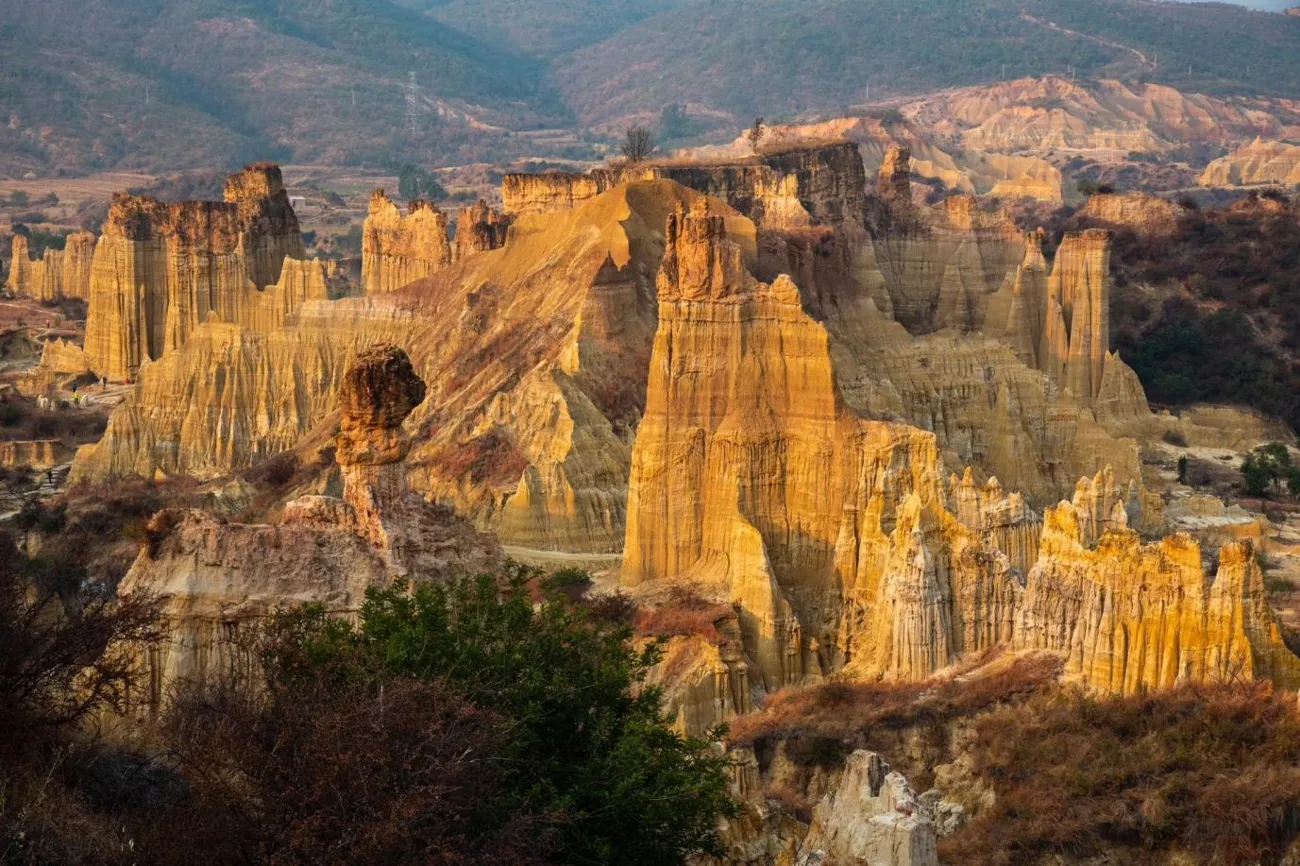
Two fossil teeth discovered in 1965 made Yuanmou important to the study of early humans. Nearby, erosion has carved the striking formations of the Earth Forest.
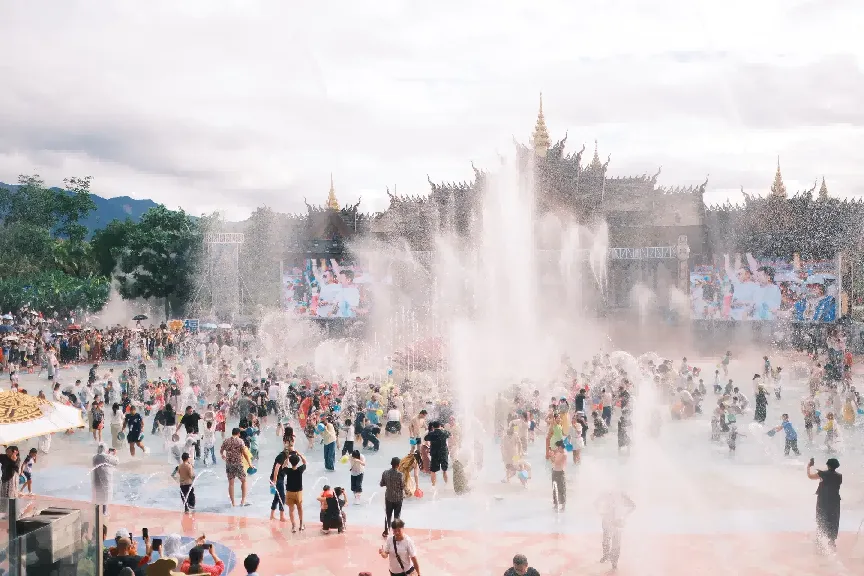
Water-Splashing Festival
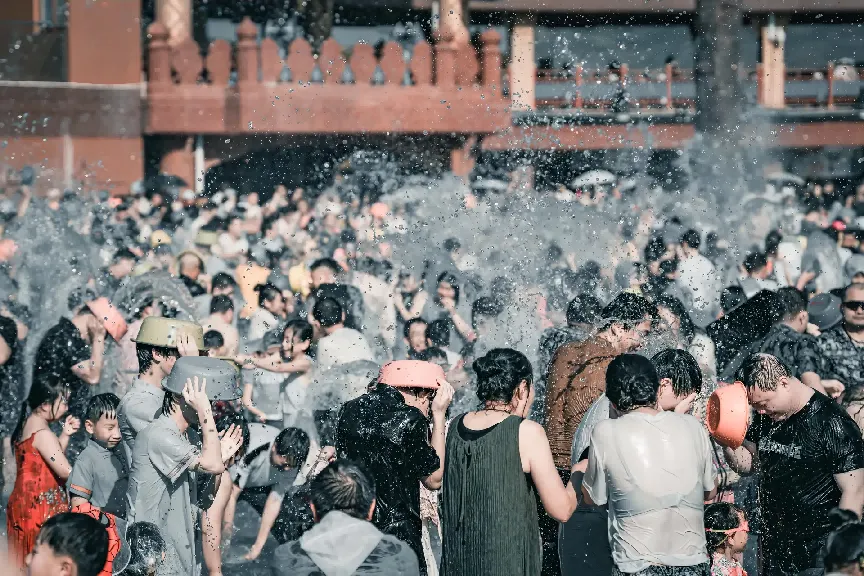
Water carries wishes for a fresh start at the Dai New Year in April. The festivities include bathing and Buddhist observances as well as splashing in the streets.
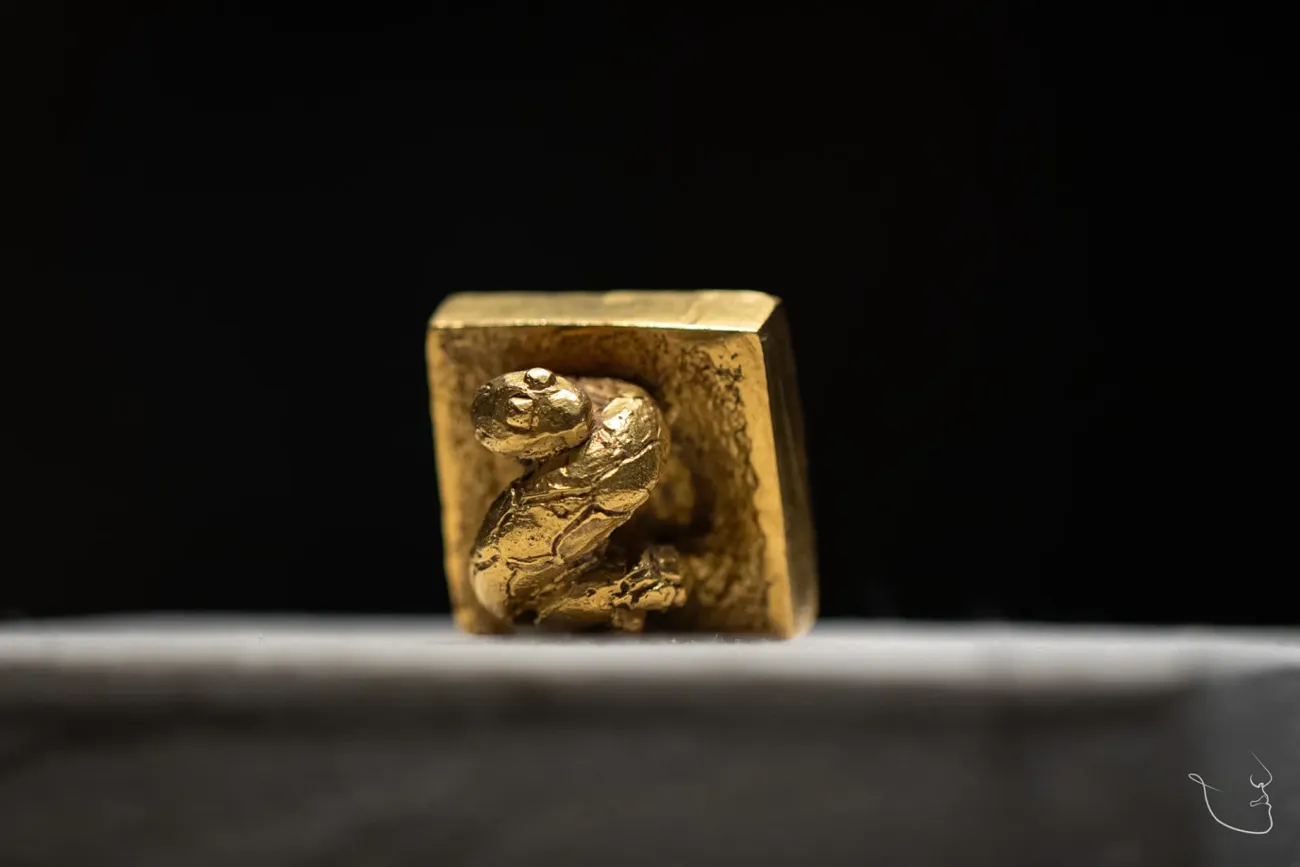
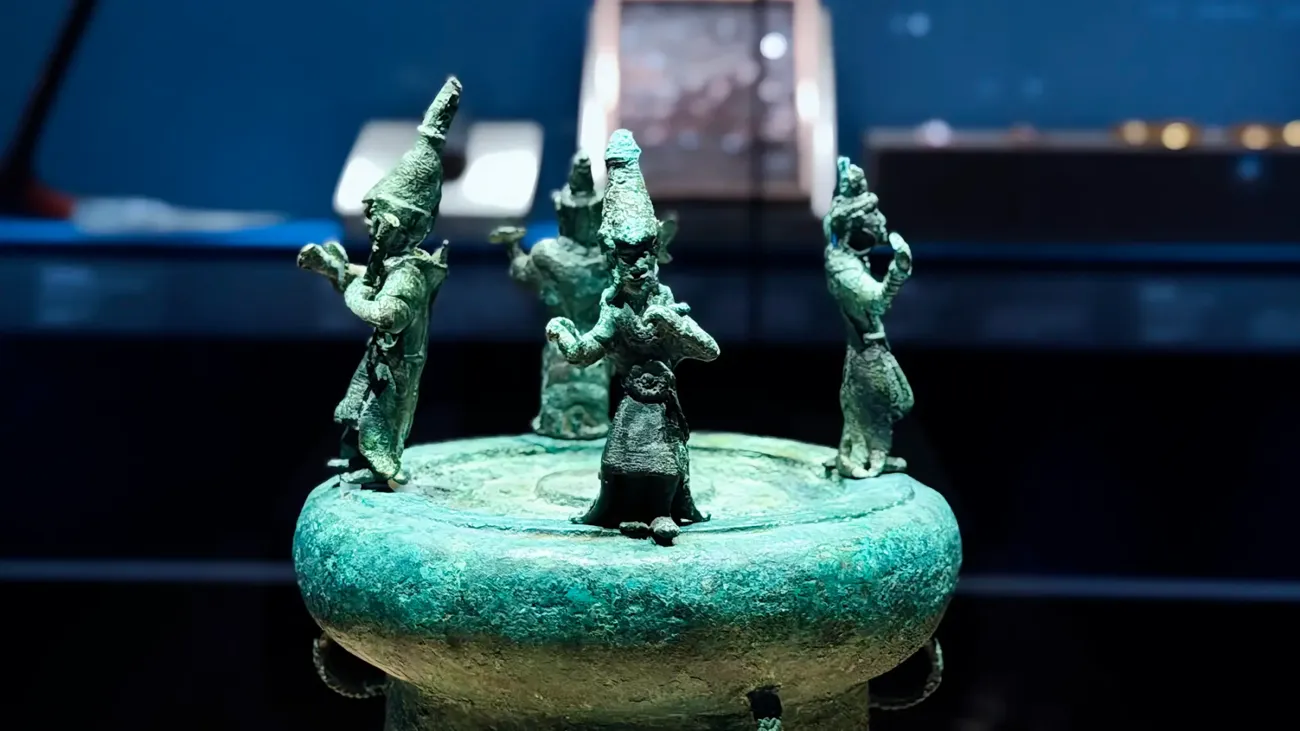
Bronzes of ancient Dian
The seal of the King of Dian links archaeological finds with written history. Tiny bronze figures also preserve scenes of daily work and ritual.
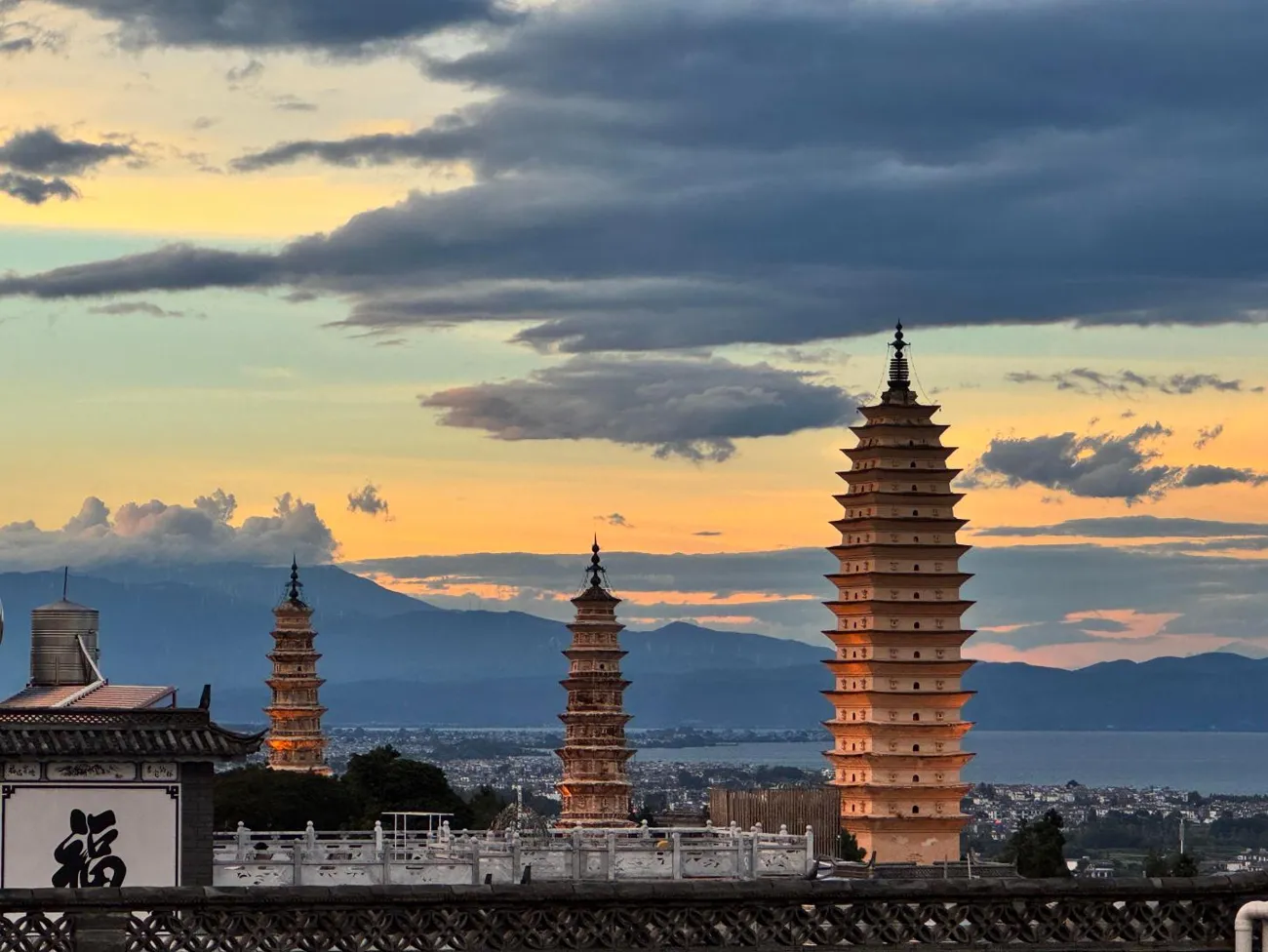
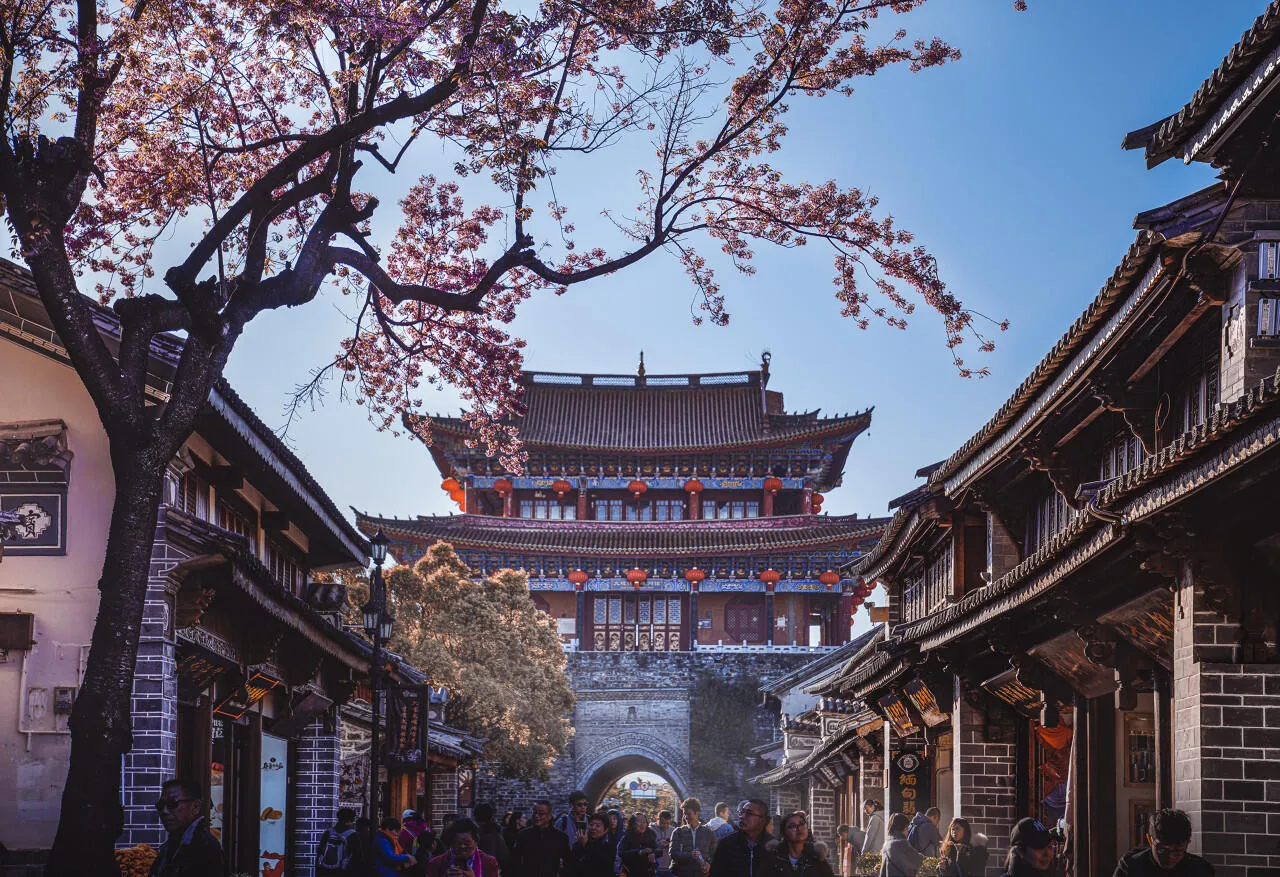
The kingdoms of Dali
Nanzhao and later the Dali Kingdom established capitals near Erhai. Temples, pagodas and the remains of cities still trace this former centre of political life.
Buddhist art
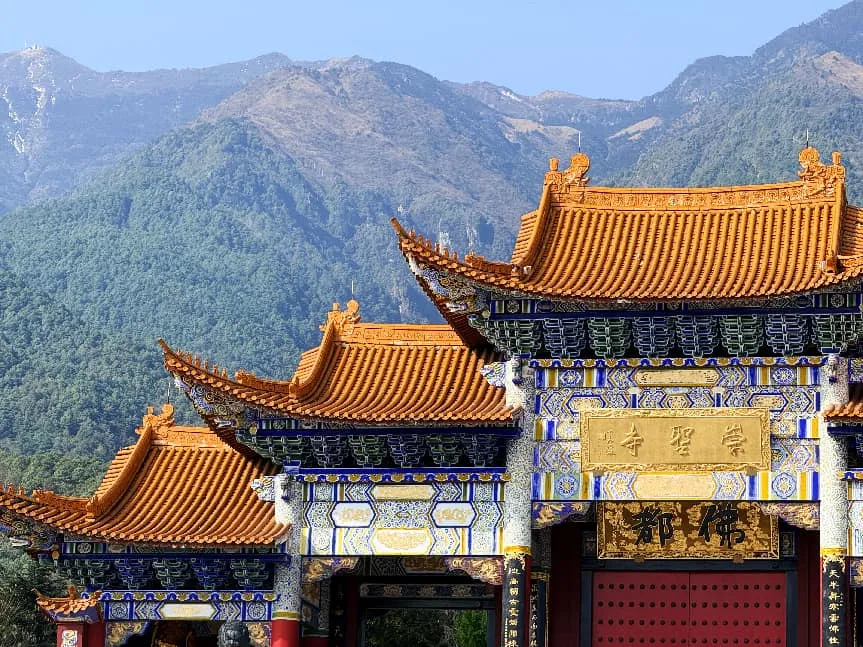
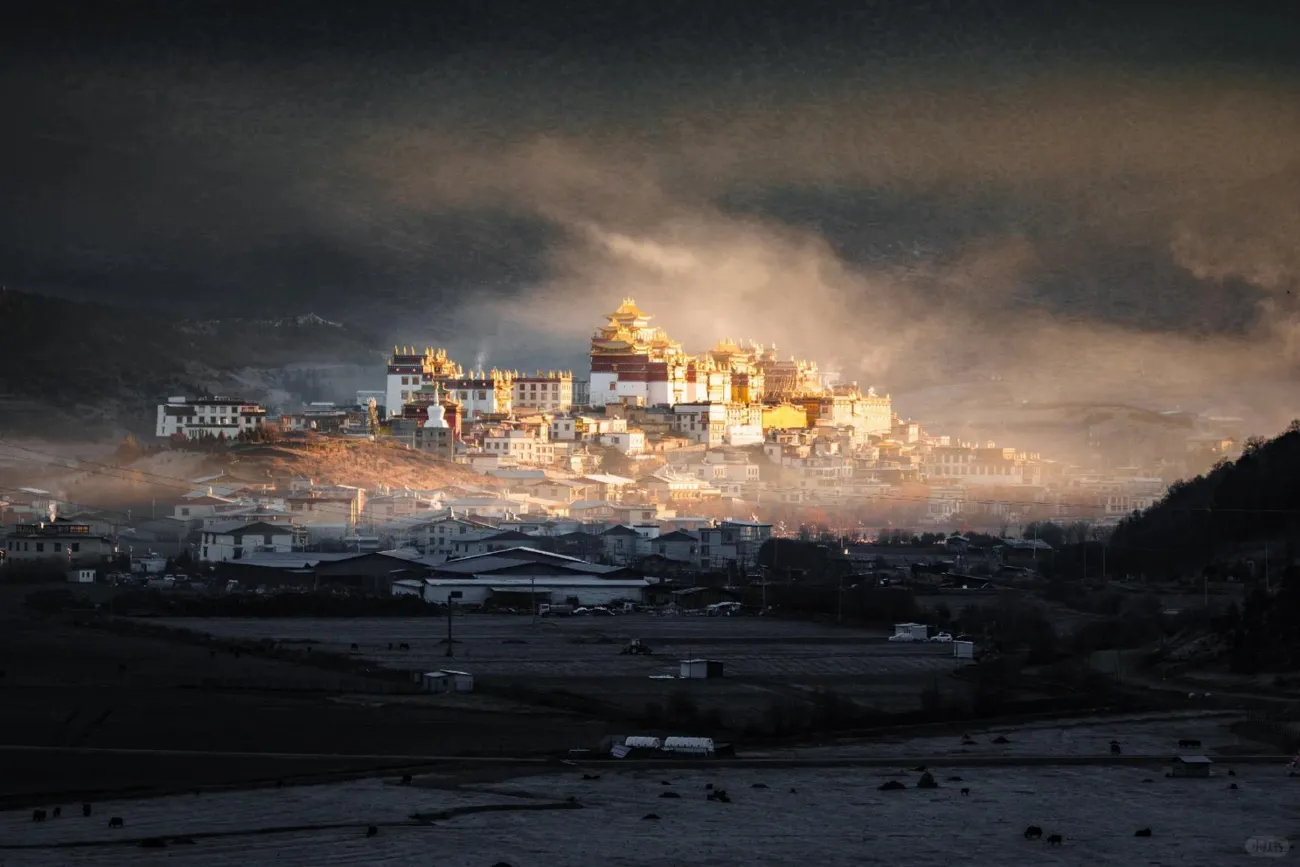
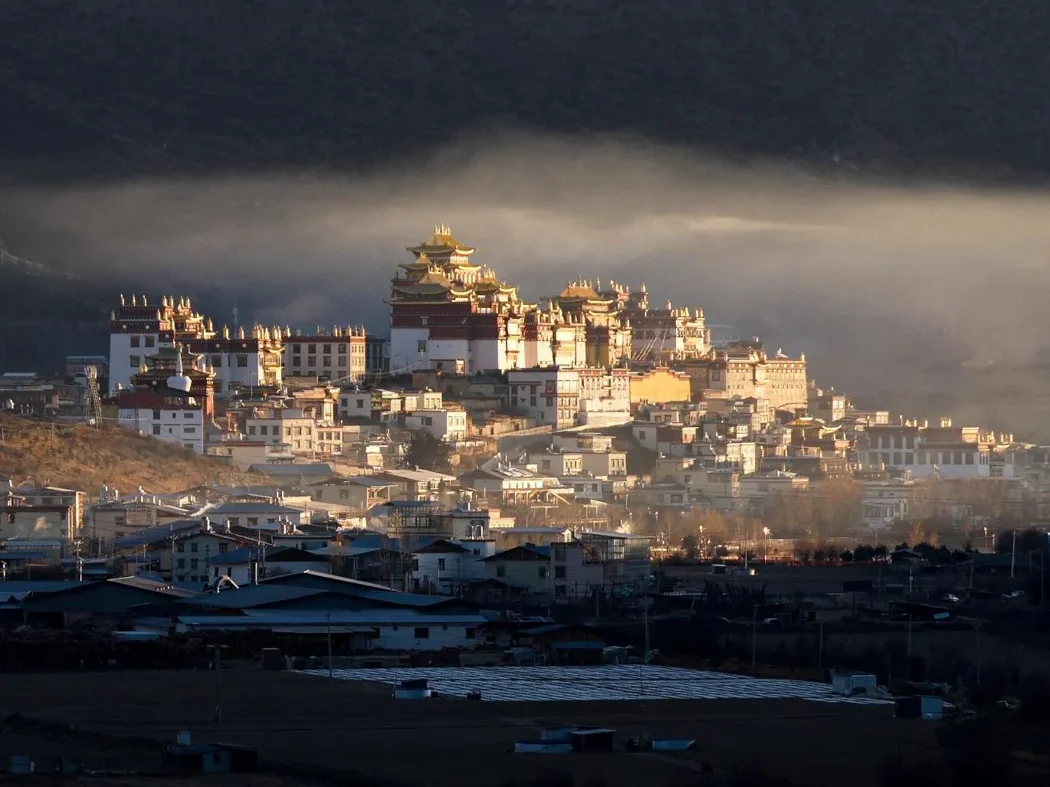
Compare the pagodas of Dali, Dai temples in the south and Songzanlin Monastery near Shangri-La. Rooflines, paintings and courtyards reflect distinct traditions.
The National Protection Movement
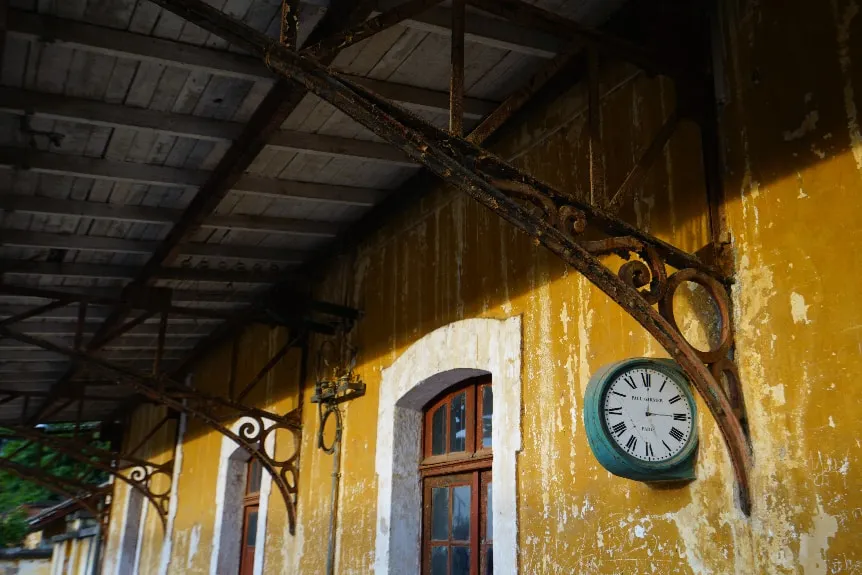
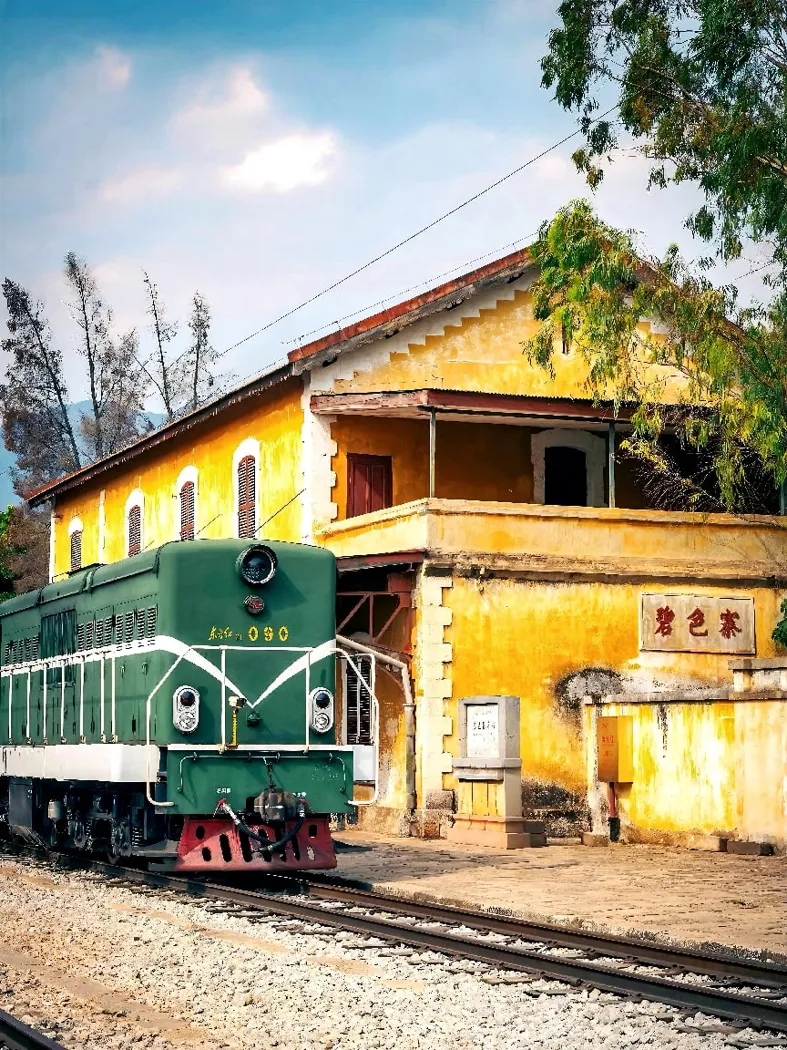
Yunnan was a centre of resistance to Yuan Shikai’s imperial ambitions. Stations on the Yunnan–Vietnam railway, including Bisezhai, put that history in a local landscape.
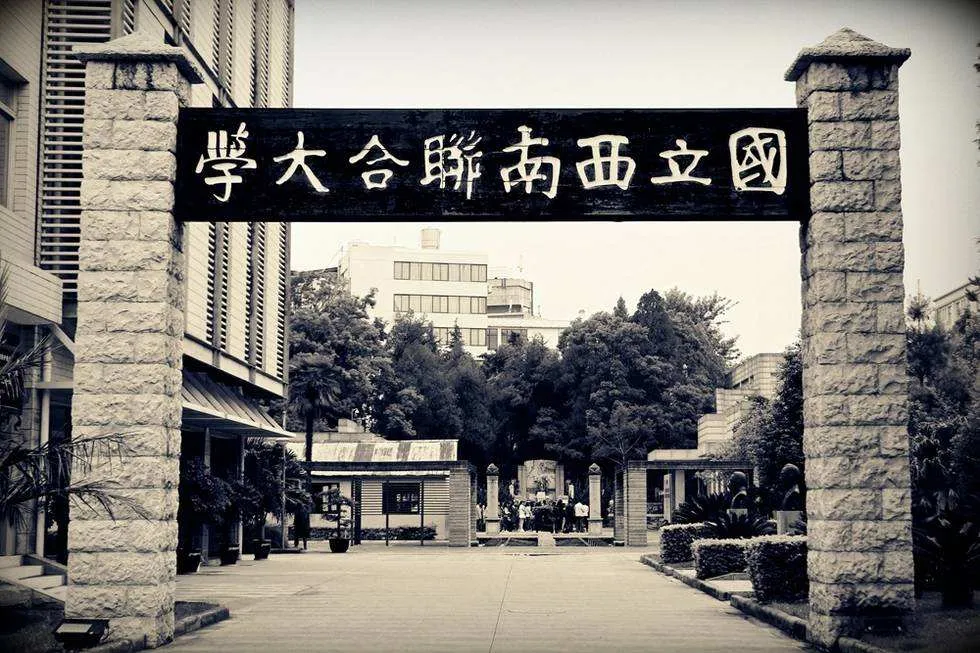
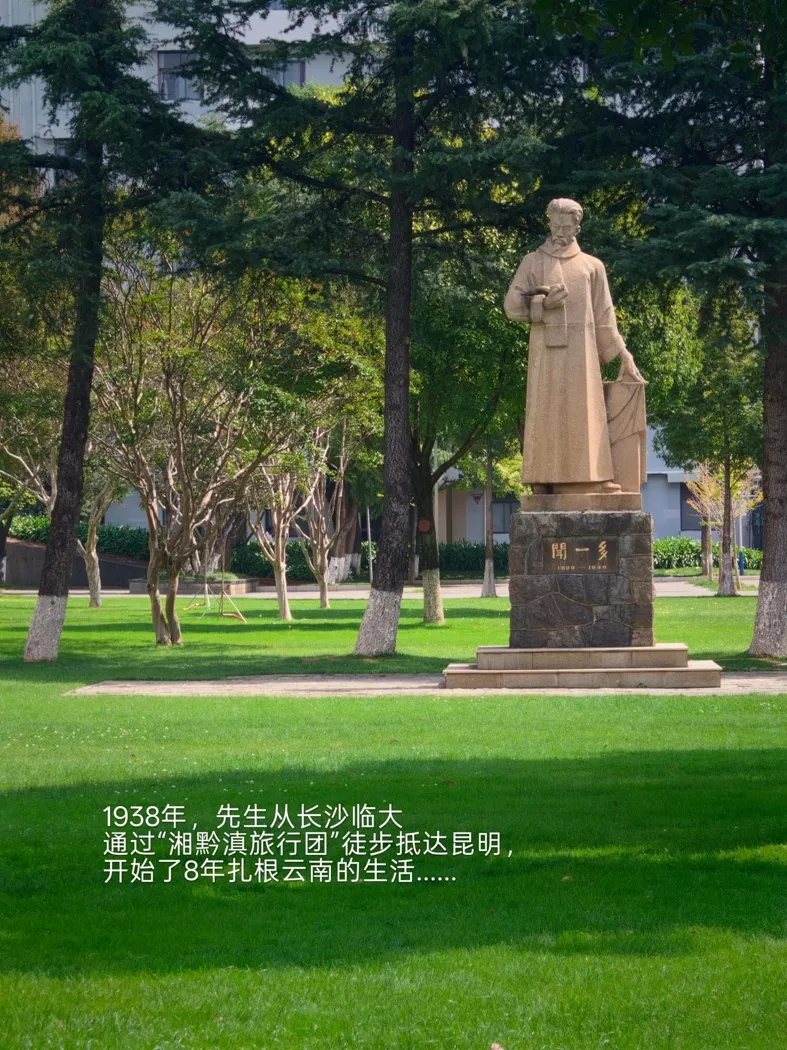
Southwest Associated University
During the war, faculty and students from Peking, Tsinghua and Nankai universities gathered in Kunming. They continued teaching literature and science in modest classrooms.
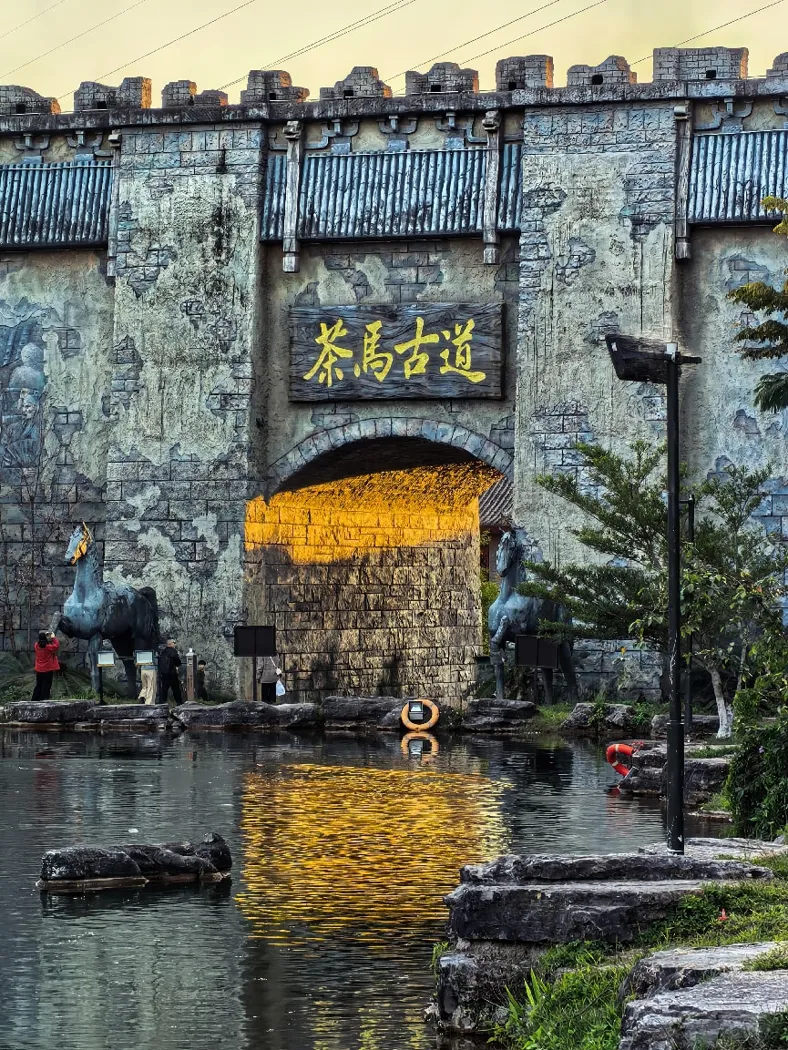
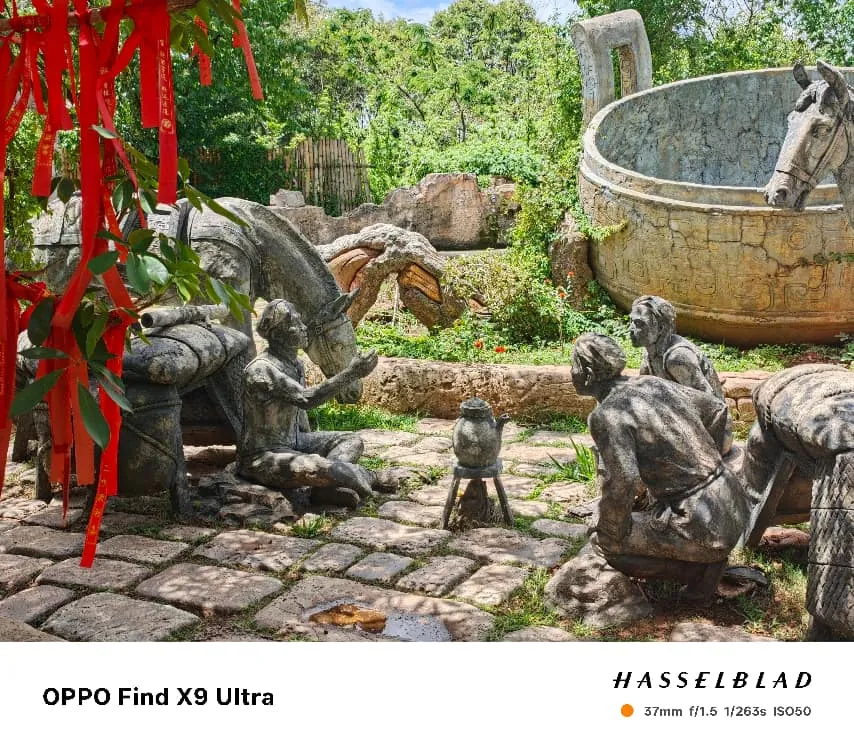
The Tea Horse Road
Pack animals carried tea, cloth and grain towards the plateau and brought back hides and medicinal goods. Markets and waystations held the network together.
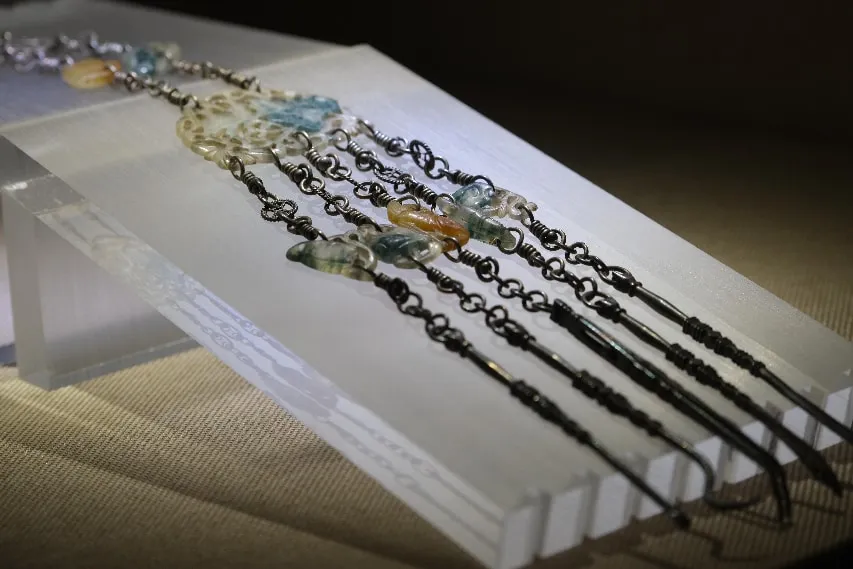
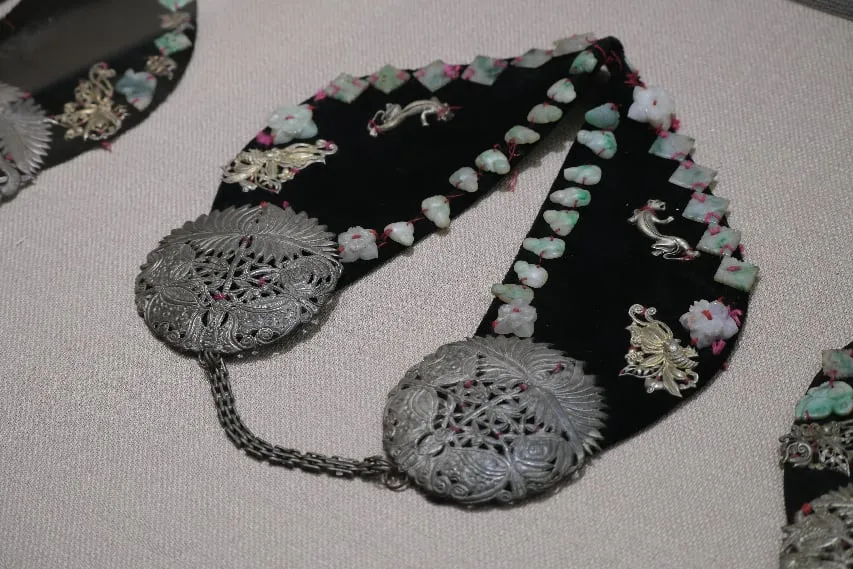
Dress and textiles
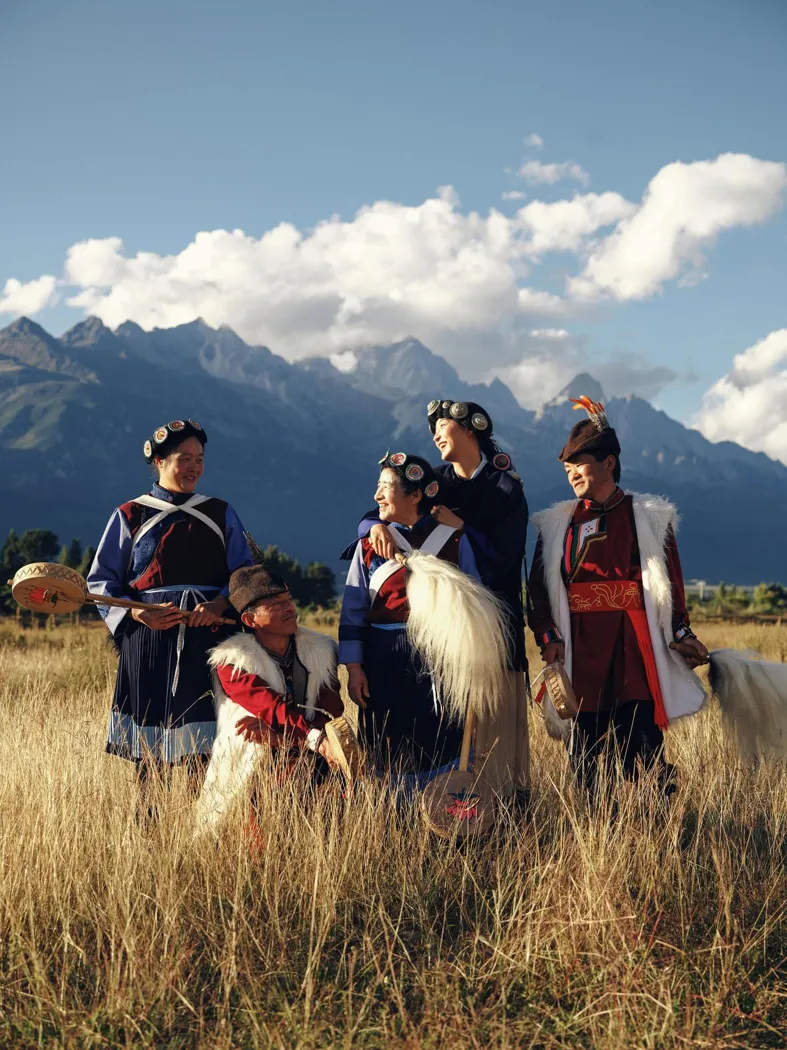
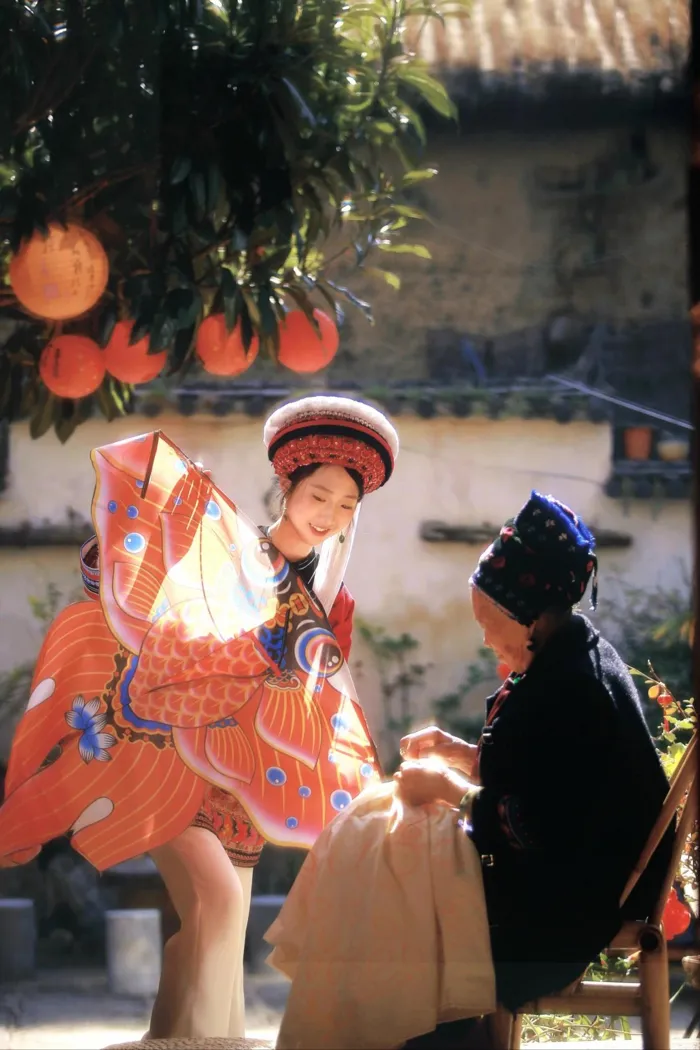
Naxi capes, indigo Hani cloth and Bai headdresses each have their own histories. Look closely at how a garment is woven, embroidered and worn.
Shangri-La
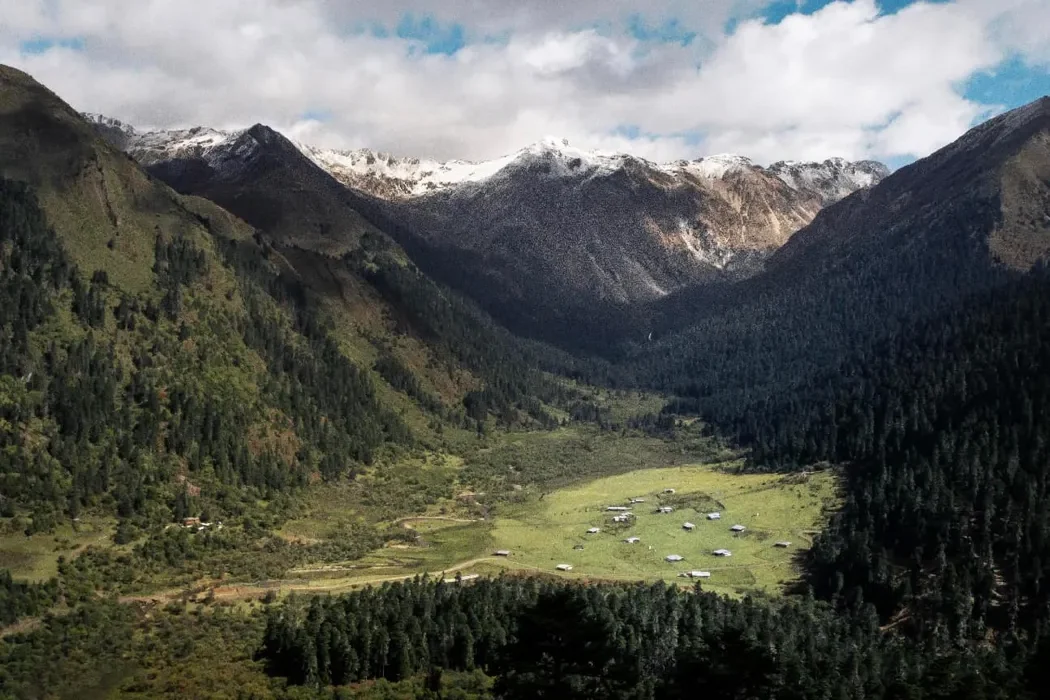
James Hilton imagined a hidden valley in Lost Horizon. Beyond that literary association, the highland villages, monasteries and pastures have rhythms of their own.
Jade in Tengchong
Trade with Myanmar brought jade to Tengchong and supported workshops of cutters and carvers. A finished carving tells a story of both material and craftsmanship.
Kawagarbo
The highest peak of the Meili range is sacred to local Tibetan communities. Walking around the mountain and paying respects at its foot are longstanding traditions.


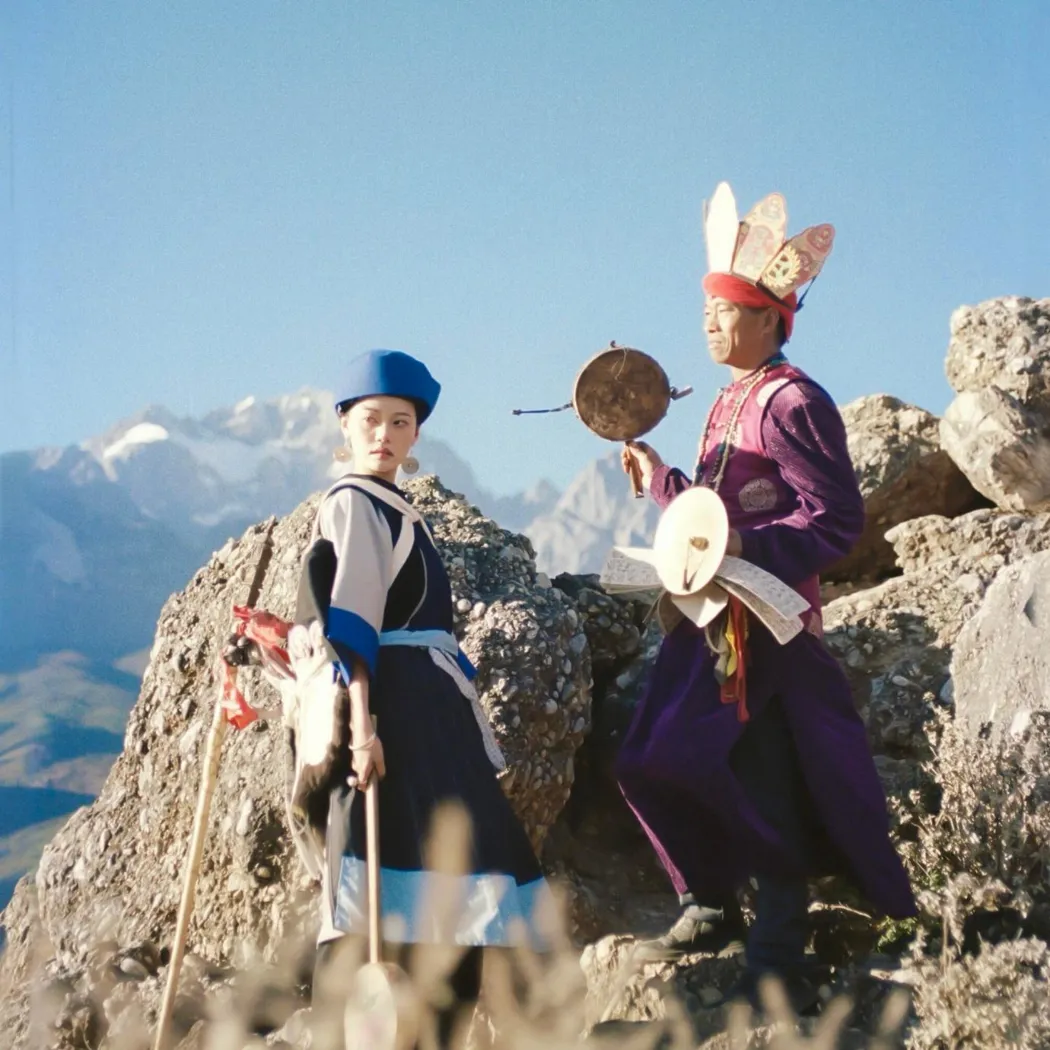
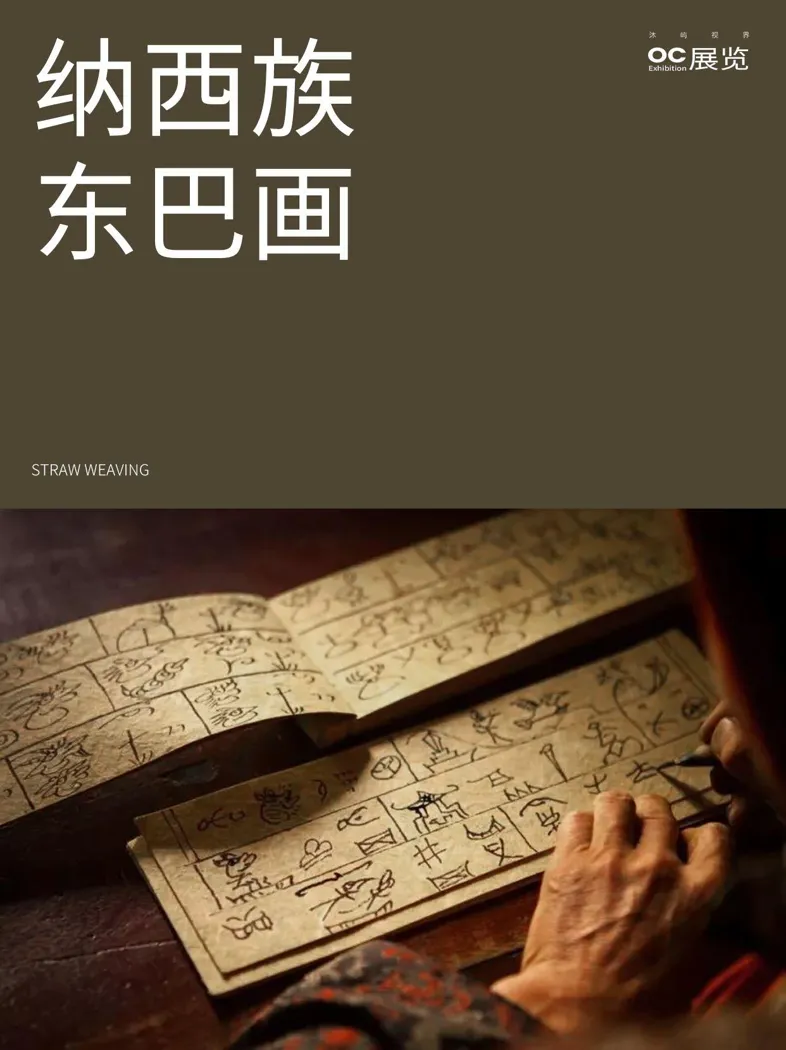
Dongba culture
Among the Naxi, Dongba specialists preserve ritual, song and knowledge. The pictorial signs in manuscripts are best understood alongside their oral performance.
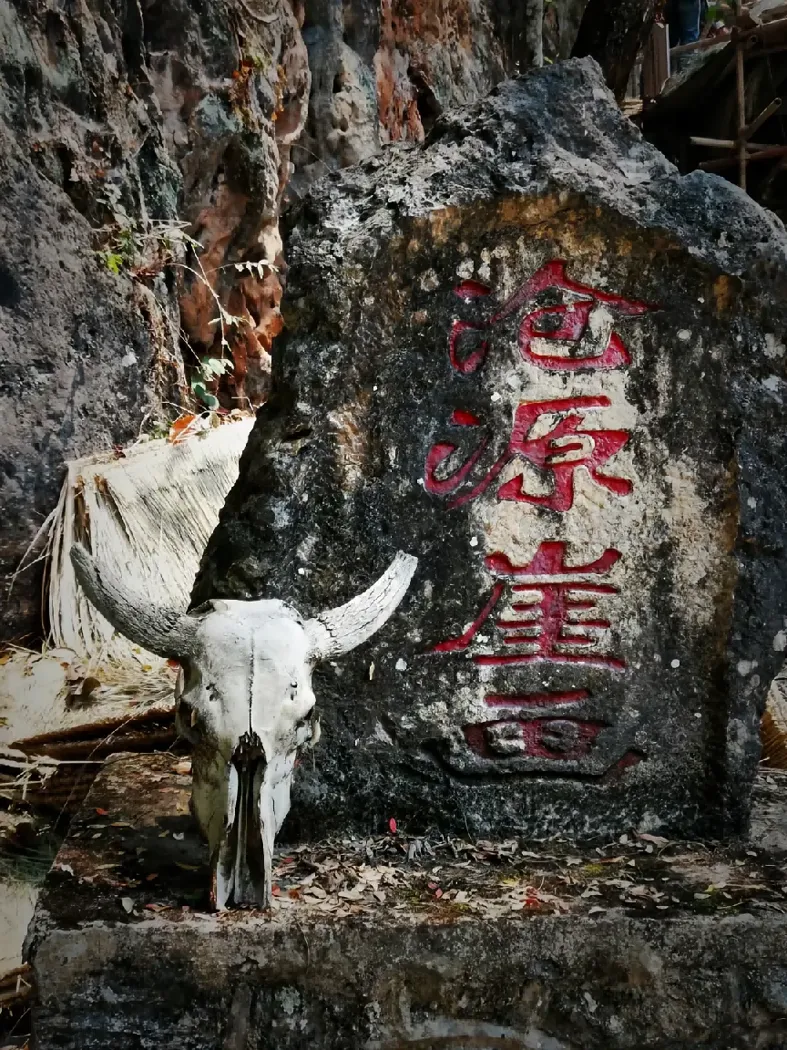
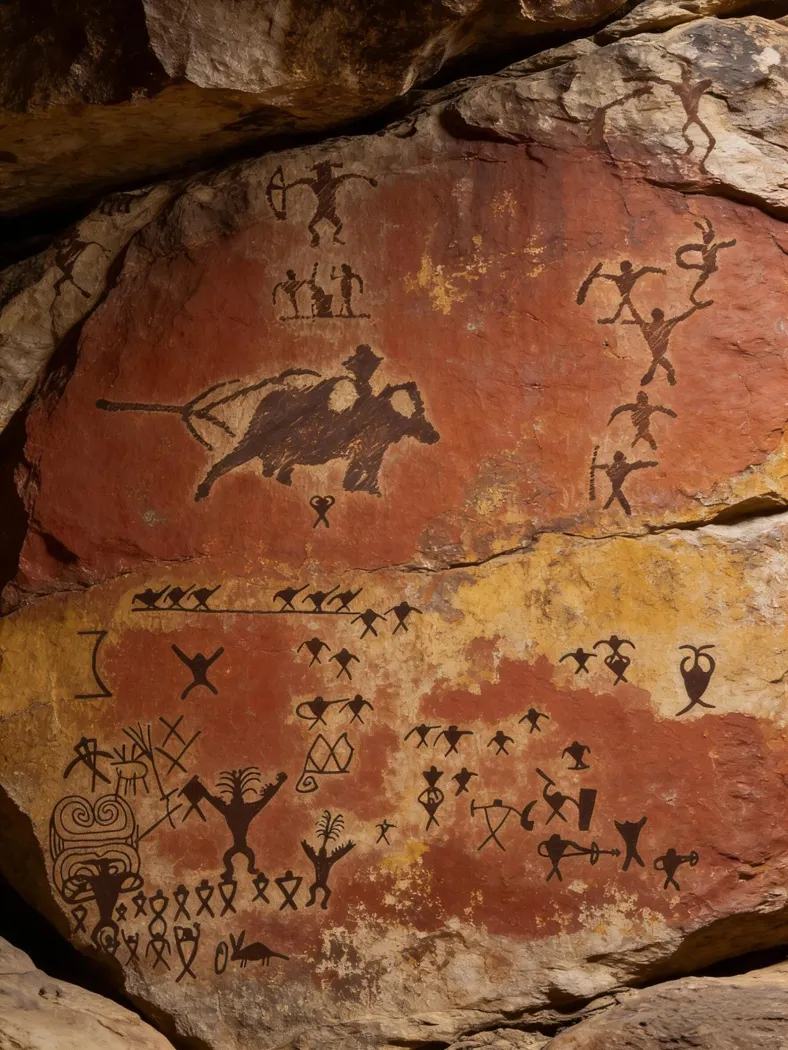
Cangyuan rock paintings
Ochre figures on the cliffs depict people and animals in motion. Together with local oral traditions, these scenes offer a window onto the Awa mountains.