


Yunnan · Xishuangbanna
Wild Elephant Valley
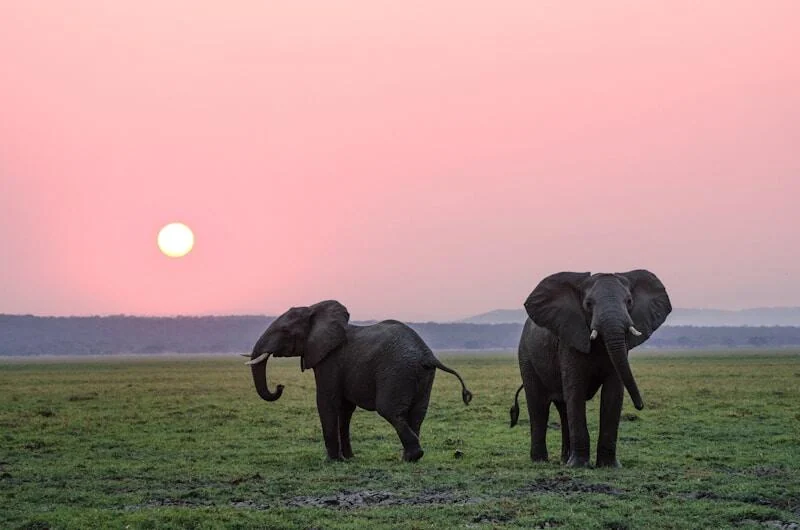
Wild Elephant Valley is located in the Mengyang area in the north of Jinghong, Xishuangbanna. It is an important window to understand Asian elephants and their forest environment. The attraction here lies not only in the travel symbol of "elephant", but also in how people understand the relationship between large wild animals and their habitats. Forest roads, observation facilities and related science content give visitors the opportunity to get close to this theme. Before entering the scenic spot, separate the field observation and the display under management conditions, which will make the expectations more reasonable and avoid misunderstandings about animal behavior.
The activities of Asian elephants are affected by many factors such as food, water sources, seasons and group movements. Wild elephants will not appear according to the time of tourists' visit. Therefore, sightings of wild elephants should be considered a possibility in nature observation and not a guarantee on every tour. When not encountering elephants, the forest itself still provides rich content: the distribution of plants, the relationship between valley topography and passages can help people understand why such large animals need a connected and complete living space.
The high-altitude observation routes and forest facilities in the scenic area provide a different perspective from walking on the ground. Through the canopy and valleys, one can feel the continuity of the forest, and it is easier to understand the relationship between observation and distance. Specific routes and means of transportation should be selected based on the opening conditions of the day, and staff arrangements should be followed when temporary restrictions are encountered. Do not leave designated areas to pursue animals, and do not approach wild elephants for close-up photos. Respecting distance is part of watching, not a detriment to the experience.
Relevant exhibitions and explanations can further turn "seeing elephants" into "knowing elephants". From body structure, feeding patterns, group relationships to habitat protection, each topic raises specific questions. When raising children, you can discuss the uses of elephant trunks, why animals need to move, and how roads and farmland affect forest connections. For different displays and interactive projects, you should first understand the actual content and then choose according to your personal wishes. Close contact or riding should not be regarded as a necessary condition for understanding animals.
Wild Elephant Valley's tour includes outdoor walking. Drinking water, shade and rest are required in tropical weather. The road surface will be wet after rain, so lightweight rain gear and non-slip shoes can improve comfort. When taking photos, try to use a method suitable for long-distance observation, and do not use food, bright light or sound to disturb the animals. Other life in the forest also deserves attention, including birdsong, insects, leaves and roots. By broadening your focus, your trip won’t lose content just because you don’t encounter a certain animal.
Wild Elephant Valley can be included in a Xishuangbanna itinerary that focuses on understanding nature, complementing the botanical garden, rainforest or village culture. Transportation and rest time are still needed between places, so it is not appropriate to compress multiple large-scale scenic spots on the same day. The most meaningful gain here is from loving an animal to understanding the environment it depends on. Elephants are not the protagonists taken out of the forest alone; water, plants, land and human activities jointly determine their situation, which also gives this trip a way to think beyond the photos.
Make this stop part of your journey
Share your travel dates and group size. Your travel adviser can work this place into a Yunnan itinerary that suits you.