


Yunnan · Kunming & surroundings
Jindian
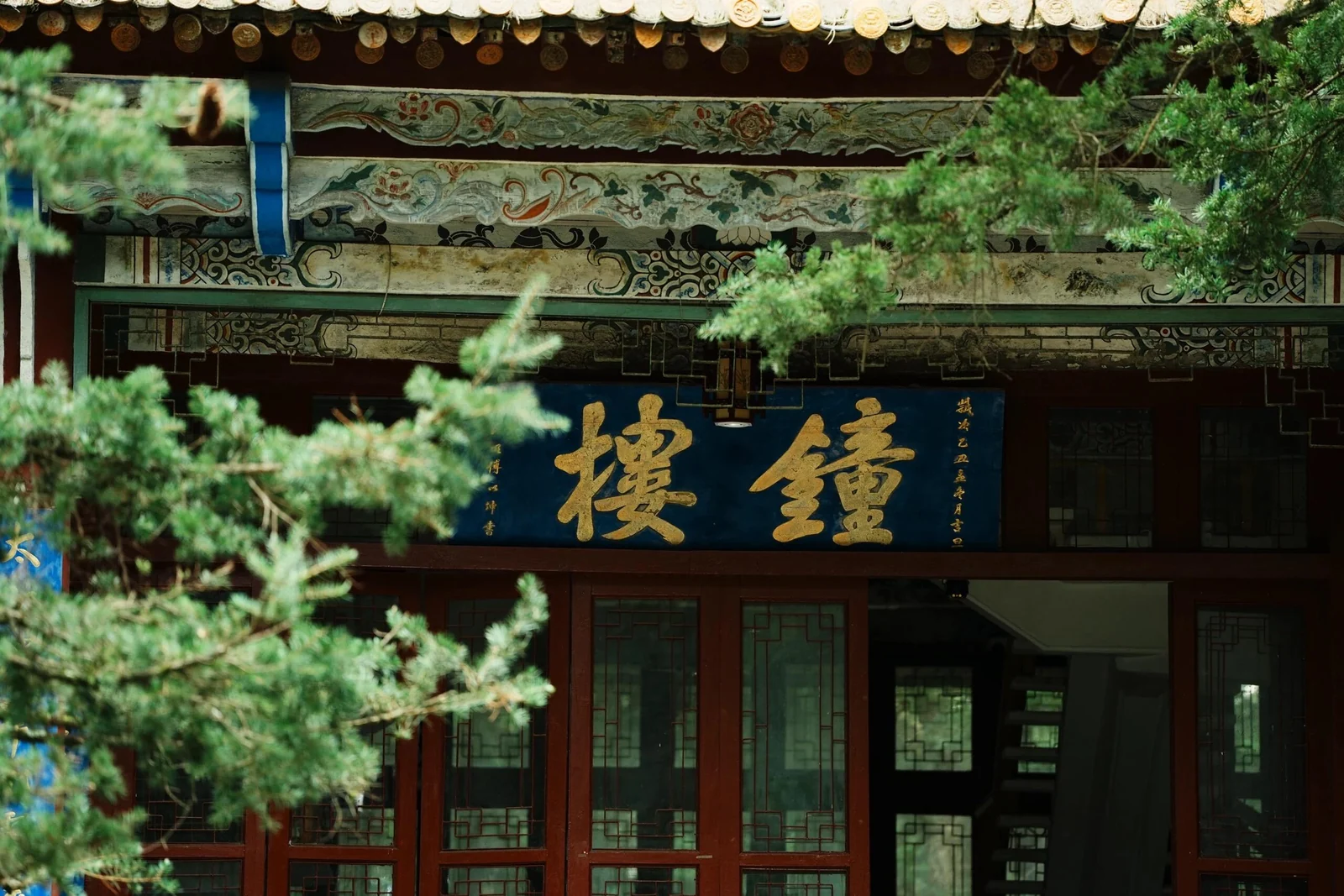
Kunming Jindian is located in the Mingfeng Mountain area in the northeast of the city. It is a cultural landscape famous for its copper palace architecture and mountain forest environment. The "gold" in the name is easily associated with gold. What is more worth understanding when actually visiting is the material, structure and craftsmanship of the copper-cast building. Entering along the mountain road, woods, steps, gatehouses and courtyards gradually unfold. The building is not an isolated exhibit, but forms a complete viewing process in the mountain and Taoist temple space.
The most fascinating detail of Jindian is how the metal is shaped to look like traditional architecture. Beams, columns, roofs and decorations take on the familiar form of wooden structures, but are realized using different materials. If you look closely, you can pay attention to the connections between the components, the surface patterns and the color left by time, and compare the visual differences between it and ordinary wooden temples. After understanding this, a visit is not just to see a famous temple, but also to understand the combination of ancient casting technology and architectural concepts.
The history here is related to the local society in Yunnan during the Ming and Qing Dynasties. The different stages of construction and character stories need to be distinguished through on-site exhibitions and formal explanations. Legends often heard during travel are not always equivalent to verifiable facts. It is appropriate to treat legends as part of cultural memory and pay attention to the evidence that the building itself can provide. The details of the inscriptions, layout and components are often better than dramatic stories in helping people form a solid historical understanding.
The trees of Mingfeng Mountain provide a soothing backdrop for the visit. Walking under the shade of the trees, the building is sometimes covered by branches and leaves, and sometimes appears completely at the corner. The space has layers from the outside to the inside. The flowers and trees in the park will also change color with the seasons. If there is a suitable flowering period, you can add a garden walk in addition to the cultural visit. Even if there is no flower display, the light and shadow between the tree trunks, stone steps and eaves are enough to form an attractive picture.
Jindian involves steps and ramps, so climbing, visiting and resting should be arranged alternately during the tour. If you are bringing elders or children, you can first determine the key areas and do not have to pursue all the branches. Keep quiet in the palace, abide by the shooting regulations, and do not touch or climb cultural relics. When taking photos, you can preserve buildings and trees at the same time to show their location in the mountains; detailed photography is suitable for observing the layers of patterns, doors, windows, and metal surfaces without relying on overly bright colors.
During the Kunming itinerary, Jindian can be combined with other gardens or urban cultural spaces in the northeast according to transportation, or it can be arranged independently for half a day of slow viewing. It is suitable for visitors who are interested in building craftsmanship, local history and mountain walks. When you look back at the temple before leaving, you will find that what is truly memorable is not just the "house made of copper", but how the materials, craftsmanship, religious space and natural environment jointly shape a Kunming landscape with a distinctive character.
Make this stop part of your journey
Share your travel dates and group size. Your travel adviser can work this place into a Yunnan itinerary that suits you.