


Yunnan · Southeastern Yunnan
Jianshui
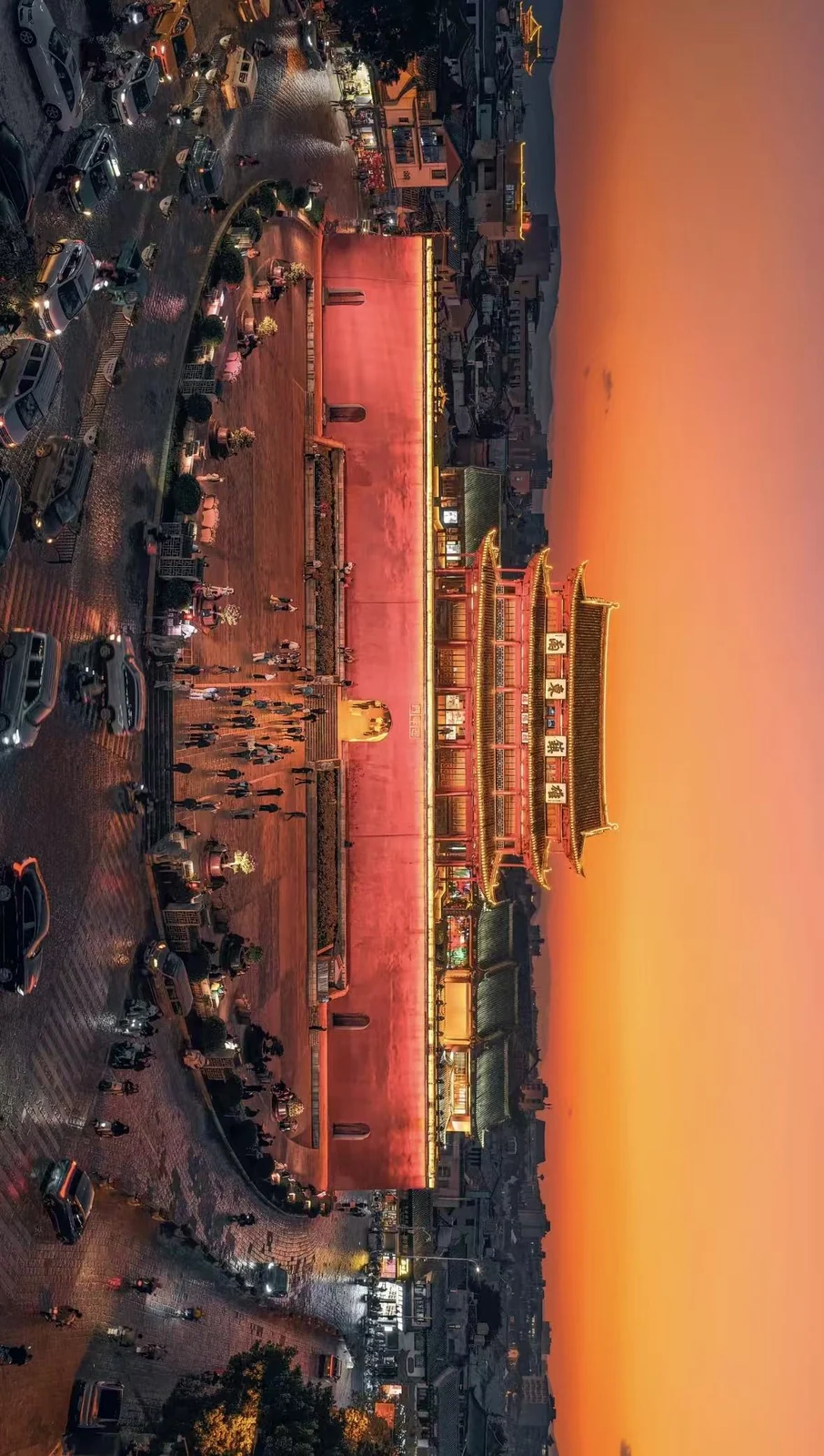
Jianshui is located in Honghe Prefecture, Yunnan. It is a city suitable for understanding architecture, food and daily life together. Chaoyang Tower, old streets, courtyards and ancient wells do not exist in isolation, but are connected by today's shops, residents and roads. The charm here is not maintained by a completely closed tourist street. Visitors can meet people buying food, eating breakfast and fetching water while seeing the historical monuments, and feel that history is still embedded in urban life.
Jianshui has a long history of city construction, and is especially rich in cultural and architectural relics left since the Ming and Qing Dynasties. Chaoyang Tower provides a starting point for understanding the space of the ancient city, while the Confucian Temple and Zhu Family Garden present different aspects of educational etiquette and residential gardens respectively. When visiting, you don’t have to regard all buildings as just “antique”. You can compare axes, courtyards, foyers and decorations to understand why there are differences in the layout of public cultural spaces and family residences.
When entering a courtyard such as the Zhu Family Garden, the transition between the patios, the woodwork under the eaves, and the proportions of doors and windows are worthy of a closer look; when entering the Confucian Temple, the spatial scale and etiquette order will change again. If accompanied by explanations, the architecture can be linked to local social, educational and commercial development. The streets and alleys of the ancient city provide another kind of observation: the facades of old shops, repaired walls and courtyard gates used daily show how buildings are maintained and changed in continuous life.
Jianshui diet is often a vivid part of the journey. The roasted tofu gradually rises on the charcoal fire, and the diners sit around and wait. They can learn about local life through taste and communication; rice noodles, steam pot dishes, etc. are also made in their own way. Rather than chasing an overly long list of famous restaurants, it’s better to have a serious meal at the right time and see how the food is made. The story of ancient wells and water allows people to further understand the relationship between food, residence and local resources.
The ancient city is suitable for walking, but the important attractions are located in different locations. The surrounding Shuanglong Bridge, Tuanshan Mountain, etc. should not be mistaken for being on the same street. You can divide the day into the streets of the ancient city, a key building and a local food experience, and other content will be arranged separately. You need to take appropriate breaks on the stone road and during hot periods. Ask residents before photographing them and entering the compound. For wells, doorways and shops that are still in use, space should be left for work and passage.
Jianshui is often connected to southeastern Yunnan destinations such as Fuxian and Yuanyang, but it is worthy of an overnight stay in itself rather than just a transit. The breakfast pavilion in the morning and the street lights in the evening will give the buildings you have seen during the day a different atmosphere. If time is limited, a walk around Chaoyang Tower, a courtyard and a local meal can form a first-level acquaintance. The most evocative thing about Jianshui is that history is not far away from the fireworks: the monuments are around you, and life continues.
Journeys that include this place
Fuxian Lake · Jianshui · Yuanyang · Mile
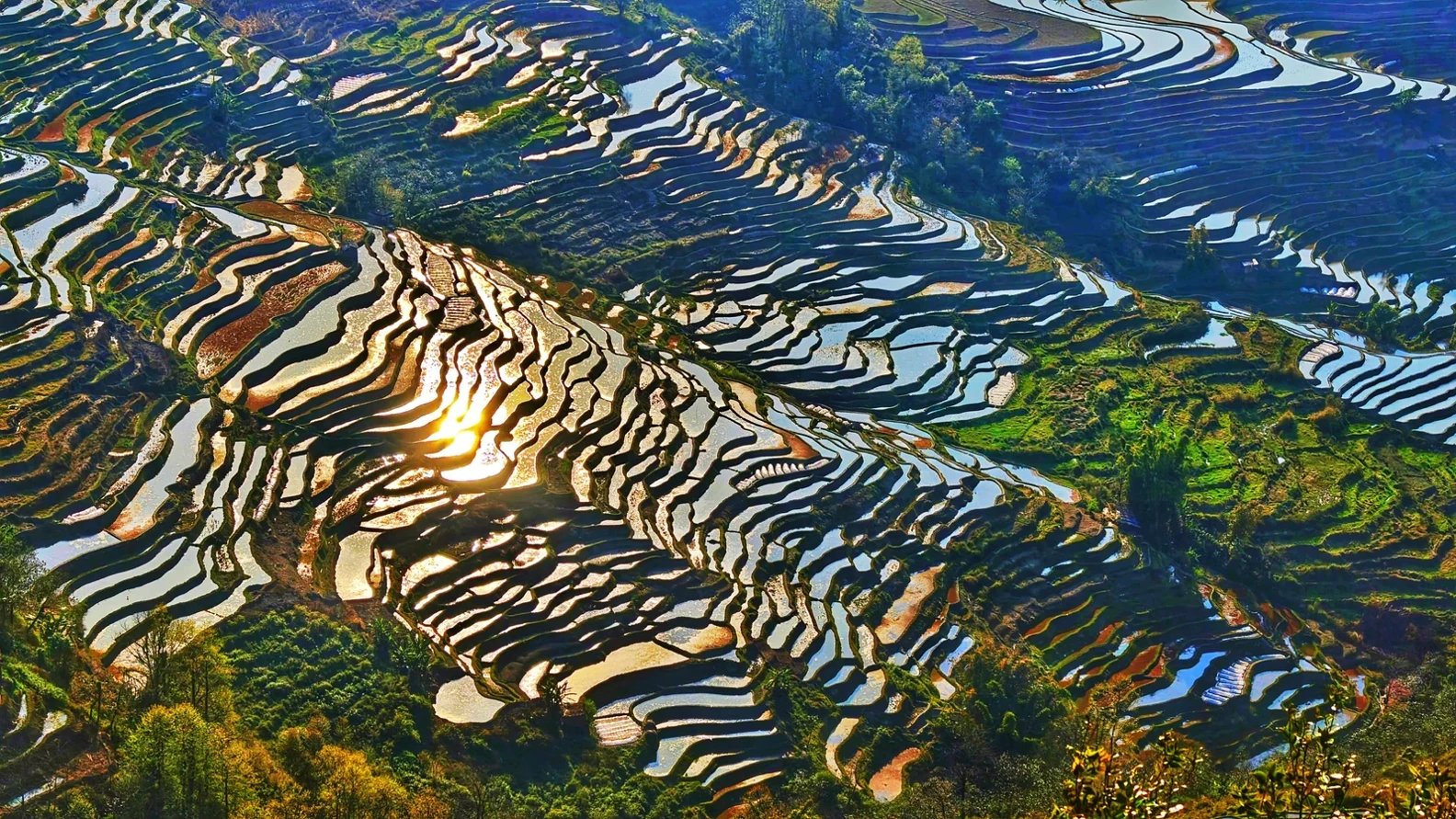
Walk the shores of Fuxian Lake and the lanes of Jianshui. Watch the light change on Yuanyang’s rice terraces, then travel via Mengzi’s old railway station to the brick courtyards of Mile.
View itinerary