


Yunnan · Lijiang
Shigu · First Bend of the Yangtze
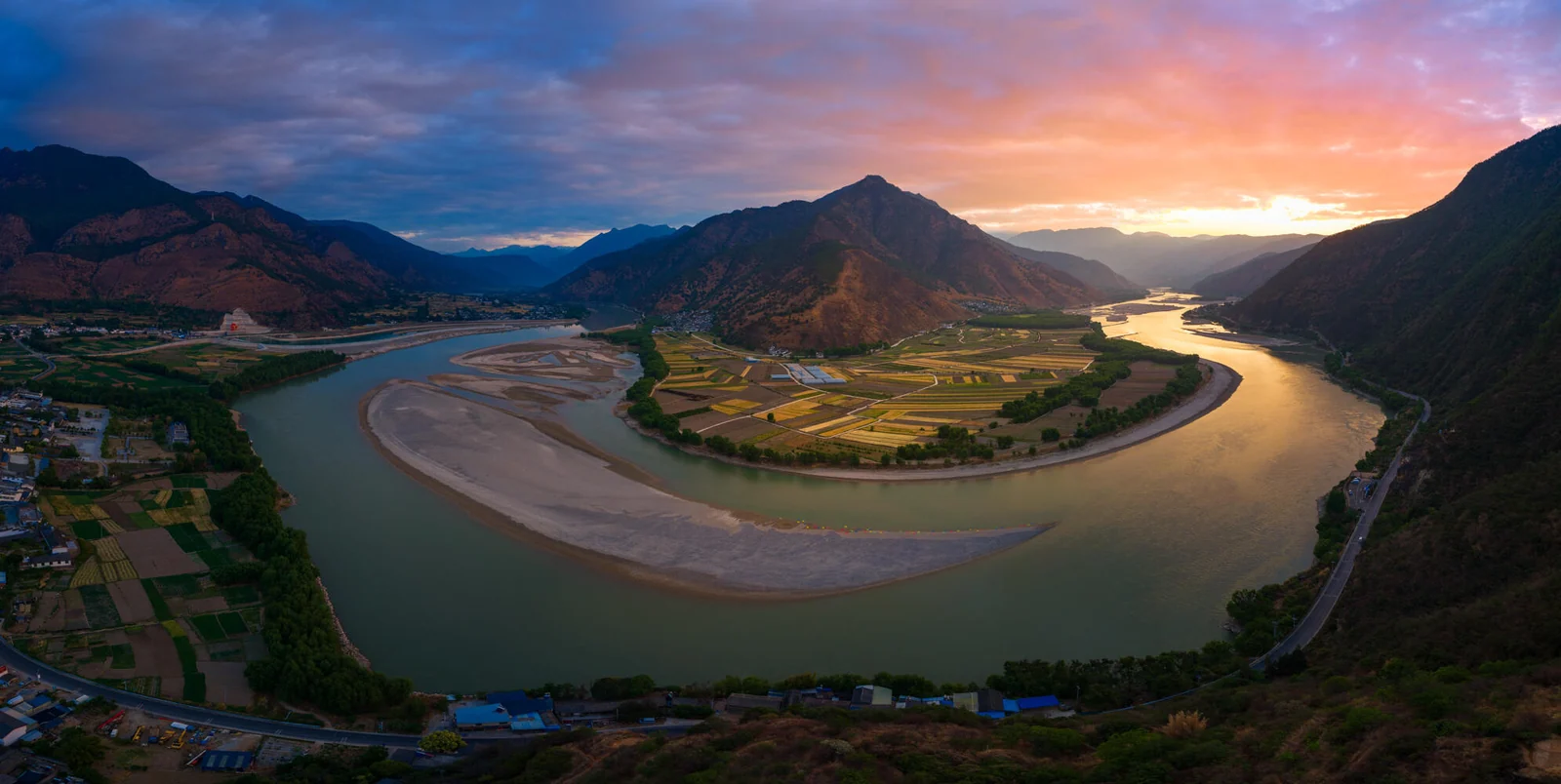
Shigu · First Bend of the Yangtze is located in the Shigu area of Lijiang, Yunnan, where the Jinsha River forms a dramatic U-turn, and the river, mountains and valley settlements together form an open landscape. It is not the same place as other famous river bays in the Nujiang and Lancang river basins, and it is especially necessary to distinguish it when planning transportation. What is worth seeing here is not only the curved shape of the river, but also how the river flows along the terrain, how the land on both sides is used, and how people build roads and living spaces between the mountains.
When appreciating Jiangwan, the viewing position will obviously affect the experience. From a higher legal viewing point, it is easier to identify the overall relationship between the river and the mountain; closer to the town street or riverside, you can better understand the scale of the water flow and life in the valley. Promotional photos are often taken from high altitudes or from aerial angles, and the exact same composition may not be visible on ordinary roads. When traveling, you should first understand the accessible observation areas, do not climb unopened hillsides in pursuit of photos of the entire bay, and do not treat the aerial photography perspective as a scene that all tourists can directly see.
The color of the river water and the shape of the river banks will change with the seasons, rainfall and light. When the amount of water is large, the force of the flow is more obvious; at other times, the sandbank and shoreline may present different levels. These changes are characteristic of the river itself and are not a "loss of color" in the landscape. Take a moment to observe the direction of the water flow, the contrast between the shoreline vegetation and the distant hillsides, and understand that the big turn is not an isolated pattern, but part of the long-term effect of the entire watershed and mountain topography.
Shigu Town adds humanistic content to Jiangwan. The name of the town, stone drums and related historical memories connect the physical geography with local society; the roads, streets and residents' activities along the river bring these histories back to the real space. If you are interested in transportation, commerce, or content related to the Red Army’s Long March, you can combine formal exhibitions and explanations to understand the specific background. Don't just stop at a viewpoint to take photos and leave, walking along an open street and understanding the relationship between the town and the river usually makes the stop more complete.
This place is often arranged on the way between Lijiang and surrounding mountain routes, but actual time should still be allowed for stops along the way. The distance, parking location, scenic walks and meals all need to be considered separately. One point on the map cannot be equated with getting off the car and completing the trip. When viewing on the riverside, keep a distance from the rapids, do not enter unopened river beaches, and do not stop and take pictures at corners of the road. When bringing elders and children, it is more appropriate to choose a viewing position that is stable, safe and easy to get to and from, rather than pursuing a higher seat.
Shigu · First Bend of the Yangtze can form a natural and historical stop with Shigu Town, and then connect to Tiger Leaping Gorge or other locations according to the overall route, but their viewing methods and transportation arrangements are different. The most powerful image of this place is that of the river changing direction among the mountains, but still continuing to move forward. Standing on the shore or observing from a high place, taking into account the water flow, villages, towns and mountains, you can understand why a river bay is not only a mark on a road trip, but also a geography lesson that can be viewed directly.
Journeys that include this place
Kunming · Dali · Lijiang · Shangri-La
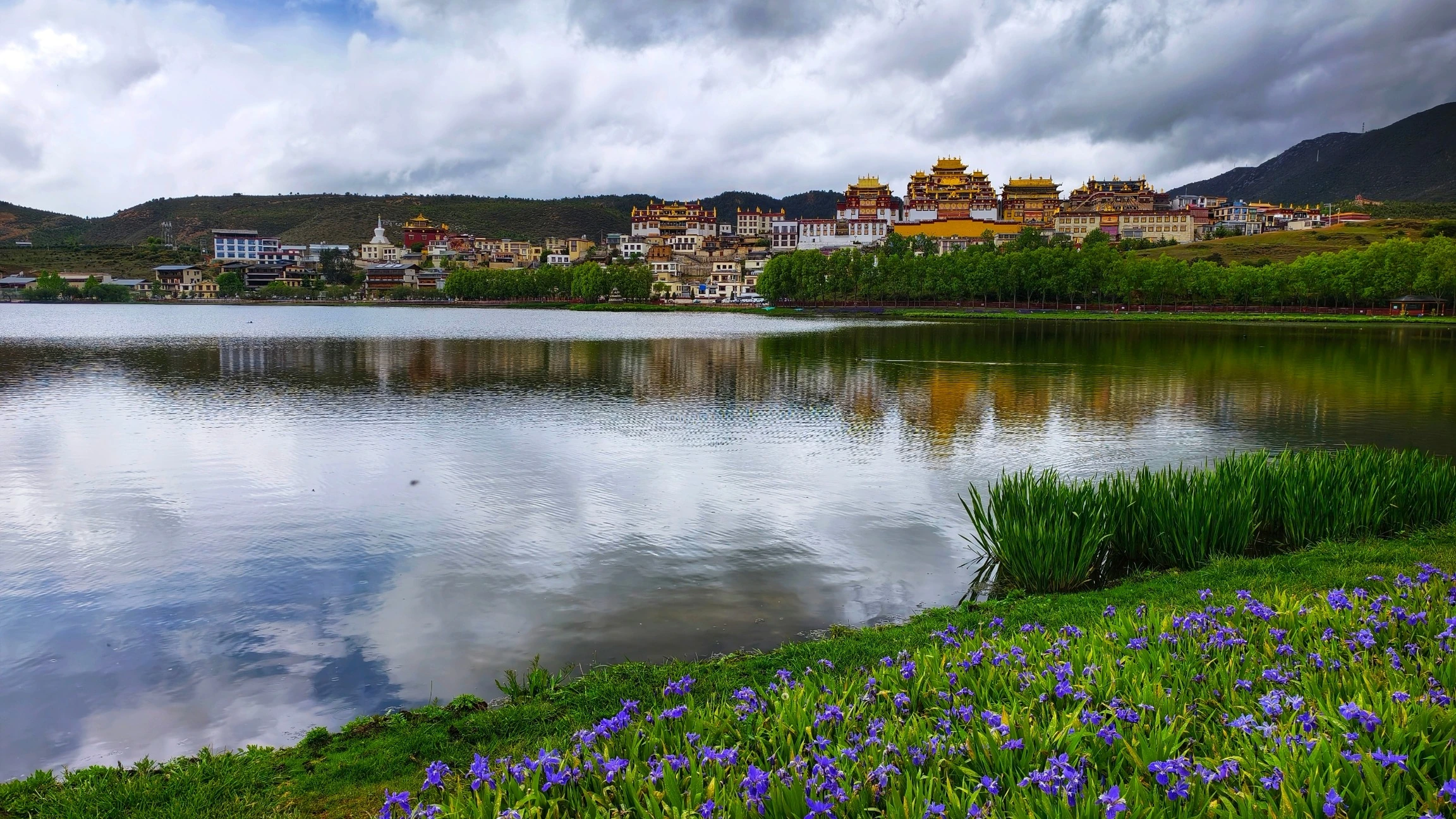
Starting from Erhai Lake and the ancient city, we enter Shangri-La via Tiger Leaping Gorge, and experience the other side of the plateau at Dukezong and Pudacuo.
View itinerary
Kunming · Dali · Lijiang · Shangri-La · Lugu Lake
Nine days connect two kinds of scenery: first walk into the canyons and forests of Shangri-La, then stay overnight at Lugu Lake, and return to Lijiang to see the snow-capped mountains.
View itinerary