


Yunnan · Lijiang
Baisha
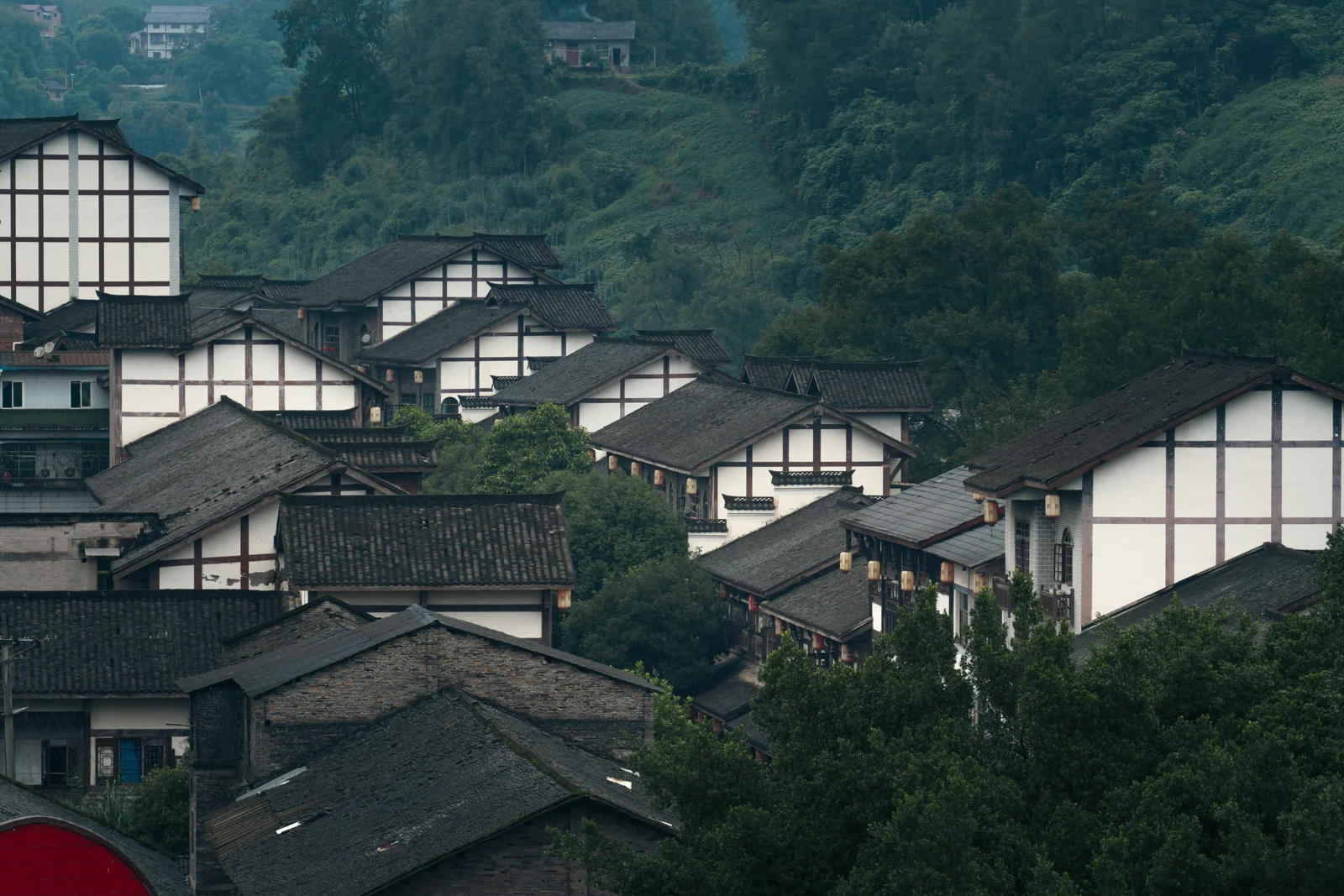
Baisha is located at the foothills of Yulong Mountain in the north of Lijiang. It is an important place to understand Naxi culture. Compared with Lijiang Dayan Ancient Town, the streets here are smaller and the peaks are easier to see at the end of the streets. Low houses, courtyards, vegetable fields and distant snow-capped mountains form a simple and clear hierarchy. When you go to Baisha, you don't have to rush to find dense tourist attractions. You can walk along the main street for a while and then turn into the alley that allows traffic to feel the rhythm of life in the settlement at the foot of the mountain.
Baisha once occupied an important position in Lijiang's local history, and the murals in the ancient town are particularly worthy of careful viewing. Different religions and artistic traditions leave traces of exchanges in the murals, making them clues to understanding regional cultural exchanges. When visiting, you can cooperate with the explanation and pay attention to the relationship between characters, composition and color, instead of judging the value just by whether the picture is bright or not. Murals are cultural relics that need to be protected, and photography, lighting, and visiting methods must comply with on-site regulations.
The architecture of the ancient town has a natural connection with the mountain environment. Gray tile roofs extend along the street, and the changes in light inside and outside the courtyard gate bring out the texture of the woodwork and stone walls. When looking at Yulong from a distance, you can use the eaves, branches or streets as the foreground to see the scale between the living space and the mountain. When the weather is clear, the mountain peaks have sharp outlines, and when clouds and fog appear, there is another soft atmosphere. Therefore, the experience of white sand does not have to rely entirely on a certain "snow mountain camera".
Today, Baisha also has cafes, restaurants, handicraft shops and art spaces. New business formats co-exist with traditional residences, making it suitable to intersperse a sit-down break during walking. If you want to learn about Dongba culture, Naxi music or local crafts, you can choose an experience with clear content introduction. First, ask who will explain and what they will do. Building cultural understanding on specific people and works creates better memories than just buying souvenirs with ethnic patterns.
When visiting Pasir Ris, it’s best to give some time to the streets themselves. Observe how residents use the small open space in front of the courtyard, listen to the conversations between shops and pedestrians, and see how the sunlight moves along the eaves. These details are often more memorable than a standard photo. Some courtyards are still private residences, so please do not enter at will; ask for permission before photographing locals. The road is not wide, so you should leave space for traffic when stopping and taking photos to avoid turning the living streets into a blocked shooting background.
Baisha is suitable to be combined with Yuhu Village or snow mountain itinerary according to physical strength and transportation during the stay in Lijiang. However, mural tours, village walks and high-altitude snow mountain tours each require time and should not be simply piled on the same day. If you only have half a day, you can see a cultural exhibition, walk a few lanes, and have a meal or a cup of tea. The value of Baisha lies in allowing people to return to the human scale from the majestic snow-capped mountain scenery and see how Naxi culture remains in the streets and daily life.
Make this stop part of your journey
Share your travel dates and group size. Your travel adviser can work this place into a Yunnan itinerary that suits you.